

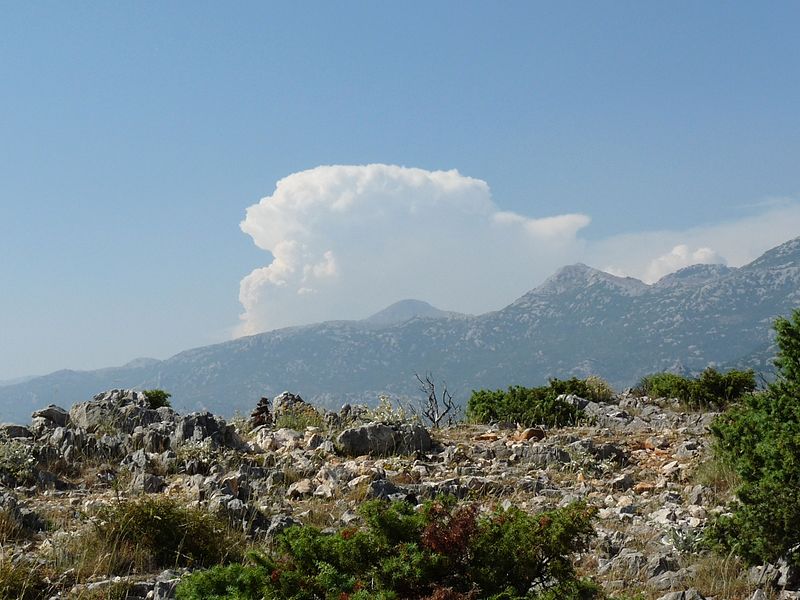
The Velebit Mountain Range, part of the Dinaric Alps, stretches along the Adriatic coast of Croatia and is one of the most significant natural landmarks in the Balkans.
the Velebit range is a treasure trove for nature enthusiasts and scientists alike which is known for its stunning landscapes, various habitats, and rich biodiversity.
Spanning over 145 kilometers, it is home to various ecosystems, from lush forests and alpine meadows to karst landscapes and underground cave systems.
Want to know more about this and why it is important to recognize it? Follow through.
What’s Interesting About Velebit Mountain Range?
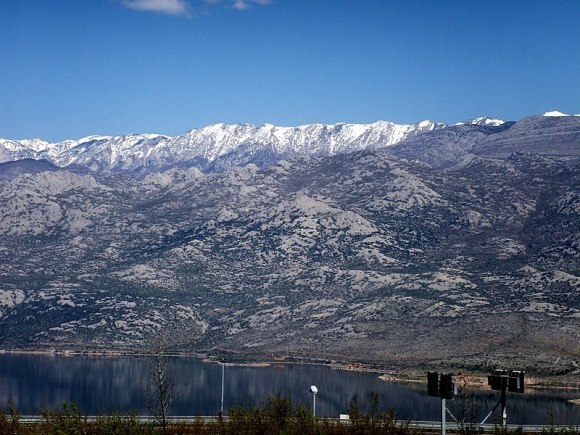
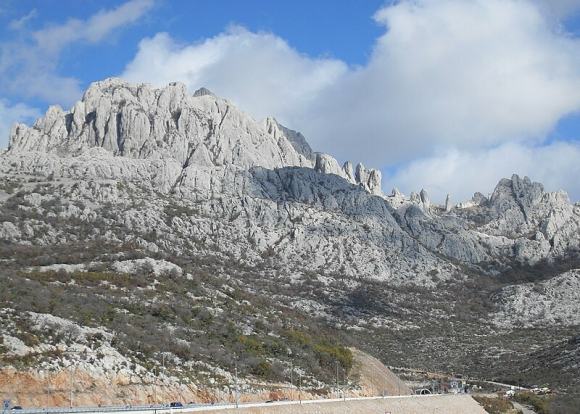
The Velebit Mountain Range is characterized by its dramatic karst topography, that includes limestone peaks, sinkholes, caves, and underground rivers. This rugged landscape is a result of millions of years of geological activity, including the uplift of tectonic plates and the dissolution of soluble rocks by water.
One of the most notable geological features of the Velebit range is the Velebit Karst, an extensive area of bare limestone rock formations. These karst landscapes are shaped by the action of water on soluble rocks, that creates interesting features such as dolines (sinkholes), uvalas (valley-like depressions), and poljes (large flat-floored depressions).
The karst terrain is also riddled with caves, some of that are among the deepest in Europe, offering a fascinating glimpse into the subterranean world.
The Velebit range is also home to the Paklenica and Northern Velebit National Parks, that protect significant portions of this interesting environment. These parks are renowned for their dramatic cliffs, deep canyons, and rich biodiversity, making them popular destinations for hikers, climbers, and nature lovers.
Velebit Mountain Range is a Biodiversity Hotspot
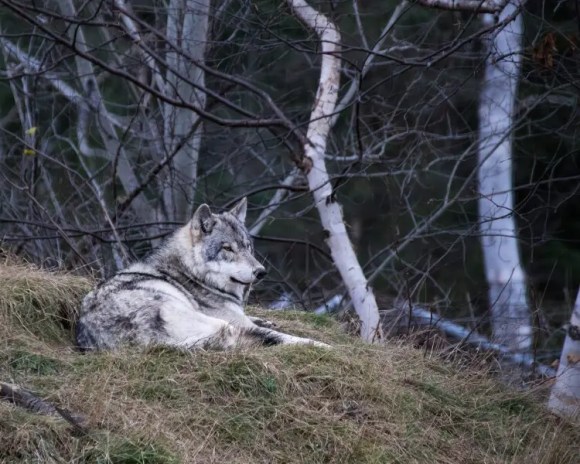
The Velebit Mountain Range is a biodiversity hotspot, supporting a wide range of flora and fauna. Its various habitats, from Mediterranean forests and alpine meadows to karst plateaus, provide ideal conditions for numerous species, many of that are endemic to the region.
Flora
The Velebit range boasts over 2,700 plant species, with a high degree of endemism. Some of the interesting plant species found here include the Velebit degenia (Degenia velebitica), a rare and endemic flower that grows only in the limestone crevices of Velebit, and the Velebit bellflower (Edraianthus graminifolius), that is known for its delicate, grass-like leaves and striking blue flowers.
The lower slopes of the Velebit range are covered in Mediterranean forests, dominated by species such as holm oak, Aleppo pine, and various types of shrubs. As one ascends, these forests give way to mixed deciduous forests of beech, oak, and hornbeam, and further up to coniferous forests of fir and spruce.
The alpine meadows at higher elevations are home to a variety of grasses and herbaceous plants, creating a colorful tapestry during the blooming season.
Fauna
The Velebit range is equally rich in animal life, providing habitat for many iconic and endangered species. Large mammals such as brown bears, wolves, and lynxes roam the forests and alpine meadows, benefiting from the relatively undisturbed wilderness. The region is also home to chamois and red deer, that can often be seen grazing in the meadows.
Birdlife in the Velebit range is abundant, with species such as the golden eagle, peregrine falcon, and Eurasian eagle-owl soaring above the peaks. The various habitats also support a variety of smaller birds, including woodpeckers, owls, and songbirds.
The karst caves and underground rivers of the Velebit range harbor interesting subterranean fauna, including the olm (Proteus anguinus), a blind salamander that is adapted to life in total darkness. These underground habitats are also home to various species of bats, that use the caves as roosting and breeding sites.
Velebit Mountain Range and the Balance
The Velebit Mountain Range plays a crucial role in maintaining ecological balance and supporting biodiversity in the region. Its various habitats provide refuge for numerous species, many of that are rare or endangered.
The range also acts as a natural corridor for wildlife, allowing for the movement and migration of animals between different parts of the Balkans.
The forests of the Velebit range are important for carbon sequestration, helping to mitigate climate change by absorbing carbon dioxide from the atmosphere. They also play a key role in regulating the local climate, influencing temperature and precipitation patterns.
The water systems of the Velebit range, including its underground rivers and karst springs, are important for maintaining the hydrological balance of the region. These water sources provide clean drinking water for local communities and support agriculture and industry in the surrounding areas.
Human Influence and Conservation
Human activities have shaped the Velebit range for centuries, from traditional pastoralism and forestry to modern tourism and recreation. While these activities have had both positive and negative impacts on the environment, efforts are being made to ensure the sustainable use and conservation of the Velebit’s natural resources.
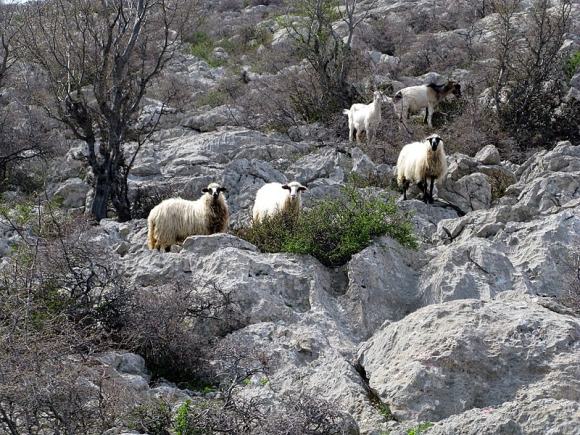
Traditional pastoralism, involving the seasonal movement of livestock between highland and lowland pastures, has helped maintain the open meadows and prevent forest encroachment. This practice supports biodiversity by saving habitats for various plant and animal species.
Tourism is a significant economic activity in the Velebit range, attracting visitors from around the world to its national parks and natural attractions.
Sustainable tourism practices are being promoted to minimize the impact on the environment, including the development of eco-friendly infrastructure, the regulation of visitor numbers, and the education of tourists about the importance of conservation.
Conservation efforts in the Velebit range are focused on protecting its interesting habitats and species, maintaining the integrity of its ecosystems, and promoting sustainable land-use practices.
The establishment of national parks and protected areas has been a key strategy in conserving the region’s natural heritage. Additionally, research and monitoring programs are being conducted to improve our understanding of the Velebit’s biodiversity and inform conservation strategies.
Cultural Significance
The Velebit Mountain Range holds significant cultural value for the local communities that have lived in harmony with its natural environment for generations.
The traditional knowledge and practices of these communities are integral to the sustainable management and conservation of the Velebit’s natural resources.
The range is also steeped in folklore and legend, with numerous stories and myths associated with its peaks, forests, and caves. These cultural narratives reflect the deep connection between the people and the land, highlighting the importance of the Velebit range as a source of inspiration and identity.
Sources:
Leave a Reply