

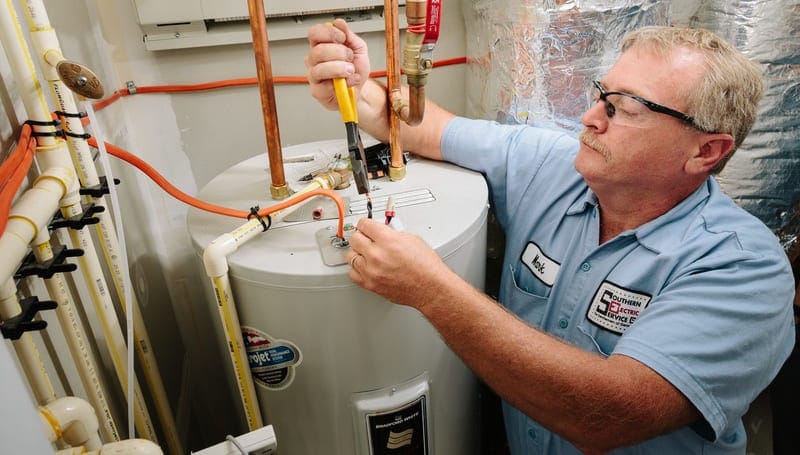
When it’s time to replace or install a new water heater, you might notice a wide range in prices. Some models are more affordable, while others can be quite expensive. The key reasons for this price difference lie in the type of water heater and its energy efficiency.
Each type comes with unique features and benefits, which influence the cost. Choosing the right water heater involves more than just the upfront price. Factors like long term energy savings and installation requirements also play a big role.
How Many Types of Water Heaters
Water heaters come in various types, each with unique designs, features, and price ranges. From basic storage tanks to advanced tankless systems, the type you choose significantly impacts both the initial cost and long term efficiency. Here are the most common ones:
1. Storage Tank Water Heaters
Storage tank water heaters are the most common and traditional option for heating water. They store hot water in a large tank, ensuring a steady supply whenever needed, but this can lead to higher energy usage due to constant reheating.

2. Tankless Water Heaters
Tankless water heaters, or on demand heaters, provide hot water only when needed, eliminating the need for a storage tank. This design offers energy efficiency and an endless hot water supply but typically comes with a higher upfront cost.
3. Heat Pump Water Heaters
Heat pump water heaters are extremely energy efficient, using electricity to transfer heat from the air or ground to warm your water. While they have higher upfront costs, their energy saving technology can significantly reduce long term utility bills.
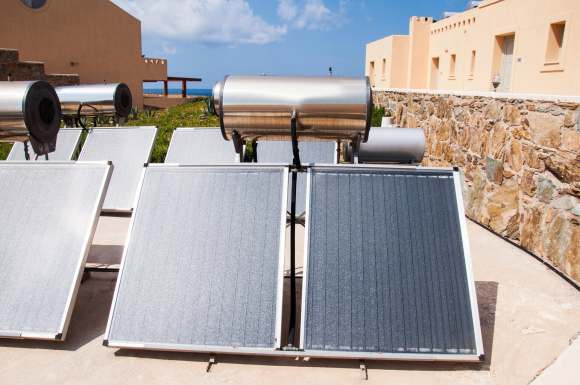
4. Solar Water Heaters
Solar water heaters harness the power of sunlight, making them an eco friendly option. They help reduce reliance on electricity or gas, lowering energy bills over time, though their installation costs can be significantly higher than other types.
5. Condensing Water Heaters
Condensing water heaters are a great choice for homes with natural gas. They use the heat from gas exhaust to efficiently warm water, which helps reduce energy consumption. While they may have a higher initial cost, they offer long term energy savings.

What is Efficiency and Its Impact on Water Heater Costs
Efficiency is a key factor in determining the cost of a water heater. In Indianapolis, the water heater cost varies greatly depending on efficiency. Residents can minimize expenses by prioritizing energy efficient models, leading to lower operating costs over time. Investing in efficiency now leads to lower operating costs over the heater’s lifespan.
Energy efficient models typically come with a higher upfront price, but they offer substantial benefits. According to the U.S. Department of Energy, energy efficient water heaters can reduce energy bills by 10 to 20% annually. Over the heater’s 10 to 15 year lifespan, this translates to significant savings, up to $500 or more.
Energy Factor (EF) and Uniform Energy Factor (UEF)
Energy Factor (EF) and Uniform Energy Factor (UEF) ratings measure how efficiently a water heater converts energy into heat. A higher EF or UEF indicates better efficiency, meaning the water heater will use less energy to produce hot water. Standard efficiency models typically cost less but consume more energy, resulting in higher monthly utility bills.
Water heaters with better insulation help reduce standby heat loss, meaning the water stays hot longer without using extra energy. Although these models may have a higher purchase price, the added insulation significantly lowers operating costs over time.
What are the Factors That Affect Installation Costs
The cost of the water heater itself isn’t the only expense to consider. Installation costs can vary based on several factors:
- Type of Water Heater
For instance, tankless water heaters often require additional work, like installing new pipes or upgrading electrical systems, which increases installation costs.
- Size and Capacity
A larger tank or higher capacity unit typically costs more to install due to the extra work involved.
- Energy Source
Gas water heaters may require venting systems, while electric ones may need upgraded courses.
- Labor Rates in Your Area
The cost of professional installation varies depending on where you live. Urban areas often have higher labor costs than rural areas.

What are the Tips to Save Money When Buying a Water Heater
To save money when purchasing a water heater, consider these actionable tips. Even if a high efficiency model costs more initially, it can save you hundreds of dollars in energy bills over its lifespan. Choose the right size for your needs don’t overspend on a larger unit than necessary, such as a 40 gallon tank for a family of four.
Look for rebates or tax credits available for energy efficient models, and compare prices from different retailers and installers to find the best deal. Plan and replace your water heater before it fails to avoid emergency installation costs.
FAQs
- Why are tankless water heaters more expensive than storage tank models?
Tankless water heaters cost more upfront because they use advanced technology to heat water on demand. However, they save energy and last longer, which makes them a good investment over time.
- Does a high efficiency water heater save money?
Yes, high efficiency water heaters use less energy, leading to lower utility bills. Over time, the savings can offset the higher purchase price.
- What is the cheapest type of water heater to install?
Storage tank water heaters are usually the cheapest to install because they have simpler designs and don’t require additional upgrades to your home’s systems.
Conclusion
Choosing the right water heater doesn’t have to be a stressful process. By comprehending how water heater costs vary by type and efficiency, you can confidently make a decision that aligns with both your needs and your budget. Whether you’re looking for a simple, cost effective model or considering an energy efficient option, knowing your options will help you choose wisely.
The key is finding the right balance between upfront costs and long term savings. A more efficient model might cost more initially, but the energy savings over time can make it a smarter investment.
Leave a Reply