


Birds are dying by the billions, and your home might be part of the problem. In the United States alone, up to one billion birds crash into windows every year, many fatally. If you haven’t made your house bird-friendly, it’s likely contributing to this crisis.
But don’t worry, we’ve got practical ways to protect our feathered friends. From tweaking your windows to dimming your lights and keeping cats indoors, you can make a big difference.
Let’s talk about why birds are hitting your windows, why it matters, and steps to make your home safer for birds..
Why Birds Crash Into Windows

Birds don’t see glass the way we do. When they spot a reflection of trees or sky in a window, they think it’s a clear path and fly straight into it at full speed. Sometimes, they’re trying to reach indoor plants or another window they see through the glass.
These collisions often cause severe head trauma or internal injuries, killing birds instantly or leaving them stunned and vulnerable to predators like cats. Even if a bird flies away after hitting a window, studies show up to 74% may die later from their injuries if not treated by a wildlife rehabilitator.
This isn’t just a big-city problem with towering skyscrapers. A 2014 study found that 44% of bird deaths from window collisions happen at homes (one to three stories), 56% at low-rise buildings (four to 11 stories), and less than 1% at high-rises (12 stories or more).
While each house might only kill a few birds a year, say, five, the sheer number of homes (about 142 million in the U.S.) adds up to a staggering toll, potentially over 700 million birds annually. That sparrow or wren that hit your kitchen window? It’s part of a massive, often overlooked issue.
Birds are vital to our ecosystems. They eat hundreds of millions of tons of insects each year, saving farmers billions in pest control. They spread seeds, helping forests grow, and clean up waste as scavengers.
A 2019 study revealed that North America has lost nearly 3 billion birds since 1970, a 29% drop, signaling a broader ecological crisis. Every bird lost to a window collision weakens these natural systems we all depend on.
Make Your Windows Bird-Safe]

The good news? You can make your windows less deadly for birds with some simple fixes. The goal is to break up reflections or signal to birds that the glass is a barrier. Here are a few ways to do it that won’t block your view or break the bank.
One option is to apply a grid of dots or decals on the outside of your windows, spaced no more than two inches apart. Products like Feather Friendly decals are easy to stick on and highly effective.
You can even paint your own dots with tempera paint, which washes off when you don’t need it, like outside of migration seasons. For example, a grid of small white dots across your living room window can stop a bird from mistaking it for open sky.
Another idea is using stripes or cords. Acopian BirdSavers are cords that hang in front of your window, creating a visual barrier. You can buy them or make your own with string or paracord, keeping the lines two inches apart.
ABC BirdTape is another simple, affordable option you can apply yourself. These solutions are subtle but effective, letting you enjoy your view while saving birds.
Screens are a great double-duty fix. They keep insects out and act as a soft barrier for birds, reducing the impact of collisions. If you don’t want to fuss with decals or cords, try leaving your windows dirty or coating them with a thin layer of soap.
Dirty windows don’t reflect as much, making them less attractive to birds. It’s a low-effort trick that works surprisingly well.
If you have bird feeders or native plants, you’re likely drawing birds to your yard, which makes it even more critical to treat your windows.
Feeders should be placed either within three feet of a window (so birds can’t build up deadly speed) or beyond 30 feet to keep them out of collision range. But no matter where your feeder is, untreated windows remain a risk, so combining these placement tips with window treatments is the best approach.
Dim Your Lights During Migration Seasons
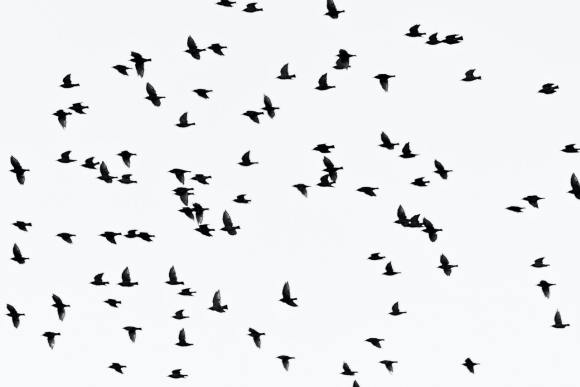
Birds, especially migratory ones, travel at night using stars, the moon, and other natural cues to navigate. Artificial lights from homes confuse them, pulling them off course and draining their energy. This disorientation often leads to window collisions at dawn when exhausted birds mistake reflections for safe landing spots.
You can help by dimming or turning off your lights during peak migration seasons, spring (mid-April to mid-May) and fall (late August to mid-November). Tools like the Cornell Lab of Ornithology’s BirdCast can show you when birds are migrating near you.
Focus on exterior lights, especially floodlights that shine upward or light up large areas. Adding motion sensors ensures lights only turn on when needed, cutting down on light pollution without sacrificing safety.
For example, swapping a bright porch light for a motion-activated one reduces confusion for birds while still lighting your walkway. Inside, dimming lights or closing curtains at night also helps by reducing reflections that attract birds to windows.
This small change makes a big difference. By cutting light pollution, you help birds stay on course and save energy for their long journeys. It’s an easy way to make your home safer for wildlife without changing your daily routine.
Keep Cats Indoors for Bird Safety
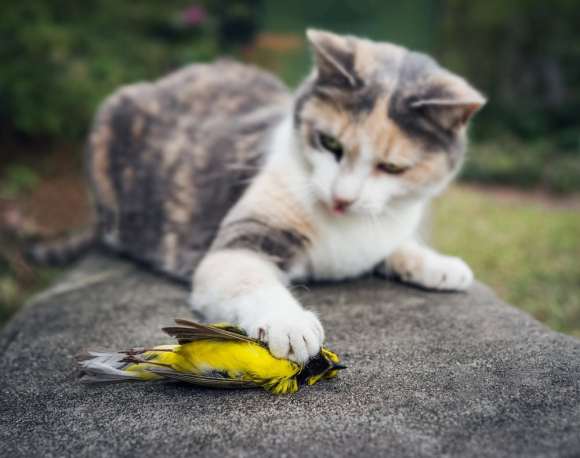
Outdoor cats are a massive threat to birds, killing up to three billion annually in the U.S., more than window collisions. A single roaming cat can wipe out local bird populations, especially stunned birds recovering from a window hit.
Keeping your cat indoors isn’t just good for birds, it’s better for your pet too. Indoor cats live longer, avoiding dangers like cars, predators, or poisons meant for pests. If you want your cat to enjoy the outdoors, try a catio, a screened outdoor space, or a harness for supervised walks.
These options let your cat explore safely while protecting birds. For example, a small catio in your backyard can give your pet fresh air without letting it hunt sparrows or robins. Making this switch is a win-win for your cat’s health and the survival of local wildlife.
What to Do If You Find an Injured Bird
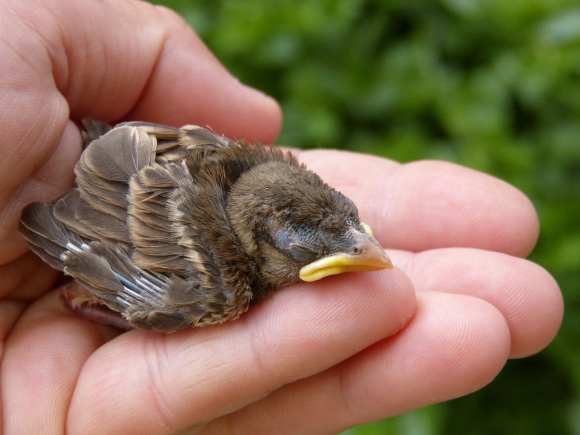
If you spot a bird near a window that doesn’t fly away, it’s likely hurt or stunned. Signs of distress include hunching, squinting, panting, or tilting its head upward. Even if it seems okay and flies off, many birds die later from internal injuries.
The best thing you can do is get it to a licensed wildlife rehabilitator quickly. Use Animal Help Now’s website to find one near you. Gently place the bird in a brown paper bag or a covered box with air holes, secured with a clip.
Don’t offer food or water, and avoid handling or talking to it, this adds stress. Speed and quiet are key to giving the bird a fighting chance.
Sources:
Leave a Reply