

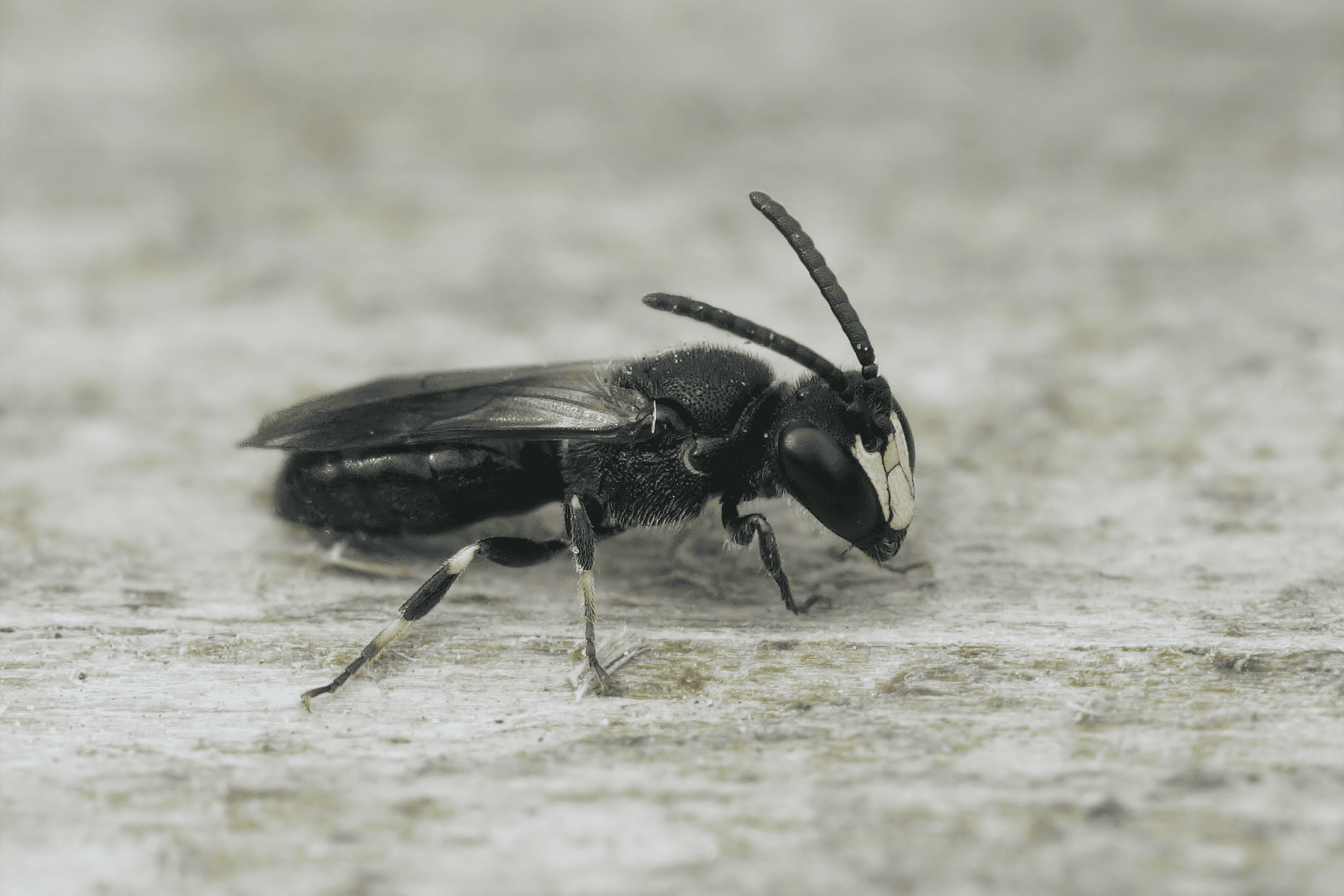
Don’t you know that not only human can stay in a hotel? We also have bee hotel now. Well, they might not come in taxy and bring suitcases to check in, but they surely love to stay in bee hotels.
You know, when we think about our gardens, we usually think about how pretty they look, all the bright flowers and green plants. But there’s a whole secret world of life going on beneath that beauty, a delicate balance where tiny helpers called pollinators are super important.
We often hear about honeybees and fluffy bumblebees, but there’s a huge group of quiet workers that most people don’t notice which is called solitary bees.
If you simply put a “bee hotel” in your garden, you’ll discover amazing benefits that go way beyond just making your garden look good. You’ll make your local environment healthier, help your plants grow better, and get a special chance to watch nature’s wonders.
Here in this article, we are going to talk further about this topic.
Solitary Bees Are Super Pollinators

While honeybees are definitely important for pollination, solitary bees are often incredibly good at pollinating on their own. Honeybees collect pollen to take back to their hive to feed their whole family.
But female solitary bees gather pollen only for their own baby bees in their individual nests. This focused way of collecting pollen often means they do a much better job of moving pollen from one flower to another.
Think about the red mason bee, which often visits bee hotels. Studies have shown that just one red mason bee can pollinate as well as many honeybees for certain fruit plants. Their fuzzy bodies and special ways of looking for food make them great at moving pollen. This means you could get more fruits and seeds in your garden.
By giving these hard-working bees places to nest, you directly help your flowers, vegetables, and fruit trees get pollinated, which can lead to bigger harvests and more beautiful blooms. This extra pollination doesn’t just help your garden, it also makes all the plants around you healthier and more productive.
Bee Hotel?
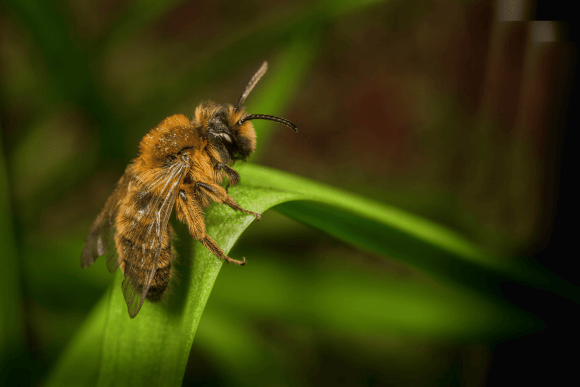
Yes. When people talk about saving bees, they usually focus on honeybees, which face problems like losing their homes and getting sick. But in places like the UK, there are over 250 different kinds of native solitary bees, and they are also struggling.
Losing their natural homes, having fewer wildflower meadows, and the widespread use of bug sprays (pesticides) have all caused their numbers to drop. And we all know that it has now gained massive uproar because more and more people start to understand about the importance of bees.
Here comes the solution. By putting up a bee hotel, you are actively helping to protect these important but often ignored pollinators. You give them a crucial place to build their nests, especially since natural holes and spaces are becoming harder for them to find.
This small action can create a safe spot in your area, supporting many different types of solitary bees that might otherwise struggle to find homes. A busy bee hotel can attract all sorts of interesting visitors, from the fuzzy red mason bee to the delicate leafcutter bee.
Each one has its own special way of building nests and likes different kinds of pollen. Having more different types of bees in your garden not only makes your local environment stronger but also creates a more balanced space that’s less likely to have problems with pests or diseases.
No Stings Attached
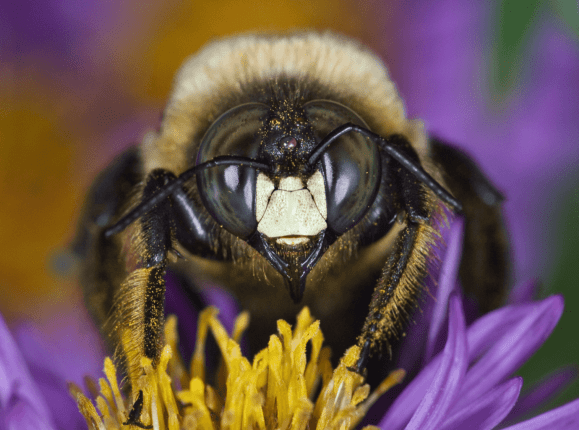
One common worry people have about attracting bees to their garden is getting stung. However, solitary bees are much less aggressive than honeybees or wasps. Unlike honeybees and wasps, solitary bees don’t have a whole group to protect, they are only focused on building their own individual nests.
Male solitary bees don’t even have stingers at all. And female solitary bees will usually only sting if you pick them up or make them feel very scared. Even then, their sting is usually much milder than a honeybee or wasp sting.
So, a bee hotel offers a wonderful chance to watch bees up close without the usual worries about stings. You can see them busily working, carefully cleaning their nest holes, diligently collecting pollen and nectar, and carefully sealing up their little homes for their babies.
You can watch them with a sense of wonder and safety. This peaceful way of living together allows families, including children, to connect with nature in a meaningful way. It helps them understand and appreciate the vital role these gentle pollinators play in our world.
The Nature in Bee Hotel
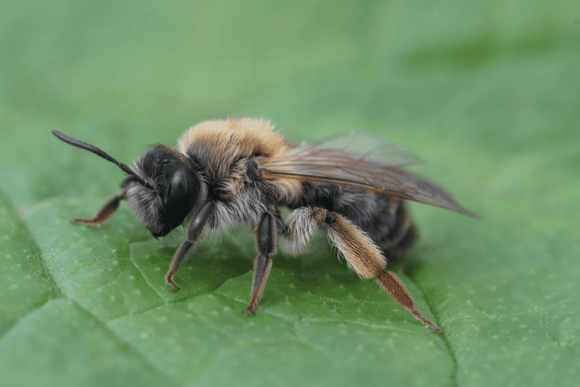
Besides all the real-world benefits for the environment, a bee hotel is also a living learning tool. It gives you a fascinating peek into the complex world of insects. Watching solitary bees come and go offers a unique chance to learn about their different nesting habits, the specific pollens they prefer, and their amazing life cycles.
Seeing a leafcutter bee carefully carrying a perfectly cut piece of leaf to line its nest, or watching a female mason bee diligently pack pollen into a tube, offers a hands-on lesson about nature that no book can truly give you.
A bee hotel can spark curiosity and encourage a deeper connection with the natural world. It can help people, especially younger generations, feel more responsible for protecting nature and the environment.
It turns your garden into an outdoor classroom where the wonders of nature happen every day. Simply putting up a bee hotel is much more than just adding something pretty to your garden. It’s an investment in a healthy environment, a way to boost the variety of life around you, a chance to live peacefully with fascinating creatures, and an amazing opportunity to learn.
By giving solitary bees a safe home, you actively help create a healthier planet and a more vibrant garden. You also gain a deeper understanding of the complex web of life that supports us all. Welcome these unsung heroes into your green space, and the rewards will be incredible!
Sources:
Leave a Reply