

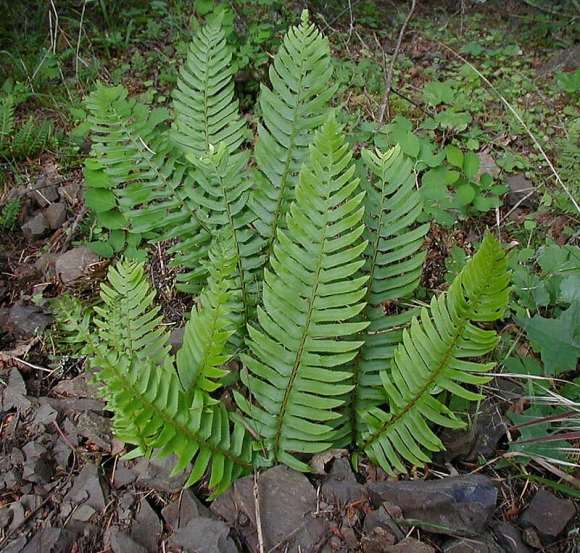
Ferns are some of the most fascinating and ancient plants on Earth, having existed for over 360 million years. These lush, green plants add a touch of natural beauty to both outdoor gardens and indoor spaces.
Unlike flowering plants, ferns reproduce via spores and have interesting biological and ecological characteristics that make them stand out in the plant kingdom.
Want to know more about it? Hear us out.
Behind the Ferns
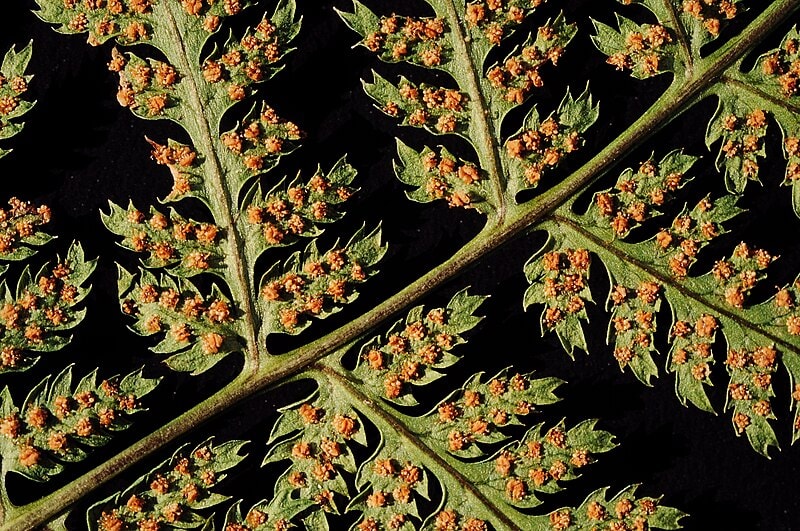
Ferns belong to the group of plants known as pteridophytes, that are distinct from flowering plants (angiosperms) and conifers (gymnosperms). One of the most notable features of ferns is their method of reproduction. Instead of seeds, ferns reproduce via spores, that are typically found on the undersides of their fronds (leaves).
These spores are contained in structures called sporangia, often grouped into clusters called sori. When conditions are favorable, the spores germinate and grow into a small, heart-shaped gametophyte, that then produces sperm and eggs for fertilization, leading to the formation of a new fern.
Another fascinating aspect of ferns is their vascular system. Ferns have xylem and phloem, similar to other vascular plants, that transport water, nutrients, and food throughout the plant. This system allows ferns to grow in a wide range of environments, from the forest floor to high-altitude rocky crevices.
The fronds of ferns are also interesting. They start as tightly coiled structures known as fiddleheads or croziers, that gradually unfurl into the mature, divided leaves we recognize. This uncoiling process is known as circinate vernation and is a distinctive characteristic of ferns.
‘Who’ are Ferns?

There are over 10,000 species of ferns, each adapted to different environments around the world. Some of the most popular types include the Boston fern, staghorn fern, and maidenhair fern. Each of these species has interesting features and care requirements, making them suitable for different settings.
The Boston fern (Nephrolepis exaltata) is a common houseplant known for its feathery, arching fronds. It thrives in humid conditions and indirect light, making it perfect for bathrooms or kitchens where moisture levels are higher.
The staghorn fern (Platycerium spp.) is an epiphytic fern, meaning it grows on other plants or objects rather than in ground. These ferns have two types of fronds: shield fronds, that protect the roots and absorb moisture, and antler fronds, that resemble the horns of a stag. Staghorn ferns are often mounted on boards or hung in baskets, creating striking living sculptures.
Maidenhair ferns (Adiantum spp.) are prized for their delicate, fan-shaped fronds and fine texture. These ferns prefer cool, shaded environments with consistent moisture, making them ideal for shaded garden spots or indoor spaces with indirect light.
Ferns can be found in a variety of habitats, from tropical rainforests to temperate forests and even arid regions. They often thrive in moist, shaded environments where they can take advantage of the high humidity and filtered light. However, some species, such as the desert fern (Cheilanthes spp.), have adapted to survive in drier conditions by developing specialized structures to conserve water.
Taking Care of Them

Ferns can be relatively easy to care for, provided their basic needs are met. Here are some general tips for keeping your ferns healthy and thriving:
- Light: Most ferns prefer indirect light or partial shade. Too much direct sunlight can scorch their fronds, while too little light can result in poor growth. A north or east-facing window is often ideal for indoor ferns.
- Water: Ferns generally require consistent moisture, but they don’t like to be waterlogged. It’s important to keep the ground evenly moist but not soggy. Using a well-draining potting mix and ensuring pots have drainage holes can help prevent root rot.
- Humidity: Many of them, especially tropical species, thrive in high humidity. Placing a humidifier nearby, misting the fronds regularly, or placing the fern on a tray of pebbles and water can help maintain the necessary humidity levels.
- Temperature: Ferns typically prefer cooler temperatures, ranging from 60-75°F (16-24°C). Avoid placing them near drafts, heaters, or air conditioning units, that can cause fluctuations in temperature and humidity.
- Feeding: Ferns benefit from regular feeding during the growing season (spring and summer). Using a balanced, water-soluble fertilizer diluted to half strength every 4-6 weeks can provide the necessary nutrients for healthy growth.
- Pruning: Regularly removing dead or yellowing fronds can help keep your fern looking its best and prevent the spread of disease. Use clean, sharp scissors or pruning shears to make clean cuts close to the base of the frond.
What about a Little Bit ‘Naturally’?

They have played a significant role in ecosystems and human culture for centuries. Ecologically, ferns are important components of forest understories, where they contribute to ground stabilization and provide habitat for various wildlife. Their ability to thrive in shaded, moist environments helps maintain biodiversity and supports the health of forest ecosystems.
Culturally, they have been used for various purposes, from ornamental plants in gardens and homes to symbols in art and literature. In Victorian England, fern fever, or “pteridomania,” swept the nation, leading to the collection and cultivation of ferns on a massive scale. Fern motifs became popular in architecture, textiles, and decorative arts, reflecting the fascination with these elegant plants.
In some cultures, they hold symbolic meanings. For instance, in Maori culture in New Zealand, the silver fern (Cyathea dealbata) is a national symbol representing strength, endurance, and growth. The spiral shape of unfurling fern fronds, known as a koru, symbolizes new beginnings and perpetual movement.
They have also been used in traditional medicine. Various species have been employed to treat ailments such as digestive issues, respiratory problems, and skin conditions. While modern medicine has largely replaced these traditional uses, ferns remain a source of interest for their potential pharmacological properties.
Ferns are truly remarkable plants with a rich history and various presence across the globe. Their interesting biological features, varied species, and ecological importance make them a fascinating subject for both casual plant enthusiasts and serious botanists alike.
Whether adorning your home as a lush houseplant or thriving in their natural habitats, ferns continue to captivate and inspire with their timeless beauty and resilience. So next time you encounter a fern, take a moment to appreciate the intricate and ancient world of these extraordinary plants.
Sources:
Leave a Reply