

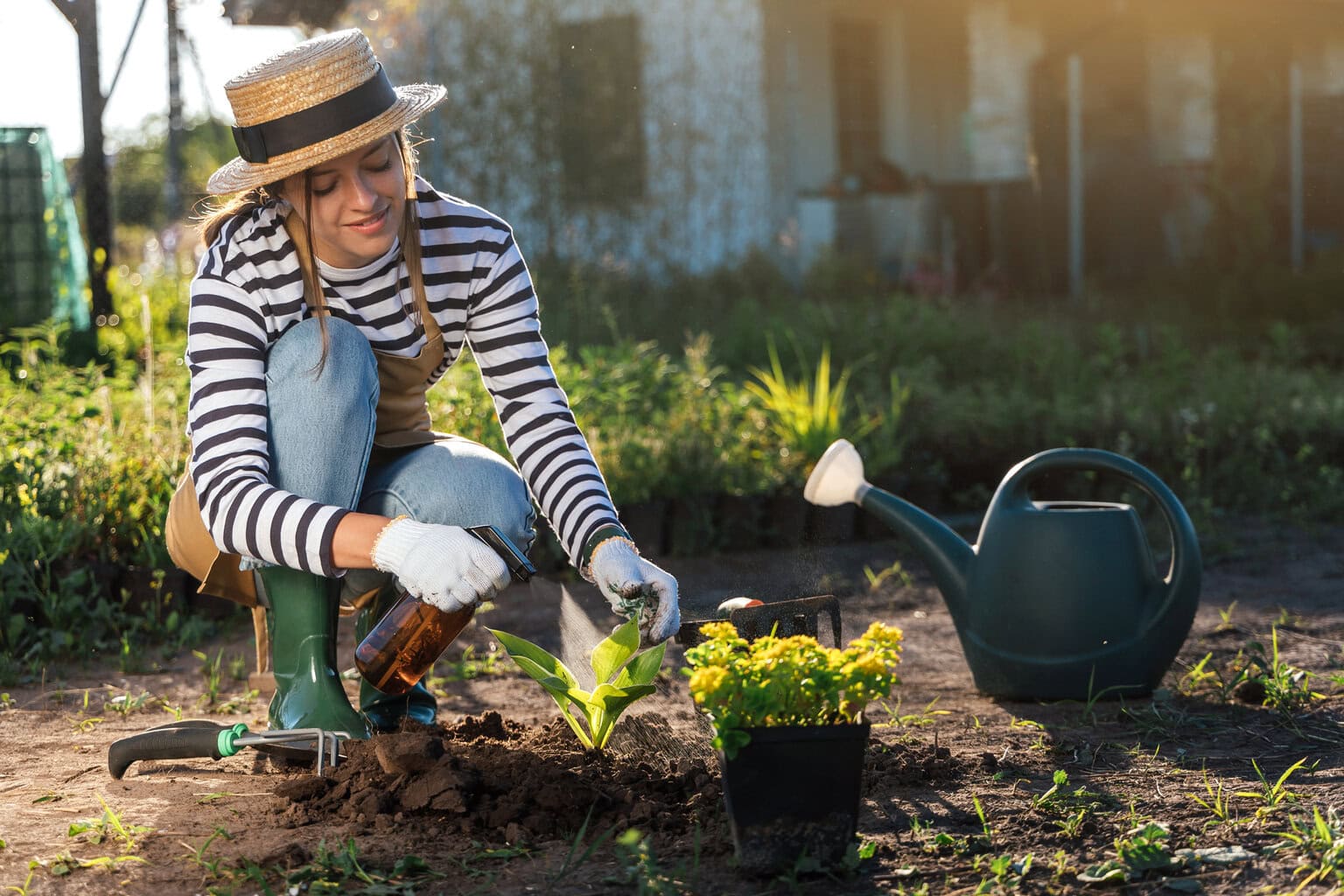
Gardening may appear to be a simple hobby, but the act of digging, planting, watering, and harvesting works every part of the body. It also provides food, fresh air, and contact with nature.
Unlike the treadmill or weight machines, gardening connects exercise with something useful and satisfying. Every hour spent in the garden builds strength, supports mental health, saves money, and creates a more sustainable way of living.
Let’s talk about this unpopular fact.
Gardening Functions as Real Exercise

The Centers for Disease Control and Prevention (CDC) advises adults to get at least 2.5 hours of moderate-intensity activity each week. This amount reduces the risk of obesity, type 2 diabetes, osteoporosis, heart disease, stroke, depression, and premature death.
Gardening counts as moderate-intensity activity, which means it contributes directly to this health goal.
Unlike structured workouts, gardening does not always feel like exercise. Digging a trench, hauling soil, or pulling weeds engages muscles, elevates the heart rate, and builds endurance.
Squatting to plant seeds strengthens the legs, while carrying watering cans works the arms and shoulders. The variety of movements makes gardening a full-body workout that develops flexibility and balance at the same time.
Many people find themselves gardening longer than they would exercise at the gym, which means the health effects accumulate which creates lasting improvements.
Calories Burned

Treehugger actually did the math! Different tasks in the garden burn calories at different rates. Research has provided average figures for a person of moderate weight:
- Heavy landscaping such as moving rocks or digging soil: 400–600 calories per hour
- Raking leaves: 350–450 calories per hour
- Clearing a garden bed: about 400 calories per hour
- Mowing the lawn: 250–350 calories per hour
- Weeding: 200–400 calories per hour
- Planting flowers or vegetables: 200–400 calories per hour
- Watering with a hose or can: around 120 calories per hour
These numbers show that gardening can equal or even exceed traditional fitness activities. An hour of heavy landscaping burns about as many calories as running at a moderate pace. Even watering the garden, although light, keeps the body active and engaged.
Over weeks and months, the repeated effort accumulates which creates improved metabolism and stronger muscles.
Benefits for the Mind and Memory

Beyond physical strength, gardening nurtures the brain. The practice of horticultural therapy, where patients engage with plants as treatment, has shown consistent results in lowering anxiety and boosting mood.
One long-term study in Australia followed more than 2,800 adults over age 60 for 16 years. It found that those who gardened regularly had a 36% lower risk of dementia compared to those who did not.
The combination of movement, routine, and sensory stimulation accumulates which creates protection for memory and cognitive health.
Stress relief is another major benefit. A Dutch study compared gardening with reading after participants were exposed to stress. Both lowered cortisol levels, but the reduction was far greater for gardening.
The act of tending to plants restored positive mood, while reading led to a decline. This suggests that time in a garden accumulates which creates resilience against daily pressures.
A 2017 review of multiple studies concluded that gardening improves a wide range of health outcomes. People reported lower depression and anxiety, improved social connection, greater physical activity, and higher quality of life.
Unlike short-term remedies, these effects build with consistency, which means a few hours each week accumulate which create real, long-term change.
Practical Advantages That Go Beyond Health

The harvest from a garden provides fresh fruits, herbs, and vegetables that cut grocery bills and improve diet quality. A single tomato plant can yield several kilograms of fruit in one season, which saves money while offering organic produce free from packaging.
Food grown at home also lowers dependence on commercial agriculture. Industrial farming uses large amounts of synthetic fertilizer, pesticides, packaging, and transportation.
By producing food locally, gardeners reduce waste, save energy, and lower greenhouse gas emissions. These actions may seem small, but they accumulate which create measurable environmental benefits.
Gardening also eliminates the need for certain purchases. Someone who grows spinach, lettuce, or carrots at home does not need to buy them at the store.
The garden becomes a natural substitute for gym equipment, since digging or carrying compost bags provide resistance training. The combined effect accumulates which creates savings in both food and fitness expenses.
Risks and Safe Practices
Like any physical activity, gardening carries risks. Sun exposure can cause burns or dehydration, while lifting heavy objects may strain muscles. Bending awkwardly can hurt the back or knees.
To avoid problems, gardeners should wear hats, gloves, and sturdy shoes, stay hydrated, and pace themselves. Proper tools also prevent injury.
For example, using a wheelbarrow to move soil reduces strain compared to carrying buckets. Simple precautions accumulate which create a safe environment that allows benefits to outweigh risks.
How Gardening Builds a Lifestyle
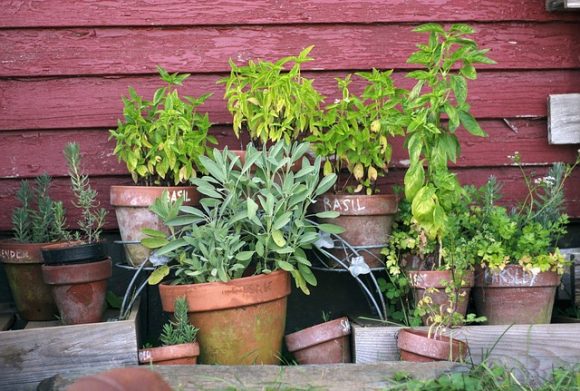
Gardening is unique because the rewards go beyond the individual. A backyard filled with flowers and vegetables provides habitat for pollinators, insects, and birds.
Healthy soil absorbs rainwater, which prevents flooding. Composting kitchen scraps returns nutrients to the earth instead of sending them to landfills. These outcomes accumulate which create stronger ecosystems and cleaner surroundings.
The activity also connects people with community. Those without their own yards can join community gardens or volunteer in parks. These spaces offer exercise, food, and friendship at the same time. Shared work in gardens accumulates which creates stronger social bonds and greater environmental awareness.
The True Value
An hour of gardening may burn calories, but its true value lies in the broad range of benefits that stretch from physical health to environmental sustainability.
Pulling weeds, planting seeds, and watering beds may look ordinary, yet each act accumulates which creates a chain of advantages for body, mind, wallet, and planet.
Instead of treating exercise, food, and relaxation as separate activities, gardening unites them all. Every task strengthens the body, clears the mind, and contributes to sustainability.
Over time, the effort accumulates which creates a lifestyle that is healthier, cheaper, and more connected to the earth. In the end, gardening offers more than a harvest. It provides a path where every hour spent in the soil brings rewards that keep growing.
Sources:
Leave a Reply