


“Eww, what are those insects doing?” Well, while some of us may not like to have insects around us, but their presence is actually important for the nature. And if we care to not belittle them, they may even the most important creatures on this planet.
Also, don’t forget that they comprise for more than 80% of living creatures on the planet’s surface. Their number tells how much they are able to influence anything on this planet, and even though we don’t really see it doesn’t mean that it is not there.
But what is actually the importance of insects? Can we live without those creatures? What if someday we have to live without them?
Here, in this article, we are going to talk about it again and again.
Insects as Pollinators
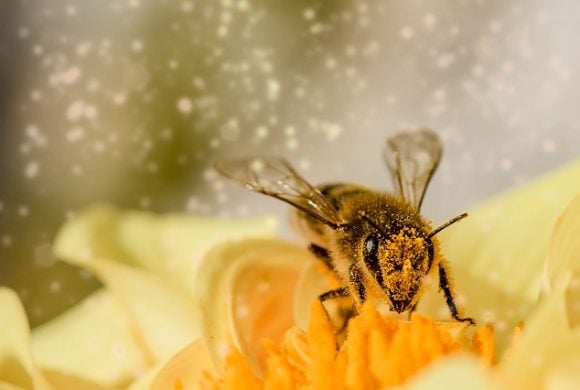
Pollination is a vital process that helps plants reproduce and grow fruits and seeds. Insects like bees, butterflies, and beetles are important pollinators. They carry pollen from one flower to another, allowing plants to make seeds. This process is crucial for keeping ecosystems healthy and diverse.
Bees and butterflies have special features that make them good at pollinating. Bees have fuzzy hairs on their bodies that catch pollen, while butterflies have long tongues to reach deep into flowers. Beetles have strong legs and crawl over flowers, spreading pollen as they move. These insects have evolved alongside plants, forming a close relationship that benefits both.
Insect pollinators also help produce the food we eat. Around 75% of the world’s food crops, like fruits, vegetables, nuts, and oilseeds, need pollinators. Without them, our food supply would be lower in quantity and quality. This could lead to higher prices and less nutritious food.
Unfortunately, insect pollinators are facing challenges. Their habitats are being destroyed, pesticides are harming them, the climate is changing, and diseases are spreading. As a result, many pollinator populations are decreasing. This is worrying because it affects not only nature but also our farms and food production.
“Biodiversity, including insect, declines are often unintended consequences of human activities with human wellbeing nearly always trumping nature conservation, and this is likely to continue until we reach a point where we see flat-lining ecosystems are detrimental to our own species,” said Invertebrate Biology and Conservation Policy at Lancaster expert, Phillip Donkersley.
Pest Control

Not only as pollinators, they can also work as pest control. Some insects, like ladybugs and praying mantises, are beneficial because they eat these pests and help protect our plants. What’s better is, they are working fully naturally.
Using chemical pesticides to control pests can have negative effects on the environment and our health. That’s why relying on natural insect predators is a better solution. Ladybugs, for example, are known to eat aphids, which are small insects that can destroy plants. Praying mantises eat a variety of pests, including caterpillars and grasshoppers.
When we encourage these beneficial insects to thrive, they help keep pest populations in check. This reduces the need for chemical pesticides, which can harm not only pests but also beneficial insects, birds, and other animals. It also helps maintain a healthier and more balanced ecosystem.
Promoting natural pest control methods can have both ecological and economic benefits. Farmers can reduce their dependence on expensive pesticides, which can also harm the soil and water. By supporting beneficial insects, we can create a more sustainable and environmentally friendly approach to pest management.
Insects Can Also Recycle Nutrients!

Another wonderful power they have is the ability to help break down dead plants and animals into tiny pieces with the process called decomposition. It might not sound glamorous, but it’s very important for recycling nutrients and keeping the environment healthy.
When insects like beetles and termites munch on dead plants and animals, they break them down into smaller bits. These bits mix with the soil and turn into nutrients that plants need to grow. It’s like nature’s recycling system!
The nutrients released during decomposition are essential for plants to thrive. They help plants grow strong and healthy, which benefits animals and other organisms that rely on plants for food and shelter. So, insects that help with decomposition play a vital role in maintaining the balance of ecosystems.
Without insects doing their job, dead plants and animals would pile up and rot. This would make it harder for nutrients to be recycled back into the soil. It could also lead to smelly and unhealthy environments.
Unfortunately, some factors like pollution and habitat destruction can harm insect populations involved in decomposition. This can disrupt the natural nutrient recycling process and have negative effects on the overall health of ecosystems.
To protect this important role of insects, we need to take care of their habitats and reduce pollution. By doing so, we can help maintain a healthy environment where nutrients are recycled, plants can grow, and animals can thrive.
As Part of Food Web? Notice Their Importance
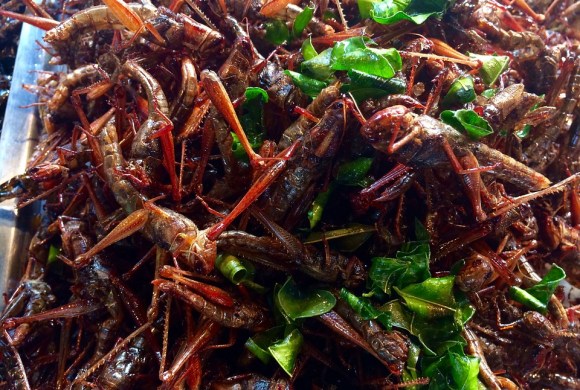
Birds, frogs, lizards, and even bigger animals like bears and bats all enjoy a tasty insect meal. Insects are like little protein-packed snacks that keep these animals well-fed and happy. Without insects, these animals would have a hard time finding enough food to survive.
When insects become scarce, it can cause a chain reaction throughout the food web. For example, if there are fewer insects, birds might struggle to find enough to eat. This can then affect other animals that depend on birds for food. It’s like a domino effect that can disrupt the balance of the whole ecosystem.
Insects also help control populations of other creatures. For instance, some insects eat plant-eating bugs, which prevents them from becoming too abundant and damaging crops. By keeping these pest populations in check, insects help farmers and gardeners grow healthy plants without relying on harmful chemicals.
When we think about the importance of insects in the food web, we realize how interconnected everything is. Each creature has a role to play, and if one piece goes missing, it can have a big impact on the others.
So, let’s appreciate insects for their important place in the planet. Protecting their habitats and making sure they have enough food and shelter is important for them. Therefore, we can help maintain the delicate balance of nature.
Sources:
Leave a Reply