


Weather can change in surprising ways, affecting people in different parts of the world. While some places face very hot days, others deal with freezing cold.
In South America, a sudden cold snap has brought chilly winds and even snow, while Europe and North America struggle with intense heat waves. Let’s learn more about these extreme weather events and how they impact people’s lives.
Cold Weather in South America
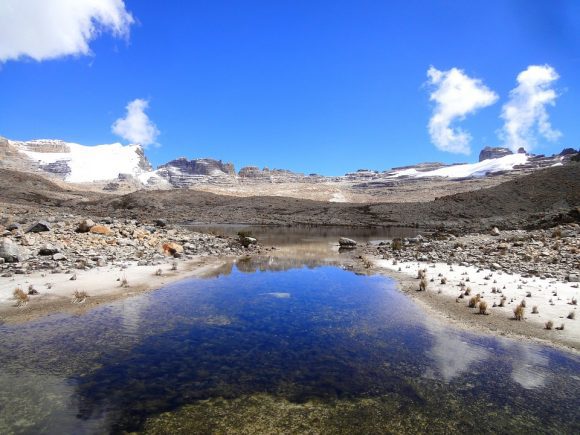
In South America, countries like Argentina, Chile, and Uruguay are experiencing very cold weather. This cold snap, which means a sudden drop in temperature, is unusual for these places, even during their winter season.
Winter in the Southern Hemisphere happens at the opposite time of the year compared to the Northern Hemisphere, so while it’s summer in places like the United States, it’s winter in South America.
In Buenos Aires, the capital city of Argentina, temperatures dropped below zero degrees Celsius, which is very rare. Early in the morning, frost covered cars, and people wore heavy winter clothes to stay warm.
They put on scarves, thick jackets, and wool hats to protect themselves from the cold. Some even drank hot drinks to feel warmer.
“I literally almost froze,” said Juan Manuel Amnini, a 42-year-old engineer in Buenos Aires, to Reuters. “You cover up with whatever you have. Under this, I’m wearing layers and layers of clothes like I’m an onion.”
Another person, Gael Larrosa, a student in Buenos Aires, shared how hard it is to deal with the cold. He said, “Right now I have a thermal underneath my clothes, a pair of trousers, and another pair of trousers on top of those.” “I have a really hard time with the cold. Here the cold kills you, it really kills you,” he added.
In some areas of Argentina, Chile, and Uruguay, the cold snap even brought unexpected snowfall. It is because cold winds from the Antarctic, which is the icy continent at the bottom of the world, are blowing north.
Many homes and offices in these countries are not built to handle such cold weather, making it harder for people to stay warm.
Heat Waves in Europe

While South America faces cold weather, Europe is dealing with very hot weather. A heat wave, which is a period of unusually hot temperatures, has been affecting countries like Italy, France, and Spain. This heat is so strong that it has caused serious problems for people living in these areas.
In Italy, the government banned outdoor work in some places because it was too hot to work safely outside. In France, schools were closed, and parts of the famous Eiffel Tower were shut down to keep people safe.
Spain had its hottest June ever recorded, which means the temperatures were higher than ever before for that month. In Barcelona, a city in Spain, officials are checking if the death of a street sweeper was caused by the heat.
The heat wave in Europe has led to health alerts, warning people to stay cool and drink plenty of water. High temperatures can make people sick, especially if they are outside for too long. Cities make the heat feel even worse because asphalt and concrete, which are used to build roads and buildings, absorb heat and make the air hotter.
Heat Waves in North America
In North America, especially in the United States, many areas are also facing extreme heat. Since late June, temperatures have been very high in the northern and middle parts of the country. Heat warnings have been given to tell people to be careful and stay safe.
Scientists say that these heat waves are connected to climate change, which is when the Earth’s weather patterns change because of human activities like burning fuel. Climate change makes hot weather come earlier in the year and last longer. This means people have to deal with high temperatures for more days than they used to.
Like in Europe, cities in the United States make the heat feel worse. The asphalt and concrete in cities hold onto heat and make the air feel even hotter. This can be dangerous for people who work outside or don’t have a cool place to stay.
Why Is This Weather Happening?

The extreme weather in South America, Europe, and North America is part of larger changes in the Earth’s climate. In South America, the cold snap is caused by strong winds coming from the Antarctic. These winds bring very cold air to places that are usually warmer, causing frost and even snow in areas that don’t often see it.
In Europe and North America, the heat waves are linked to climate change. When people burn fuels like gas and coal, it releases gases into the air that trap heat. This makes the Earth warmer over time, leading to hotter summers and more frequent heat waves. Scientists warn that these extreme weather events may happen more often if the Earth keeps getting warmer.
Both the cold snap and the heat waves show how weather can affect people’s lives in big ways. In South America, people are bundling up to stay warm, while in Europe and North America, they are trying to stay cool. These changes in weather can make it hard for people to do their daily activities, like going to work or school.
How Are People Coping?
In South America, people are finding ways to stay warm during the cold snap. They wear many layers of clothes, like jackets, scarves, and hats, to protect themselves from the freezing temperatures. Some drink hot tea or coffee to warm up their bodies. However, because many homes and buildings are not designed for such cold weather, it can be hard to stay comfortable.
In Europe and North America, people are trying to stay cool during the heat waves. They drink lots of water, stay in the shade, and use fans or air conditioning when possible. Governments are also helping by giving warnings about the heat and closing places like schools to keep people safe. In some cities, cooling centers are opened where people can go to escape the heat.
Both the cold snap and the heat waves show how important it is to be prepared for extreme weather. People need to have the right clothes, stay hydrated, and find safe places to stay during these events. Governments and communities are also working to help people by providing information and resources to stay safe.
What Can We Learn from This?

The extreme weather happening around the world teaches us that the Earth’s climate is changing, and it affects people in different ways. In South America, the cold snap shows how cold weather can surprise people and make life harder, especially when buildings are not ready for it.
In Europe and North America, the heat waves show how hot weather can be dangerous and change the way people live their daily lives.
The cold snap in South America and the heat waves in Europe and North America remind us how powerful nature is. They also show us that we need to take care of our planet and be ready for all kinds of weather. Whether it’s bundling up in Buenos Aires or staying cool in Barcelona, people around the world are learning to adapt to these changes and stay strong.
Sources:
Leave a Reply