


As homeowners, maintaining a pest-free home is essential, but it shouldn’t come at the expense of the environment or your family’s health. Traditional pest control methods often rely on harsh chemicals that can harm more than just the bugs. Thankfully, eco-friendly pest control solutions offer a safer, sustainable alternative.
Whether you’re dealing with ants in the kitchen or mosquitoes in the yard, these green methods protect your home while minimizing environmental impact. But what does “eco-friendly” really mean, and how effective are these options?
In this blog, we’ll uncover eight essential things every homeowner should know about eco-friendly pest control. From understanding natural repellents to exploring preventative strategies, these tips will empower you to protect your home responsibly and sustainably. Let’s get started.
What Is Eco-Friendly Pest Control?
Eco-friendly pest control focuses on methods that are safe for the environment, humans, and pets. Unlike traditional pesticides, which rely on harsh chemicals, these solutions use natural or biodegradable substances. Techniques like integrated pest management (IPM) emphasize prevention and targeting specific pests without harming beneficial organisms. By adopting eco-friendly methods, homeowners can reduce environmental damage, minimize health risks, and maintain a balanced ecosystem.
Understanding how these methods work helps homeowners choose sustainable options for their pest problems. Whether it’s natural repellents or physical barriers, eco-friendly solutions offer a range of effective alternatives to chemical-based pesticides that are safer for your home and the planet.

The Benefits of Choosing Green Pest Control Solutions
Eco-friendly pest control is not only better for the environment but also offers several benefits for homeowners. These solutions reduce exposure to toxic chemicals, ensuring the safety of your family and pets. They are often more sustainable, preserving the local ecosystem by protecting beneficial insects like pollinators.
Green methods are highly effective, targeting pests without leaving harmful residues behind. Many natural treatments also help prevent future infestations by addressing the root causes. By choosing eco-friendly options, you can enjoy long-term results and a healthier living space, all while reducing your carbon footprint.

Natural DIY Remedies: What Works and What Doesn’t
Many homeowners turn to natural remedies for pest control, but not all DIY solutions are equally effective. For instance, essential oils like peppermint and eucalyptus can repel ants and spiders, while diatomaceous earth effectively eliminates insects like cockroaches. However, some methods, such as homemade traps or vinegar sprays, may work only in specific situations and require consistent application.
It’s important to research each remedy and understand its limitations. While DIY solutions are cost-effective, they often serve as a complement to professional treatments rather than a standalone fix for significant infestations. Knowing what works can save you time and frustration in managing pests.

When to Seek Professional Help for Eco-Friendly Pest Control
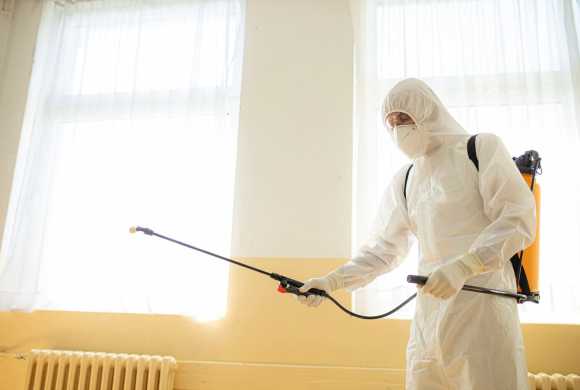
While many eco-friendly solutions can be implemented at home, certain infestations require professional intervention. Experts have access to advanced techniques and products that are both effective and environmentally safe.
They can also identify the root causes of the problem and offer long-term prevention strategies. For instance, you can contact pest control in Clifton Park, NY, to explore customized eco-friendly treatments for your home. Professionals ensure the safety and effectiveness of their methods, giving you peace of mind. Seeking expert help is particularly beneficial for persistent or large-scale infestations, ensuring your home remains pest-free without compromising the environment.
The Importance of Prevention in Eco-Friendly Pest Control
Prevention is key to maintaining a pest-free home sustainably. Simple steps, such as sealing cracks and crevices, repairing leaky pipes, and keeping food storage areas clean, can significantly reduce pest attraction. Regular yard maintenance, like trimming bushes and removing standing water, prevents breeding grounds for insects.
Eco-friendly pest control focuses on creating an environment that is unappealing to pests rather than killing them outright. This approach not only reduces the need for chemical treatments but also ensures long-term protection. By prioritizing prevention, you can keep pests at bay while minimizing harm to the environment and your home.

How to Use Biological Controls Effectively
Biological control involves using natural predators or beneficial organisms to manage pest populations. Ladybugs, for example, can help control aphids in your garden, while nematodes target soil-dwelling pests like grubs. These methods are eco-friendly and sustainable, posing no harm to your family or pets.
However, biological controls require careful planning and monitoring to ensure they work effectively without disrupting the local ecosystem. Homeowners should research which organisms are suitable for their specific pest issues and consider consulting experts for guidance. When used correctly, biological control is an excellent way to address infestations without relying on harmful chemicals.

Understanding the Costs of Eco-Friendly Pest Control
Eco-friendly pest control can sometimes appear more expensive than traditional methods, but it often proves more cost-effective in the long run. Many green solutions focus on prevention and long-term management, reducing the likelihood of recurring infestations. DIY options like essential oils or traps are typically inexpensive, while professional eco-friendly services may cost more upfront due to specialized products and expertise.
The investment pays off by protecting your family’s health and minimizing environmental impact. Homeowners should compare costs and benefits carefully to determine the most suitable approach for their budget and needs.
The Role of Education in Sustainable Pest Management
Educating yourself about pests and their behavior is a crucial part of sustainable pest control. Knowing what attracts specific pests and how they thrive helps you implement targeted strategies to keep them at bay. Resources like local agricultural extensions or online guides can provide valuable insights into eco-friendly practices.
By staying informed, homeowners can make better choices when selecting products or hiring professionals. Education also empowers you to advocate for greener pest control solutions in your community, encouraging more people to adopt sustainable practices. A little knowledge goes a long way in protecting your home and the environment.

Eco-friendly pest control offers a safer, more sustainable way to protect your home from pests without harming the environment. By understanding these methods, embracing prevention strategies, and seeking professional help when needed, homeowners can effectively manage infestations while safeguarding their families and the planet.
From natural remedies to biological controls, there’s a wide range of green solutions to explore. Choosing eco-friendly pest control is not just about eliminating pests—it’s about adopting a holistic approach to maintaining a healthy, balanced living space. Make the switch today and enjoy a pest-free home that’s better for you and the environment.
Leave a Reply