

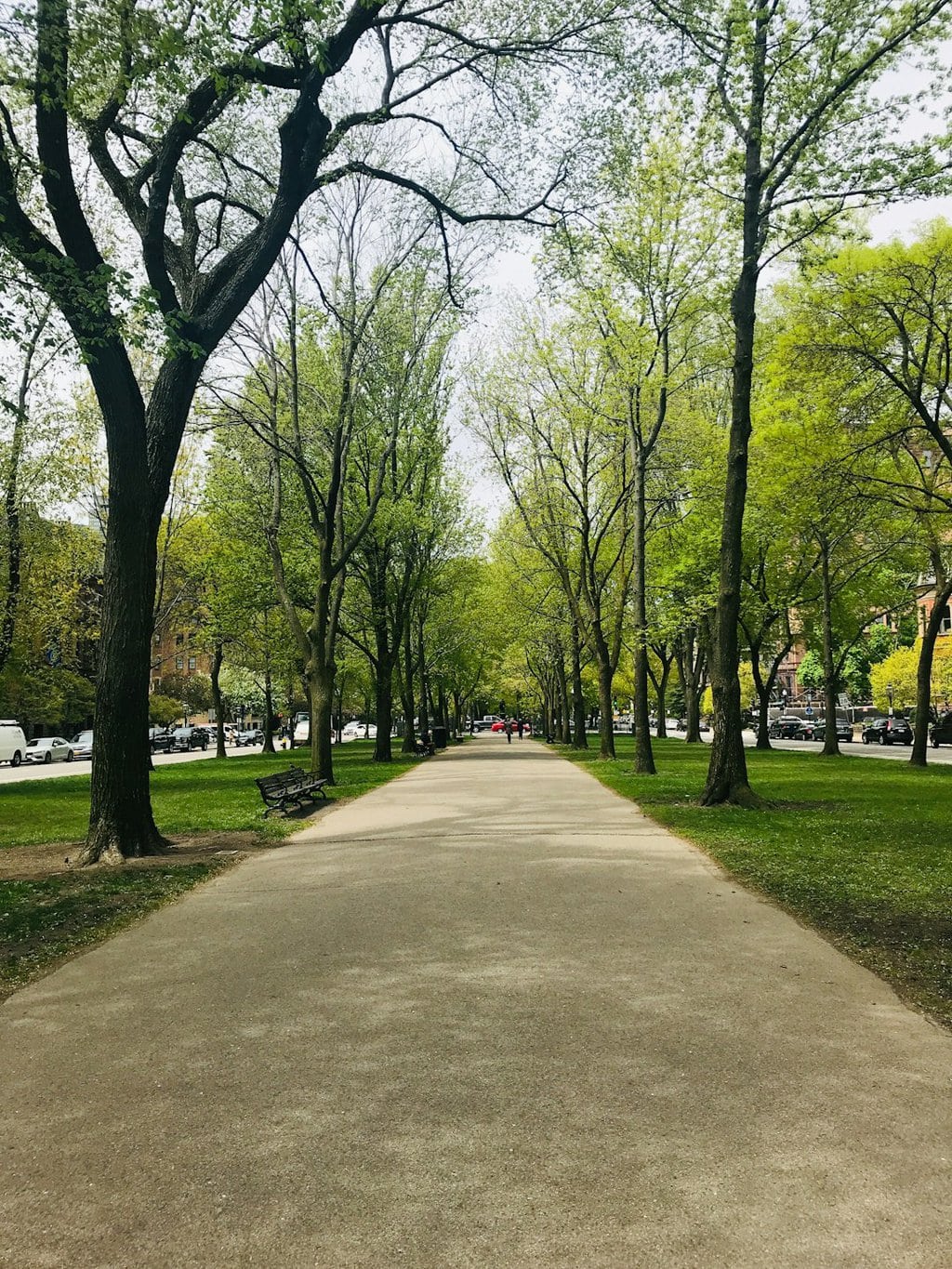
Hardscaping is an important part of designing outdoor spaces. It includes solid, non-living features like patios, walkways, decks, driveways, and walls. These elements make yards look nice and work well for activities like walking or relaxing.
With the right choices, hardscaping can also help the environment by saving water, reducing pollution, supporting animals, and needing less care. This article explains what hardscaping is and how it can be sustainable.
Without taking things too far apart, let’s talk about how hardscaping can be both practical and good for the planet in this article.
Using Hardscaping to Help the Environment
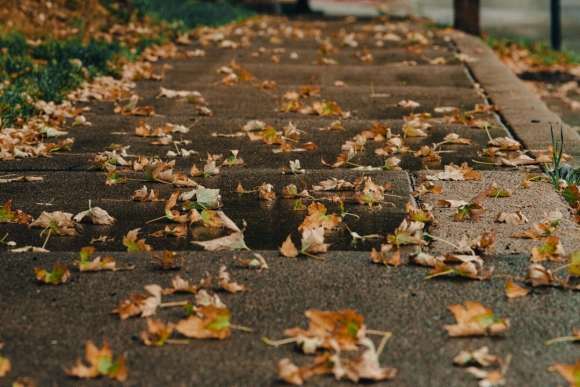
Hardscaping is more than just building paths or patios. It can make your yard better for the environment. One big way it helps is by replacing grass lawns, which use a lot of water. Grass needs constant watering, mowing, and chemicals like fertilizers to stay green.
In some countries, lawns use billions of liters of water every day. By switching to hardscaping, like gravel paths or stone patios, you can use much less water. Hardscaping also reduces pollution. Without grass, you don’t need to use chemicals to kill weeds or make the lawn grow.
These chemicals can wash into rivers or underground water when it rains, harming fish and plants. Hardscaping means less mowing, so you don’t use gas-powered machines that create air pollution. For example, a stone walkway needs no watering or mowing, making it cleaner for the environment.
Using materials from nearby, like local stone or recycled concrete, also helps. Transporting heavy materials long distances creates pollution, but local materials don’t need to travel far.
Once built, hardscaping lasts a long time and needs little care, saving energy. For instance, a gravel patio stays in place for years without needing repairs, making it an eco-friendly choice for your yard.
Designing with Nature in Mind
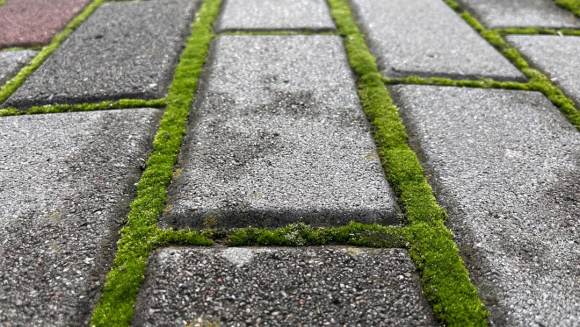
Sustainable hardscaping works with nature, not against it. A big problem with regular hardscaping, like concrete or asphalt, is that it stops rainwater from soaking into the ground. This causes water to rush into drains, carrying dirt or chemicals into rivers. It can also cause flooding or erosion.
Permeable pavers are a better choice. These are special stones or tiles with gaps that let water pass through into the soil. This helps refill underground water and keeps rivers cleaner. For example, a driveway made of permeable pavers lets rain soak into the ground instead of flooding the street.
However, these pavers need careful planning to avoid damaging tree roots during installation. Mixing permeable and solid surfaces, like a driveway with grass strips in between, can balance water flow and strength.
You can also design hardscaping to guide water to gardens or rain barrels. Sloping a patio slightly toward a flower bed lets rain water plants naturally. Rain barrels collect water from roofs for use in gardens, saving water. These simple designs make hardscaping work with nature, keeping your yard healthy and reducing waste.
Choosing Eco-Friendly Materials
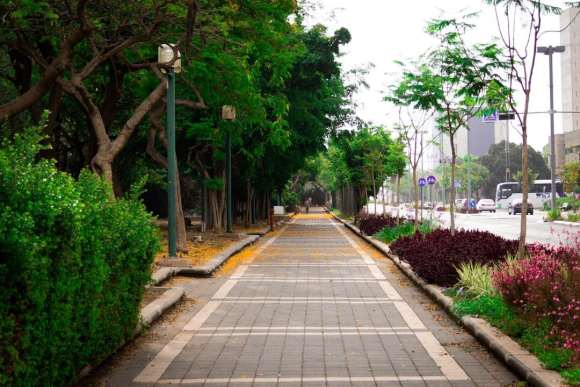
The materials you use in hardscaping matter a lot for sustainability. Recycled materials, like crushed concrete or old bricks, are great choices. These materials come from old buildings or roads, giving them a new purpose instead of going to landfills. For example, a patio made of reclaimed bricks looks beautiful and keeps waste out of the environment.
Concrete is commonly used, but making it creates a lot of pollution. Cement, a key part of concrete, is responsible for a big share of global carbon emissions. Using recycled concrete or choosing natural stone from nearby can reduce this impact.
Clay pavers are another eco-friendly option, especially if made locally. For instance, a walkway made of local stone supports the environment and nearby businesses.
Wood is popular for decks or garden beds, but it should be chosen carefully. Reclaimed wood or logs from fallen trees are better than new lumber, which requires cutting down forests. Untreated wood is safer near gardens because it doesn’t leak harmful chemicals into the soil.
For example, using old logs for garden borders is both natural and safe. Many places also have recycling centers where you can buy used materials for hardscaping, helping reduce waste and supporting a circular economy.
Creating Space for Wildlife

Hardscaping doesn’t have to harm nature. It can actually help animals and plants. Permeable surfaces let air and water reach the soil, supporting worms, bugs, and tiny creatures that keep the ground healthy.
For example, a permeable stone path allows water to feed the soil below, helping insects like bees that live underground.
You can add plants between hardscaping features to create homes for animals. Native plants, like local flowers or shrubs, attract birds, bees, and butterflies. For instance, planting small flowers like wild strawberries between stone pavers adds beauty and supports pollinators. These plants also stop weeds from growing, keeping your yard neat without chemicals.
Hardscaping can make outdoor spaces safer for people and animals. In cold areas, permeable surfaces reduce ice buildup because water drains instead of freezing. This means you don’t need chemical de-icers, which can hurt plants or pets.
In hot areas, adding shade with a pergola or stone bench under a tree makes the yard more comfortable without needing grass. Even the shape of a path matters, curved walkways look natural and avoid disturbing animal homes like nests or burrows.
Want to Try It?

Hardscaping is about building solid features like paths, patios, and walls to make outdoor spaces useful and beautiful. When done sustainably, it can save water, reduce pollution, and help wildlife.
By replacing grass with eco-friendly materials, using permeable surfaces, choosing recycled or local materials, and adding native plants, hardscaping becomes good for the environment.
These choices make your yard low-maintenance, cost-effective, and a home for nature. Whether it’s a simple stone path or a full garden design, sustainable hardscaping shows how we can live better with the planet.
Sources:
https://www.wilsonhardscape.ca/
Leave a Reply