

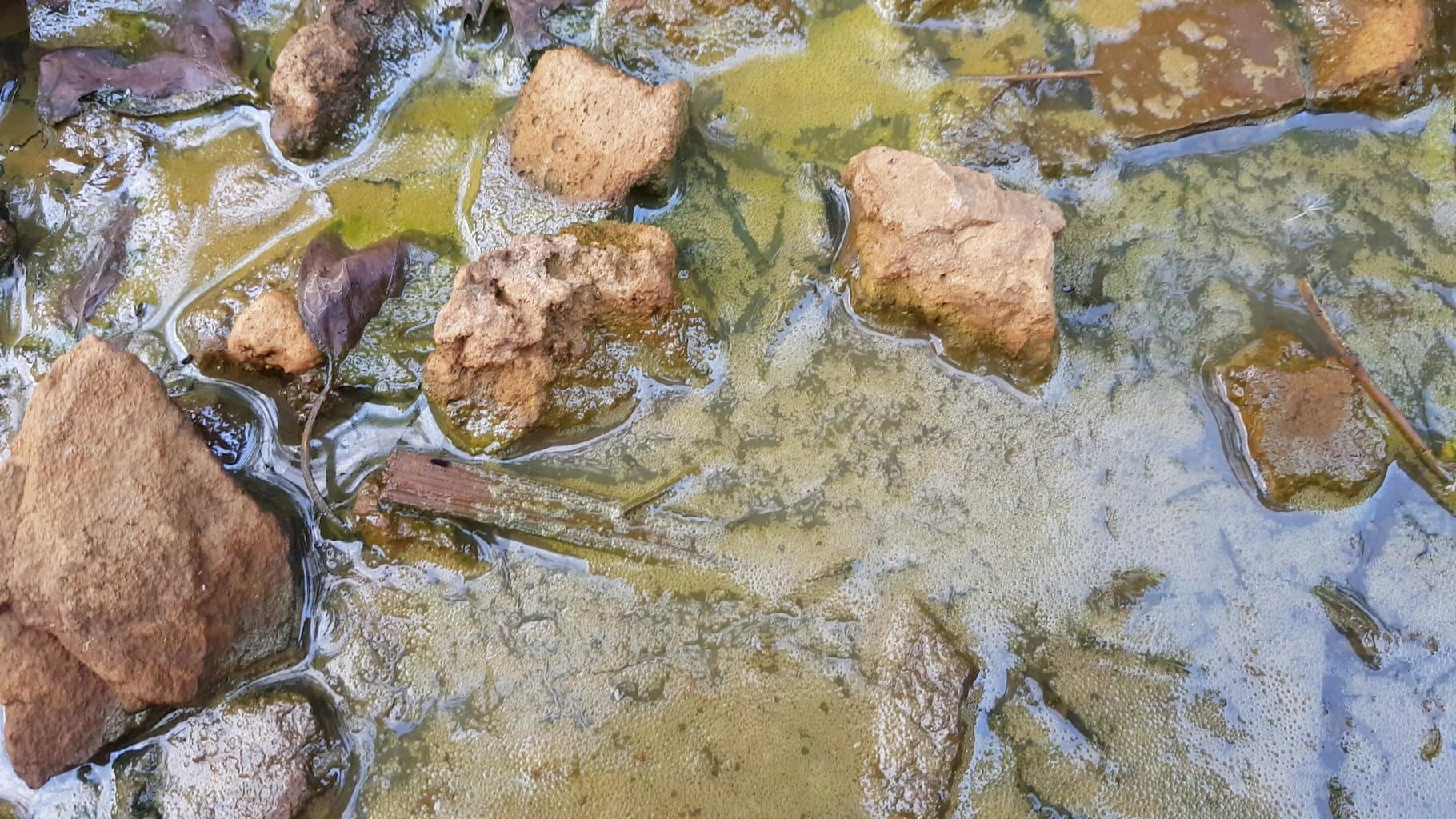
Leachate is a highly contaminated liquid formed when water—typically from rainfall or surface runoff—percolates through solid waste in a landfill. As it travels, it extracts soluble and suspended pollutants, including heavy metals, organic toxins, and industrial chemicals. Unmanaged, leachate poses a significant threat to soil, groundwater, and surrounding ecosystems.
Plastic Fusion specializes in engineered solutions that intercept and manage leachate at its source, using advanced containment systems and materials designed to protect the environment and ensure long-term regulatory compliance.
Sources of Leachate
Leachate is generated through a combination of environmental and biological factors. The most common source is rainfall infiltration, where water permeates waste layers within the landfill. Surface runoff from adjacent areas can also enter the landfill, adding to the leachate volume.
Additionally, the natural decomposition of organic waste produces internal moisture, further contributing to leachate formation. Regardless of its source, this liquid often contains a complex mix of volatile organic compounds, heavy metals, and industrial pollutants. Without proper management, leachate can pose a serious risk to nearby soil and groundwater systems.

Leachate Management Systems
Managing Leachate effectively requires integrated systems designed to meet or exceed EPA regulations. Key components of a modern leachate control strategy include engineered collection infrastructure, such as perforated piping networks and granular drainage layers, which direct leachate toward treatment facilities. Geomembrane liners—primarily HDPE and LLDPE—serve as critical barriers to prevent vertical migration of contaminants into the subsurface.
Complementing these barriers are leak detection and groundwater monitoring systems, which provide early warnings of any potential failures. To further reduce leachate production, engineered landfill caps and closure systems are implemented to minimize water infiltration after site closure.
Treatment Methods for Leachate
Because the chemical makeup of leachate can vary significantly between sites and over time, treatment approaches must be adaptive and robust. Pretreatment often involves biological reactors, chemical oxidation, or dosing systems to reduce toxicity. Constructed wetlands may be employed to simulate natural filtration processes, offering cost-effective remediation.
In some cases, recirculating the leachate back into the waste mass can accelerate decomposition and reduce volume. Other options include evaporation systems, particularly in arid environments, and land application in controlled, lined areas where vegetation can absorb nutrients. For highly contaminated leachate, offsite transportation to specialized treatment plants remains a final but costly option.
What Is Leachate Water?
Leachate water refers to the contaminated liquid that drains or ‘leaches’ from a landfill or waste storage site. It is formed when water—often from rainfall or surface infiltration—passes through decomposing waste, dissolving a variety of harmful substances along the way.
These can include heavy metals, organic compounds, ammonia, pathogens, and industrial pollutants. Due to its toxic nature, leachate water requires careful containment and treatment to prevent environmental contamination and protect groundwater resources.

What Is a Leachate Collection System?
A leachate collection system is an engineered infrastructure designed to intercept, collect, and direct leachate for treatment before it can escape into the environment. These systems are a critical component of modern landfill design and typically include a network of perforated pipes, gravel drainage layers, sump pumps, and geomembrane liners.
The goal is to capture leachate efficiently at the base of the landfill and transport it to a treatment facility or containment pond, ensuring that it does not pose a risk to surrounding ecosystems.
How Is Leachate Collected?
Leachate is collected using gravity and engineered drainage systems. As leachate forms at the base of a landfill cell, it flows through a network of sloped collection pipes embedded in a gravel layer. These pipes channel the liquid to collection sumps, where it is either pumped to the surface for treatment or stored in lined tanks or ponds.
The efficiency of leachate collection depends on the landfill’s liner integrity, pipe gradient, and the design of the drainage layer. Continuous monitoring ensures the system is operating correctly and helps detect any failures before contamination can occur.
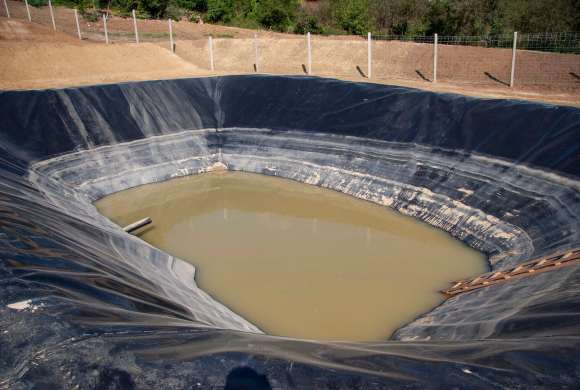
Insulated leachate pond with dirty water, part of landfill
What Is Leachate Treatment?
Leachate treatment is the process of removing or neutralizing harmful contaminants within leachate water to meet environmental discharge standards. Because leachate often contains a wide range of pollutants—from organic materials and nitrogen compounds to toxic metals and industrial chemicals—it typically requires a multi-stage treatment approach.
Common methods include biological treatment, chemical precipitation, membrane filtration, reverse osmosis, and advanced oxidation. The goal is to render the leachate safe for discharge into the environment or for reuse in site operations, depending on local regulations.
What Is a Leachate Treatment Plant?
A leachate treatment plant is a facility specifically designed to treat the contaminated liquid collected from landfills or waste storage sites. These plants vary in size and complexity depending on the volume and composition of the leachate they are processing. Some are located onsite at landfills, using modular systems that combine biological, chemical, and physical treatments.
Others are centralized facilities that receive leachate hauled from multiple sites. Whether mobile or permanent, leachate treatment plants are essential for ensuring that wastewater from solid waste operations meets safety standards before being released back into the environment.

Leachate Collection Experts
Plastic Fusion is a trusted leader in the design, fabrication, and installation of advanced leachate collection systems for landfills, industrial waste sites, and environmental remediation projects. We provide systems that not only meet but often exceed EPA regulatory requirements. Our use of high-performance materials, such as HDPE and LLDPE liners, ensure long-term durability and protection.
By engineering efficient drainage solutions, we help reduce long-term maintenance costs while improving system reliability. Whether your site is municipal, commercial, or industrial, Plastic Fusion offers scalable, custom-engineered leachate management systems that adapt to varying site conditions, leachate profiles, and regulatory challenges.
Leave a Reply