


Professional solar contractor or solar panel installers are trained to properly mount solar cells on rooftops and other surfaces to collect sunlight and convert it into clean, renewable electricity.
They are responsible for the panels’ initial setup and ongoing maintenance to ensure their reliability and efficiency.
You can do well in this environmentally friendly field with the necessary education, work experience, and applicable transferrable abilities.
Want to be a solar contractor?
This article provides an in-depth look at the solar installation industry, including the requirements, training, and best practices for entering and excelling in this sustainable and financially rewarding field.
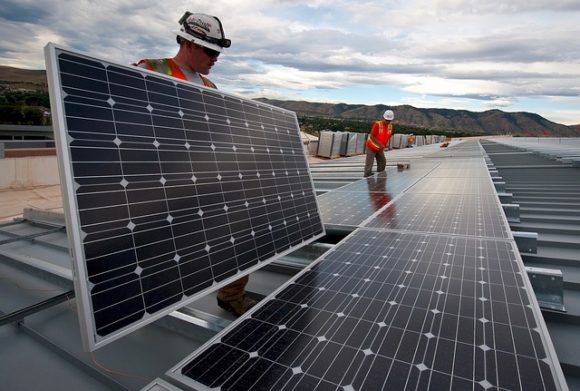
What’s a Solar Contractor?A solar contractor/installer is a highly skilled professional responsible for meticulously installing solar panels on buildings to harness solar energy and convert it into electricity. Their duties include precise measurements to ensure panel fit, rigorous testing for optimal performance, and employing tools like drills and saws for secure attachment. They may also handle the electrical wiring connection in some cases. These professionals are crucial in promoting renewable energy and a greener future. |
How to Qualify as a Solar Panel Installer
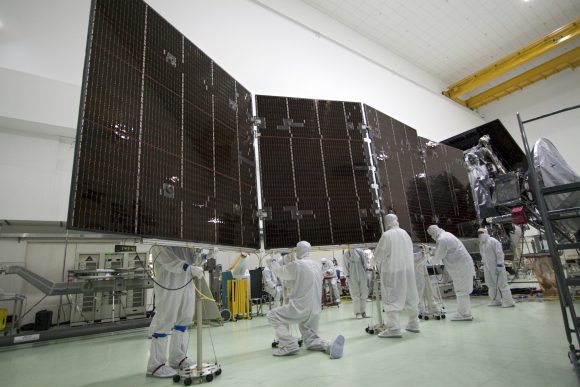
Solar Panel Installer ResponsibilitiesAs a solar panel installer, your primary responsibility is to install and maintain solar panels on buildings and land, converting solar power into renewable energy. Duties include assessing locations, taking precise measurements, making adjustments, connecting panels to electrical systems, and ensuring safety compliance. Routine maintenance checks and the utilization of technical equipment are essential aspects of the role. |
Becoming a solar panel installer opens up various pathways, and this section outlines the relevant qualifications for the role. You can obtain these qualifications by enrolling in a college course or pursuing an apprenticeship.
Alternatively, if you already possess relevant qualifications, you can apply directly for a job with an employer. By exploring these different routes, you can determine the most suitable.
While some options may have specific qualification requirements, many employers highly value enthusiasm, a willingness to learn, and the ability to follow instructions in potential candidates.
1. Obtain a High School Diploma

Typically, most solar companies hiring entry-level installers require candidates to have a high school diploma or equivalent education.
To build a solid foundation for your technical skills, consider taking technical electives or joining relevant clubs during high school. Including transferable skills on your resume will make you a more appealing candidate to recruiters.
To better understand the necessary skills, seek advice and insights from other local solar installers. Experienced solar installers may even guide you in finding suitable institutions for further education if they believe it will benefit your career.
Beneficial skills include electrical system knowledge, proficiency in mathematics, design abilities, and a solid understanding of the subject matter. Attention to detail, analytical thinking, effective collaboration, and the ability to remain calm under stress are crucial qualities for excelling in this profession.
2. Undergo Training
Three types of expertise are required to install solar photovoltaic (PV) systems effectively. Reputable contractors have extensive experience installing and servicing residential PV systems. If the installation involves roofing, the contractor should also possess ample experience with the specific roof type.
However, installers should be fully qualified personnel if they cover two or three of these areas:
Solar Expertise:
- Designing PV systems
- Obtaining necessary permits
- Executing installations
Electrical Expertise:
- Designing electrical components of PV systems
- Conducting contracting work
- Complying with journeyman-level standards and regulations
Roofing Expertise:
- Waterproofing and sheet metal work
- Managing construction aspects
- Adhering to journeyman-level roofing practices
Some installers specialize solely in solar installation and electrical work, leaving roofing tasks to specialized roofing experts. This approach can be practical since not all solar contractors possess roofing expertise.
3. Get Certificates

Obtaining NABCEP certification, which employers value for demonstrating your expertise with solar panels, will help you improve your skills as a solar installer. Completing a 10-hour construction safety course from the Canadian Centre for Occupational Health and Safety is beneficial too.
In addition, consider pursuing the Certified Solar Roofing Professional credential, which requires prior education, three years of roofing experience, and five PV system installations. These certifications will make you a highly qualified and sought-after solar installer.
4. Try out as an Apprentice Solar Contractor
One option to pursue a career as a solar panel installer is to enroll in an intermediate apprenticeship in electrical installation. This two-year apprenticeship allows you to advance to an advanced qualification or specialize in solar panel installation.
For individuals aged 16 and above, apprenticeships offer a full-time job while dedicating at least 30 hours per week to the program. Internships give people who want to become solar installers a complete learning experience by combining on-the-job training with college or training provider classes.
5. Proven Work Record
Aspiring solar panel installers looking for work in the construction industry would greatly benefit from relevant work experience. You can gain this experience while still in school by working on weekends or during holidays with a construction company or a relative specializing in solar panel installation.
Gathering recommendations from a selection of a dealer’s customers can also be beneficial. Reach out to at least three references and visit some of their installations to gain valuable insights. Lastly, having minimal or no complaints is a positive indicator.
Including relevant work experience on your CV will impress potential employers and increase your chances of securing a position in the industry.
Summary

Now here’s the deal: if you want to make it big as a solar installer, you’ve got to stay on top of your game. That means never stopping the learning train, my friend. Keep yourself in the loop with all things PV-related because knowledge is power.
And let’s remember the customers. They’re the ones who keep the lights on (literally), so make sure you’ve got some killer customer service skills up your sleeve.
Trust me, with the right mix of education, mechanical prowess, and top-notch customer service, you’ll be soaring high in the solar installation game.
Leave a Reply