

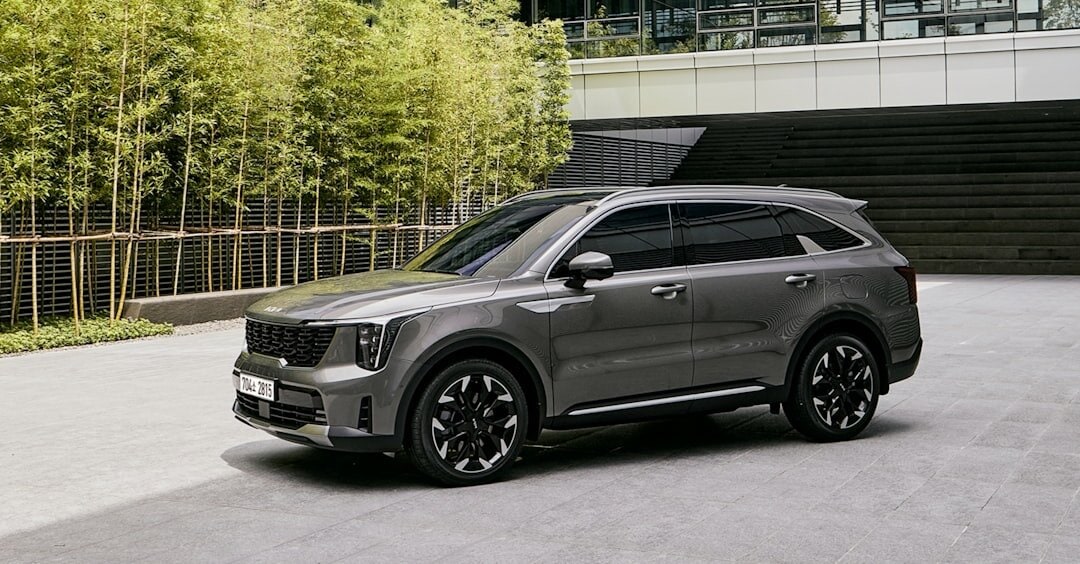
Just a few years ago, it seemed like the world was on the edge of a transportation revolution. The rise of electric vehicles (EVs) and smaller, energy, efficient cars was expected to push gas, guzzling giants off the road.
Governments set ambitious climate targets, manufacturers promised greener fleets, and environmentalists cheered. But something entirely different has happened. Instead of shrinking, our cars are getting bigger.
SUVs, those towering, fuel, hungry behemoths, now dominate the global car market. In 2024, a staggering 54% of all cars sold worldwide were SUVs, a number that keeps climbing year after year.
And the vast majority of them? Still running on fossil fuels.
This shift isn’t just a minor trend, it’s a major setback for climate efforts, road safety, and urban planning. So why are people still buying SUVs in record numbers? And what does this mean for the future of sustainable transport?
The SUV Takeover

The rise of SUVs wasn’t inevitable, it was manufactured. While drivers enjoy the higher seating, spacious interiors, and rugged design, automakers have been the real force behind the SUV boom.
These vehicles come with high profit margins, making them a goldmine for manufacturers. Unlike smaller cars, SUVs allow companies to charge more for what is essentially the same basic product, thanks to a perception of added value.
“It is the industry that has driven the demand through huge marketing and advertising campaigns in recent years,” says Dudley Curtis from the European Transport Safety Council. “SUVs offered the industry a simple way of charging more for a vehicle that does the same thing (as others).”
And the strategy has worked. Even in countries where EVs were expected to dominate, SUVs have remained king. In Europe, where hatchbacks were once the most popular choice, sales of small cars have plummeted, from 3.27 million in 2018 to just 2.13 million in 2024. Meanwhile, SUV sales in China alone soared to nearly 11.6 million in 2024, making it the world’s largest SUV market, followed by the US, India, and Germany.
SUVs are no longer just for off, roading enthusiasts or suburban families, they’ve become the default choice for millions.
The Climate Cost of the SUV Boom
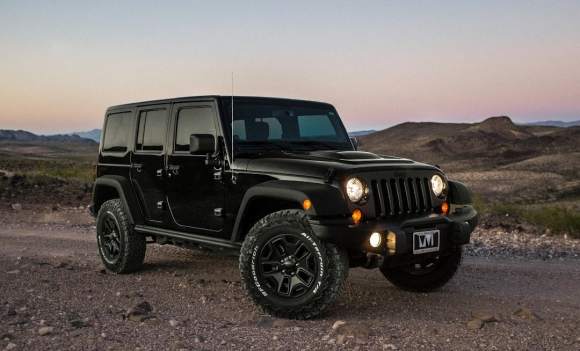
SUVs are a disaster for the climate. Their size and weight mean they burn up to 20% more fuel than smaller petrol and diesel cars, according to the International Energy Agency (IEA).
This has led to an increase of 600,000 barrels of oil consumed per day globally between 2022 and 2023, accounting for more than a quarter of the total rise in global oil demand.
“If ranked among countries, the global fleet of SUVs would be the world’s fifth, largest emitter of CO2,” says Apostolous Petropolous, an energy modeller at the IEA. “It exceeds the emissions of Japan and various other major economies.”
This surge in SUV sales has wiped out many of the emissions reductions achieved elsewhere in the auto industry. In fact, the IEA warns that the growing preference for heavier, less efficient vehicles has largely nullified improvements in energy efficiency across the world’s passenger car fleet.
The consequences extend beyond emissions. The larger batteries required for electric SUVs place an even greater strain on critical mineral resources, increasing the demand for lithium, cobalt, and nickel. Mining these materials comes with serious environmental and human costs, including water depletion, habitat destruction, and exploitative labor conditions.
Simply put, SUVs, whether electric or not, are pushing the limits of sustainability.
Are Electric SUVs the Answer?

Manufacturers argue that SUVs are evolving, with more models shifting to electric. In 2023, 20% of SUVs sold worldwide were fully electric, up from just 2% in 2018. Some automakers claim that the SUV body style is actually well, suited for electrification, as larger frames allow for bigger batteries and longer ranges.
“Around two in five of these [new] vehicle models are zero, emission,” says Mike Hawes, CEO of the Society of Motor Manufacturers and Traders (SMMT). “The body type lends itself well to electrification with a longer battery range, reassuring consumers concerned about charging accessibility.”
But not all electric SUVs are created equal. While they eliminate tailpipe emissions, they still require more energy and materials to produce than smaller EVs. And hybrids, which were once seen as a middle ground, aren’t living up to expectations, a European study found that plug, in hybrid SUVs run on electricity for only 30% of their total mileage.
So, while electric SUVs are better than their fossil, fuel counterparts, they still reinforce the trend toward larger, more resource, intensive vehicles. The reality is that shifting to smaller, more efficient electric cars would have a far greater impact on cutting emissions.
What Happens Next?

The SUV boom has created a deep contradiction in the fight against climate change. While governments push for net, zero targets, car buyers are making choices that move us further away from that goal.
Experts say that reversing this trend will require more than just incentives for EVs, it will take bold policy decisions. Some cities have already started cracking down. In example, in Paris, a public vote in 2024 led to higher parking fees for SUVs to discourage their use in urban areas.
Not only that, the UK’s Climate Change Committee has called for stricter emissions standards to curb SUV sales. While several other countries are investing in public transport and car, sharing alternatives to reduce car dependency altogether.
But these efforts need to scale up quickly. The IEA warns that if SUV growth continues at its current rate, it will lock in decades of higher emissions, making it nearly impossible to reach global climate targets.
Indeed SUVs have taken over the roads, not because they’re better for the planet, but because they’ve been marketed as bigger, better, and more desirable.
This shift comes at a steep cost. These vehicles consume more fuel, require more materials, and make streets less safe for pedestrians and cyclists. Even their electric versions demand larger batteries that intensify pressure on global resources.
The question isn’t just whether SUVs can go electric. The real challenge is whether we can break free from the obsession with bigger cars altogether.
If we’re serious about cutting emissions, improving road safety, and making cities more livable, we need to change the conversation, and start looking at smaller, smarter, and truly sustainable ways to move forward.
Sources:
https://www.technologyreview.com/
Leave a Reply