

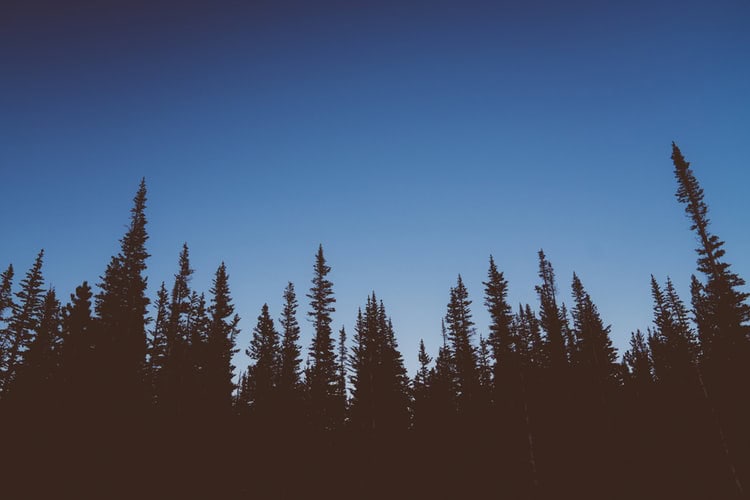
For most of human history, night was truly dark. Once the sun went down, the world softened into shadow, guided by moonlight, starlight, and memory. Darkness carried danger, but it also carried meaning.
It shaped sleep, behavior, storytelling, and even our sense of time. Today, that darkness is disappearing. Artificial light has spread so widely and so carelessly that many of us no longer experience a natural night at all.
We flood streets, buildings, homes, and skylines with light, often far beyond what we actually need. This excess has a name: light pollution. And while it might seem harmless compared to smoke or plastic waste, its effects reach deep into ecosystems, climate systems, and human health.
Light pollution doesn’t just block our view of the stars. It reshapes the night itself, and not in a good way. Therefore, we need to talk about it.
When the Stars Vanish

Urban sky glow is the most visible and symbolic form of light pollution. It’s the bright haze that hangs over cities at night, glowing orange, white, or bluish depending on the type of lighting used.
This glow is created when artificial light shines upward or sideways instead of down where it’s actually needed. The light scatters in the atmosphere and reflects back toward the ground, washing out the natural darkness.
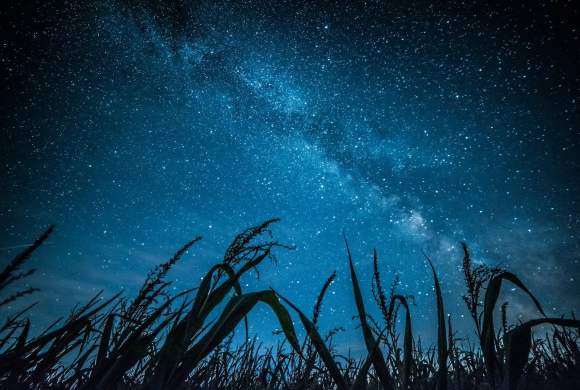
The result is that stars disappear. In many cities, the Milky Way is completely invisible, and even major constellations fade into nothing. To see a truly dark sky, we often need to drive far from urban centers, turning darkness into a destination rather than a shared experience.
This loss isn’t just poetic, it’s practical. For centuries, humans used the night sky for navigation, calendars, agriculture, and cultural meaning. Losing it disconnects us from something fundamental.
Sky glow also wastes enormous amounts of energy. Lights that shine into the sky serve no real purpose, yet they consume electricity and contribute to carbon emissions. This means light pollution quietly feeds the climate crisis, even as it pretends to offer safety or beauty.
More light does not automatically mean better visibility, and studies consistently show that over-lighting can actually make it harder to see by increasing glare and visual confusion.
When Light Becomes Intrusive

Light pollution doesn’t stay politely where it’s placed. Light trespass happens when unwanted artificial light spills into places it was never meant to reach, bedroom windows, backyards, or neighboring homes.
A streetlamp outside your window, a neighbor’s security light, or passing headlights can disrupt sleep and erase any sense of nighttime privacy. Unlike noise, light trespass is often ignored, even though its effects can be just as invasive.
Over-illumination is closely related and just as common. It happens when spaces are lit far more than necessary, often in the name of safety, advertising, or status. Brightly lit office buildings left glowing all night, floodlit landmarks, and oversized parking lot lights are familiar examples. These lights rarely improve security, yet they consume energy nonstop and add to sky glow.
For humans, constant exposure to artificial light at night interferes with circadian rhythms. Our bodies evolved to respond to cycles of light and darkness, and when that balance is disrupted, sleep quality suffers.
Over time, this disruption is linked to stress, fatigue, and other health concerns. We like to think we’ve mastered the night, but in reality, we’re overriding biological systems that still depend on darkness to function properly.
Too Much Light, Less Visibility

Glare is one of the most counterintuitive effects of light pollution. It occurs when bright, unshielded light shines directly into our eyes, reducing visibility rather than improving it. Anyone who has been temporarily blinded by oncoming headlights or harsh streetlights knows how disorienting glare can be.
Instead of helping us see, it creates sharp contrasts and deep shadows where details disappear. This problem becomes worse when glare combines with light clutter. Light clutter refers to dense groupings of bright lights, signs, billboards, decorative lighting, traffic signals, all competing for attention.
In heavily lit urban areas, this visual chaos makes it harder to focus, react, or navigate safely. For drivers, cyclists, and pedestrians, excessive lighting can actually increase the risk of accidents.
Wildlife is especially vulnerable to glare and clutter. Many animals rely on subtle light cues to navigate, hunt, migrate, or reproduce. Artificial lighting disrupts these cues, confusing species that evolved under predictable cycles of day and night.
Birds collide with illuminated buildings. Insects gather endlessly around lights, exhausting themselves and becoming easy prey. Predators and prey are thrown out of balance, not because nature failed, but because we changed the rules of the night.
The Hidden Cost of Bright Nights

Light pollution reaches far beyond cities and human inconvenience. It alters entire ecosystems. Nocturnal animals depend on darkness for protection and orientation. When night becomes bright, their feeding patterns change, reproduction is disrupted, and survival rates drop.
Sea turtle hatchlings, for example, instinctively move toward moonlight reflecting on the ocean. Artificial lights can lead them inland instead, where they die from exhaustion or predation.
Plants are affected too. Artificial light can alter flowering cycles and seasonal behaviors, interfering with pollination and plant growth. Even aquatic ecosystems suffer, as light spilling into water affects plankton, fish behavior, and food chains.
Then there’s the climate connection. Every unnecessary light consumes electricity, and much of that electricity still comes from fossil fuels. This means light pollution contributes directly to greenhouse gas emissions.
In some regions, a significant portion of outdoor lighting is wasted, shining into empty spaces or straight into the sky. Reducing this waste is one of the simplest ways to cut emissions without sacrificing quality of life.
The solution isn’t darkness everywhere. It’s smarter lighting, shielded fixtures, warmer tones, lower intensity, and lights used only when and where they’re needed. Darkness is not the enemy. It’s a natural resource, and unlike many others, it’s easy to restore. All it takes is the decision to turn some lights off.
Learning to Respect the Night
Light pollution is often overlooked because it doesn’t look dirty or dangerous. It glows. It feels modern. It reassures us. But beneath that glow lies waste, disruption, and loss. We lose stars, silence, sleep, wildlife balance, and energy, all in exchange for light we often don’t need.
The night doesn’t have to be feared or erased to be useful. A little darkness sharpens our senses, reconnects us with natural rhythms, and reminds us that not everything needs to be illuminated to matter.
When we learn to respect the night again, we don’t move backward, we move toward a healthier, more balanced relationship with the world we live in.
Sources:
Leave a Reply