


As the world races to transition from fossil fuels to renewables, people are debating. Is it real that wind farms really are better for wildlife than oil drilling?
Wind energy is often seen as a key solution to climate change, but it has faced criticism for its impact on birds and marine ecosystems. Meanwhile, oil drilling has a long history of oil spills, habitat destruction, and deadly noise pollution, yet some argue that wind power’s effects on nature are just as harmful.
The reality is complex. While both energy sources have consequences for wildlife, the scale and nature of these impacts differ dramatically.
So, which one is truly worse? And can we reduce harm while still securing the energy we need?
The Environmental Toll of Wind Farms
Bird and Bat Collisions
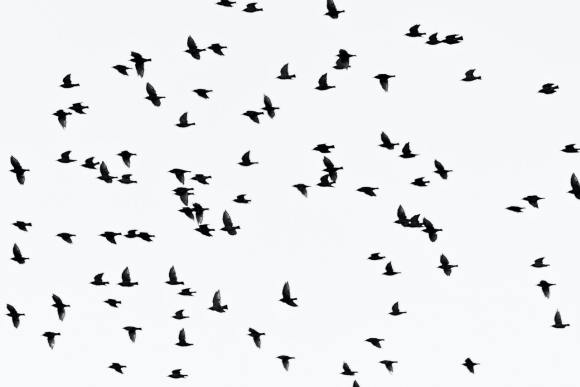
One of the most widely recognized concerns about wind energy is the risk of birds and bats colliding with turbine blades. Certain species, such as the northern gannet and black-legged kittiwake, are especially vulnerable.
Bats face an additional danger: barotrauma. The rapidly moving blades create sudden changes in air pressure, which can cause their lungs to collapse, leading to fatal internal bleeding.
That said, studies show that cats and building collisions kill far more birds than wind farms do. Even so, scientists are working on ways to reduce bird and bat deaths by adjusting turbine placement, slowing blades at key times, and adding UV lighting to make turbines more visible.
Habitat Disruption
Beyond collisions, some seabirds avoid wind farms altogether, changing their flight paths and spending more energy searching for food. This displacement can indirectly impact their survival.
However, not all birds are deterred by turbines. Some, such as cormorants, have been found foraging and roosting on offshore wind farms. The full extent of these changes is still being studied.
Noise and Marine Life Disturbance
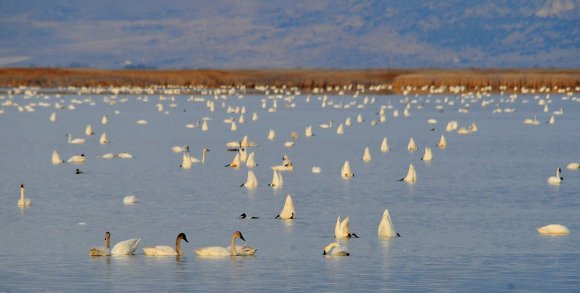
Offshore wind farms require deep-sea construction, which involves pile-driving steel foundations into the seabed. This process creates loud underwater noise, which can disrupt whales, seals, and porpoises.
Marine mammals rely on echolocation to navigate, and loud noises can disorient them, interfere with feeding, or even cause them to flee their habitats. However, unlike oil drilling (which produces noise pollution continuously), the loudest wind farm noises occur only during construction.
To mitigate this, scientists have developed bubble curtains—rings of air bubbles that absorb and reduce underwater noise. Countries like Germany now require wind farm developers to use bubble curtains to protect marine life.
Despite these concerns, wind power experts argue that its risks are manageable, especially when compared to the catastrophic effects of fossil fuels.
The Devastating Impact of Oil Drilling
Oil Spills and Chronic Pollution
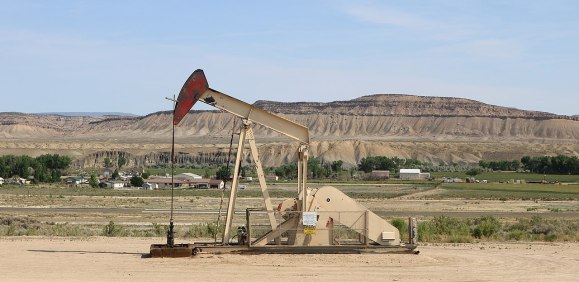
Oil drilling’s most infamous impact is oil spills, which devastate entire ecosystems.
The Deepwater Horizon disaster in 2010 spilled 4.9 million barrels of crude oil into the Gulf of Mexico, killing 1 million seabirds, 1,000 dolphins, and countless fish. The oil suffocated marine life, poisoned food chains, and caused lasting genetic damage to fish populations.
Even when spills aren’t making headlines, smaller leaks happen constantly. Oil rigs frequently release toxic chemicals into the water, accumulating over time and damaging ecosystems in ways that aren’t immediately visible.
Continuous Noise Pollution
While wind farms create temporary construction noise, oil drilling generates constant, year-round noise pollution.
The loudest culprit is seismic airguns, which blast compressed air into the ocean every 10 seconds to locate oil reserves. These airgun blasts can travel for miles, disrupting marine life across entire ecosystems.
“Imagine if a blinding flashlight was pointed at your face every 10 seconds, making it impossible to see. That’s what seismic blasts do to whales and dolphins that rely on sound to navigate,” said Dr. Kaitlin Frasier, a researcher at Scripps Institution of Oceanography.
These ear-splitting noises have been linked to several problems such as hearing damage and disorientation in whales, interrupted feeding and migration patterns, increased stress levels in marine mammals
Unlike wind farms, which quiet down once construction is complete, oil drilling’s noise pollution is relentless.
Habitat Destruction and Deforestation

Oil drilling permanently scars landscapes. Unlike wind farms, which reuse the same land for decades, oil companies constantly clear new areas to keep extracting.
In places like the Amazon, entire forests are razed to build new oil wells. This destroys habitats for countless species, accelerates climate change, and displaces Indigenous communities.
Even after extraction ends, abandoned oil fields leave behind toxic waste and polluted water, often making the land uninhabitable for wildlife.
Which Is Worse for Wildlife?

When weighing wind farms against oil drilling, the answer is clear. Oil is more destructive compared to the other because of several reasons, such as:
- Oil spills cause mass deaths, while wind turbines primarily affect specific bird and bat populations.
- Oil rigs generate constant noise pollution, while wind farm noise is temporary.
- Oil drilling causes permanent habitat loss, whereas wind farms have minimal long-term land impact.
- Most importantly, oil fuels climate change, which threatens all wildlife globally.
While wind farms can and should be improved to reduce harm to birds and marine life, they remain a far better option than continuing to burn fossil fuels.
Making Energy Infrastructure Safer for Wildlife

While both wind power and oil drilling have environmental impacts, it’s clear that wind energy is the lesser of two evils. However, both industries must continuously improve their practices to minimize harm.
Making Wind Energy Safer

To make wind energy more wildlife-friendly, several smart approaches can be taken. Smart siting means carefully choosing locations for wind farms that pose the least risk to birds, like avoiding major migration paths.
Using radar systems equipped with AI can help; these sensors can detect approaching birds and temporarily pause turbines to prevent collisions. During construction, especially offshore, bubble curtains can be used.
These create a wall of bubbles in the water to reduce loud underwater noise, protecting marine animals like whales from harmful sounds. Additionally, applying UV lighting to turbine blades can make them more visible to birds, helping them avoid the spinning blades.
Many of these innovative solutions are already being put into practice in places like Europe and the US, making wind energy even safer for wildlife.
Making Oil Drilling Less Harmful
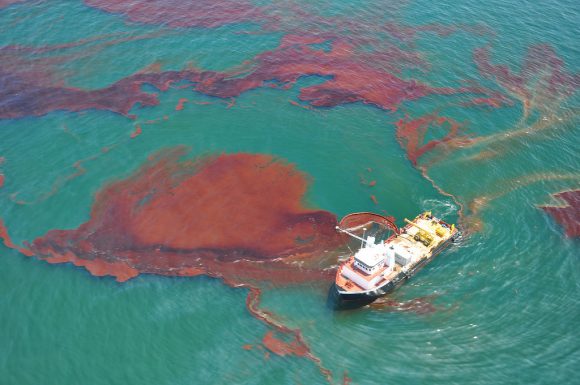
For the oil industry, the goal is to make drilling safer or at least less damaging to the environment and wildlife. A critical improvement is investing in faster oil spill response by having better equipment and plans to contain and clean up spills quickly.
When exploring for new oil reserves, companies can use quieter seismic exploration methods that are less disruptive to marine life than traditional, loud airguns.
Finally, stricter rules are needed for methane monitoring to prevent harmful gas leaks from oil and gas operations. While these steps can reduce some harm, the ultimate way to truly protect wildlife and the environment from oil is to gradually stop using it altogether.
Sources:
Leave a Reply