

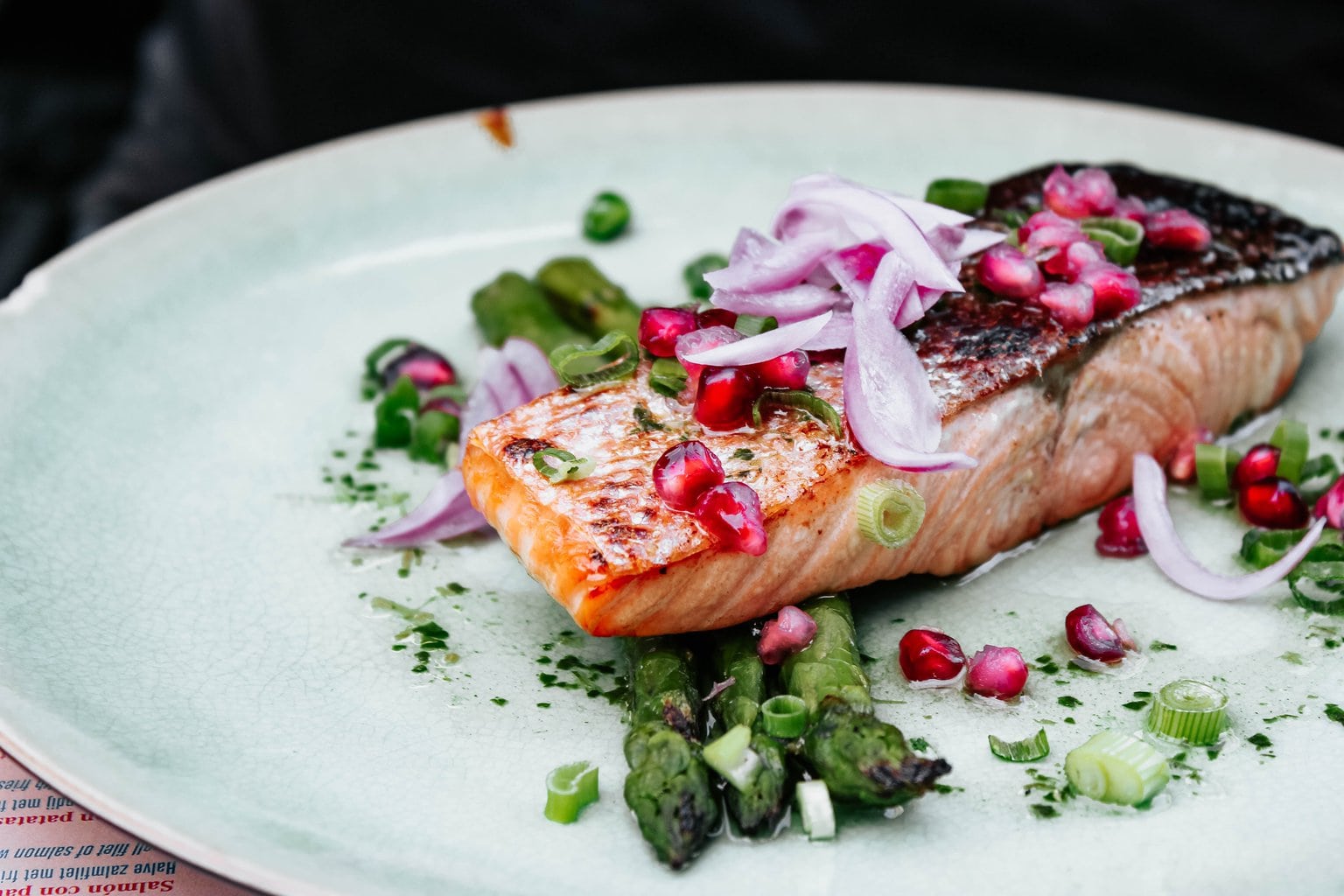
Ever heard about farmed salmon? Where do you think the salmon that you put on the dining table come from? Is it from the river, from the ocean, or from a farm? Well, maybe for you that’s not a problem where the salmon come from, but if you look deeper you might want to find out.
Farmed salmon has existed for a long time, and it is thought to be one of the most effective ways to fulfil the demand for the fish in culinary industry. However, many people are now against consuming farmed salmon.
What’s the problem with farmed salmon? We found an article in The Guardian that will give you an additional point of view toward this. Find out here.
The Quality of the Salmon
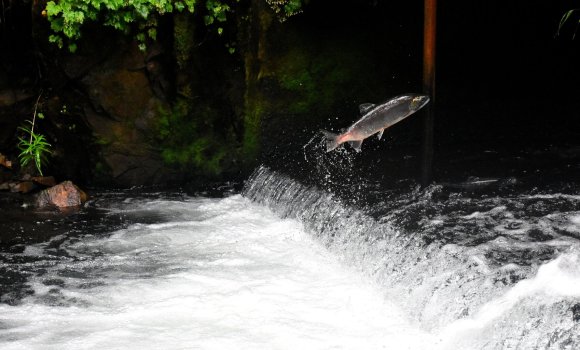
Many chefs don’t like farmed salmon, calling it a “poor product” because it doesn’t meet their quality standards. “I think it’s such a poor product, and because of the effect that it has on wild salmon, I won’t serve it,” said head chef at the Palmerston restaurant in Edinburgh, Lloyd Morse.
We all know, armed salmon doesn’t taste or feel the same as wild-caught salmon. Wild salmon grow up in their natural homes, eat a varied diet, and end up with a richer flavor and firmer texture. Farmed salmon, on the other hand, is raised in crowded, artificial places and given a controlled diet.
This makes it taste milder and have a less satisfying texture. Chefs care about giving their customers the best dining experience, so this is a big concern for them. Farmed salmon can also have more ‘strange’ stuff in it, like antibiotics and chemicals.
These things are used to fight off diseases and pests that can easily spread in the tight spaces of fish farms. Having these in farmed salmon not only affects the taste but also makes people worry about their health and the environment.
Some chefs also want to do things in a way that’s good for the Earth and follows ethical rules. They don’t like how the salmon farming industry sometimes uses too many antibiotics and releases waste into the oceans, which can harm the environment. So, chefs who care about sustainability and doing the right thing are not big fans of farmed salmon.
Negative for the Wild

Don’t you know that industrial salmon farming has hurt the wild salmon population in the UK since the 1970s? The reason is because of several problems that are all connected like spider web and make the situation serious.
First, farmed salmon sometimes run away from fish farms into the wild waters. When they mix with wild salmon, it’s a problem. They can breed, and this mix-up can make wild salmon weaker and less adaptable. It’s also tricky for people trying to protect wild salmon because they can’t easily tell them apart.
Second, diseases and parasites that affect farmed salmon can spread to the wild ones. In the cramped conditions on fish farms, these diseases and pests can quickly multiply. When they get out into the wild, they can make wild salmon sick. To deal with this, more chemicals and antibiotics are used in fish farming, which is not good for the environment and can lead to antibiotic resistance.
It doesn’t stop there. Farmed salmon and wild salmon also compete for food and space. Farmed salmon are kept closely together in cages and eat a lot, which affects the prey available to wild salmon and messes up the local ecosystems.
There is one more thing that we need to understand. Waste from salmon farms goes into the ocean, bringing pollutants and extra nutrients. This can lead to problems like harmful algae blooms and other issues that hurt the homes of wild salmon.
Growing Support

The “Off the table” campaign is getting popular, with more than 150 restaurants supporting it already. This campaign is all about telling chefs and restaurants not to serve farmed salmon since people are starting to realize the problems with the salmon industry and want to eat more responsible food.
The main idea of the campaign is to show why farmed salmon is not good. It’s not just about the taste but also about how it can hurt the planet and your dining experience. By getting lots of restaurants to join this cause, the campaign wants to tell everyone, including customers, the seafood industry, and the people who make the rules.
One reason the campaign is working is that people like us want to eat food that’s kind to the Earth and made the right way. We’re more aware of the environment and ethics when we pick what we eat nowadays.
Restaurants notice this, and they’re changing their menus to match our values. They’re saying no to farmed salmon and finding better seafood options. The campaign’s success also comes from the teamwork between restaurants and groups that care about the environment.
These groups help the restaurants with information and support to switch to better ways of getting seafood.
The Famous Salmon Consumers

The “Off the table” campaign has also got a lot of help from famous restaurants and chefs, making it a big deal in the cooking world. Their involvement shows that this campaign is super important. It even includes restaurants that have Michelin stars.
When the top-level restaurants in the cooking world join in, it is like “We care about serving food that’s good for the planet and our reputation too.” Therefore, their support makes the issue about farmed salmon even more serious.
Another support also come from zero-waste restaurants. These places care about not wasting food and not hurting the environment. By supporting the campaign, they say, “We want our food to be responsible and good for the Earth.” This shows how important it is to care for the environment.
Not only restaurants, even some galleries are part of the campaign, which is interesting. Some well-known names like the St John restaurant group, the Tate galleries, and Tom Hunt’s Poco Tapas bar in Bristol are in on this campaign.
So, will you be part of this campaign? Will it be better for the environment if we only eat wild salmon? Let’s follow this cause in the future.
Sources:
https://vancouver.surfrider.org/
Leave a Reply