

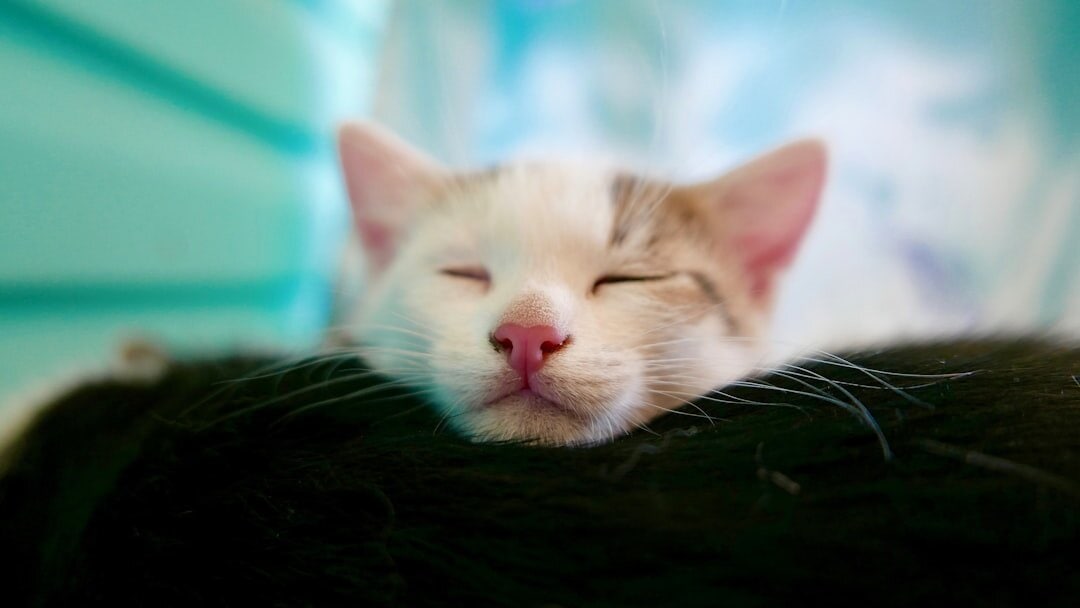
Cats often curl up on laps, chests or even heads because they enjoy closeness and comfort. While they usually nap on quiet perches or tucked-away corners, they often shift to their humans for sleep over time.
Don’t you know that this behavior comes from instincts that include warmth, safety and social bonding? So, maybe you should not very upset when they do such kind of things because it means that they believe that you are safe and one of their “friends”.
Well, before we judge our cats for their behaviors, let’s talk further about how cats mark territory, seek warmth and safety, bond with owners and choose specific sleeping spots, using examples that reflect their habits.
Cats Mark Territory by Sleeping

Cats have scent glands in their cheeks, heads and paws, which they use to mark people or places they trust. When they sleep on you, they leave behind pheromones that signal comfort and familiarity.
This is part of how cats form social groups in the wild. By transferring their scent to you, they mark you as part of their social circle. Even cats that live alone still rely on this marking. A cat that rubs against your leg before curling up on your lap is repeating the same behavior it would use in a colony.
Scent-sharing helps build trust and reduces anxiety. By doing this before sleep, cats create a shared scent space, which lowers their stress and improves their feeling of safety. Cats who mix their scent with yours tend to feel more at ease in your presence.
This reduces unwanted behaviors like scratching or hiding. When a cat sleeps on your chest or lap and purrs gently, it is not only relaxing but also reinforcing your bond through scent blending. These actions reduce stress and help cats feel more settled in their environment.
Cats Seek Warmth and Safety
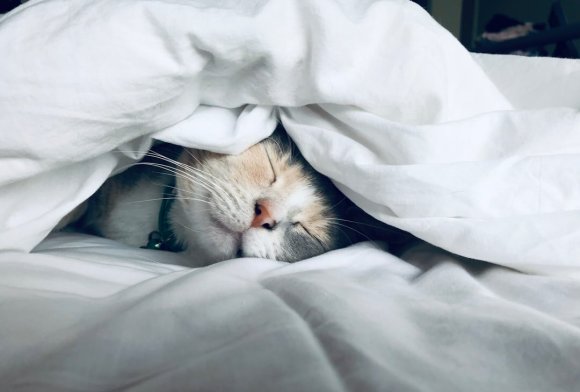
Cats are naturally drawn to warmth. Sleeping on a human gives them a steady heat source, which helps them relax and reach deeper sleep. This is why cats often seek out sunny spots, heated blankets or warm laps. Since body heat is consistent, many cats return to their owners for long naps.
Sleeping on a person also provides a sense of protection. Cats are most vulnerable when asleep, so they look for secure places to rest. A cat that chooses your lap or chest likely views you as a safe figure. Resting with their back to you or near your legs shows trust, since they feel guarded enough to lower their alertness.
Cats raised in litters often sleep on top of their siblings, which gives warmth and a sense of security. When they mimic this with a human, they are drawing from early experiences. Being close to the rhythmic sounds of breathing or heartbeat triggers comfort they remember from kittenhood.
Owners who become a substitute for those early safe bonds often notice their cat prefers sleeping near them rather than on furniture or alone. Do your cats also do it to you?
Bond and Affection
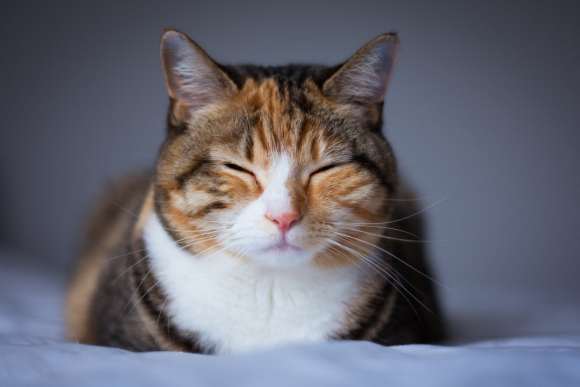
Sleeping close is one of the ways cats show love. When a cat naps on you, it reinforces social bonds through touch and scent. Since cats are territorial and cautious, choosing to rest on a human is a strong sign of trust. It means the cat feels safe enough to drop its guard and stay near.
Even independent cats often form strong attachments. Cats that rest with their owners are often calmer and more affectionate throughout the day. Some adjust their routine to match their humans, waiting until the evening to snuggle or shifting sleep cycles to be nearby. These changes show a clear emotional connection that goes beyond routine.
Before falling asleep, some cats engage in behaviors like head-butting or gentle grooming. These are social actions seen in wild cat groups and domestic colonies. Mutual grooming and rubbing show closeness.
When a cat licks your hand or face before curling up nearby, it’s participating in a social behavior it would normally reserve for trusted companions. These actions reinforce the relationship and help both the cat and the owner feel emotionally connected.
Why Do Cats Choose Specific Spots?
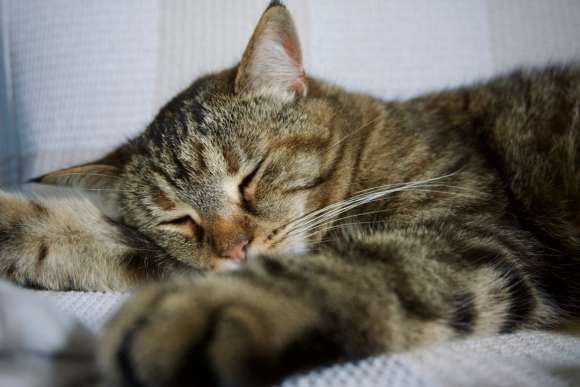
Where a cat chooses to sleep on you often reflects both instinct and comfort. Many cats sleep on their owner’s head because it tends to stay still during the night. Compared to tossing arms or legs, a pillow area provides a stable place to rest.
In addition to that, cats also associate eye contact with trust and may sleep near your head for communication. Maybe the next time it does it to you, you should laugh it off rather than getting angry to your cat.
Your chest offers warmth and the sound of a heartbeat, which mimics early life in a litter. The steady rhythm and breathing help soothe nervous cats or those that need emotional support. Cats that choose the chest often seek the closeness and security it offers, especially during naps or when resting together during quiet moments.
Laps are among the most favored sleeping spots because they offer warmth, stability and the chance for affection. Cats that jump onto a lap for a nap are usually looking for both comfort and attention.
Some may even knead before settling down, a behavior they learn as kittens to stimulate milk flow from their mothers. This action often continues into adulthood as a sign of deep comfort.
It’s important to note that not all cats like to share sleeping space, especially on beds. For light sleepers or those with allergies, cat hair and dander can affect rest or health.
Still, for most owners, a cat choosing to nap on them is one of the clearest signs of affection and trust. Sleeping together can strengthen the human-feline bond and give both comfort during quiet hours.
Sources:
Leave a Reply