

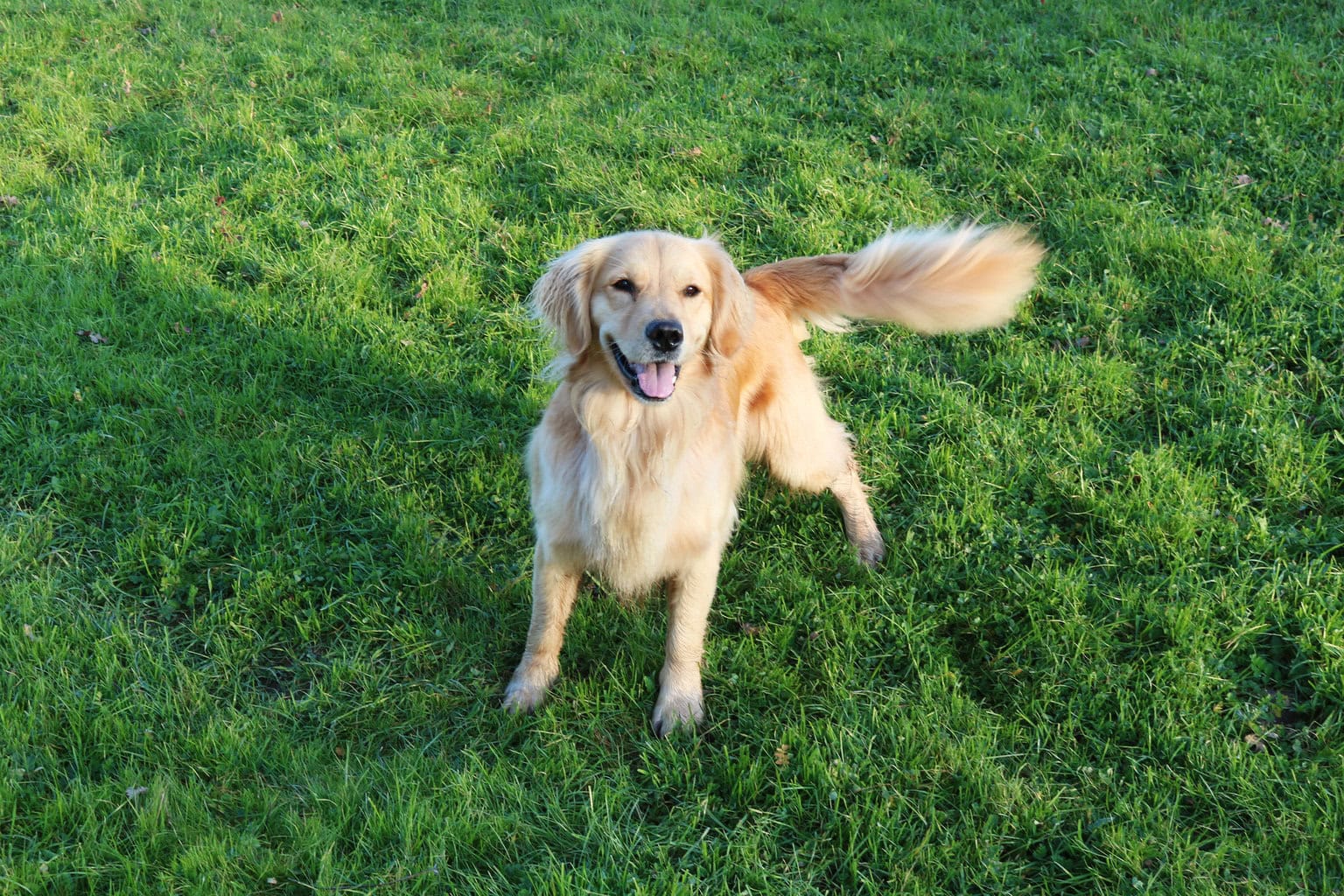
Dogs have followed their humans since the first wolves formed bonds with people. This connection grew from instinctual need, safety, food and community. Dogs today still show this loyalty, as they often follow their owners from room to room.
While this behavior is mostly affectionate, it can sometimes point to anxiety or boredom. Let’s talk further about why dogs follow their owners, how anxiety plays a role, how to manage the behavior and how breed instincts influence it.
Why Do Dogs Follow Their Owners?
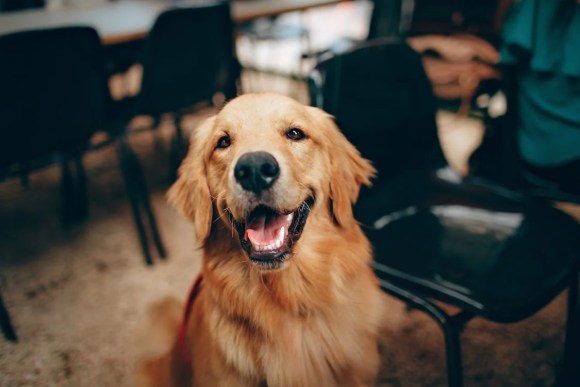
Dogs are social animals who form strong attachments. They follow their humans because they view them as pack leaders. When a dog walks behind you from the kitchen to the backyard, it is acting out a centuries-old instinct.
Domestic dogs stay close to the ones they trust for protection and companionship. This behavior strengthens when they receive reliable care like regular walks and feeding. A dog that waits by the door when you leave or lies beside you while you work is showing its pack loyalty.
This type of following is often reinforced by daily routines. Dogs associate certain sounds and movements with meals, play or affection. When those cues repeat consistently, dogs respond by sticking close, ready to take part.
Inconsistent routines, however, may increase following as dogs seek reassurance. When owners miss feeding times or reduce attention, dogs may trail more to stay engaged. Basically if you forget to pay your tribute to them, they will ask for more.
Certain breeds follow more due to their history. Dogs bred to herd, like Border Collies or Shetland Sheepdogs, naturally monitor movement. These dogs were once responsible for keeping livestock together, so they apply the same vigilance to their people.
For them, staying close is less about neediness and more about doing their job. Providing mental tasks or interactive play satisfies this drive and reduces shadowing behavior.
Following Too Much?

When a dog follows obsessively, it may be anxious. This is especially true for animals rescued from neglect or unstable homes. A dog that has been abandoned before may fear it will be left again.
These dogs may stay close even in familiar settings, sticking to their owner’s side or becoming distressed when left alone. This behavior can look like loyalty but is driven by insecurity.
Loud environments or changes in household dynamics can trigger anxious behavior.
Noises like fireworks or thunder often cause dogs to seek safety, usually by staying near their owners. Some dogs stop eating or avoid rest if they cannot be near their trusted person. This level of stress needs to be addressed for the dog’s well-being.
Working with a vet or behavioral specialist is often the first step. Professionals can identify whether the following stems from anxiety, attachment, or a combination of both.
Training methods that involve safe separation, positive reinforcement and gradual desensitization help dogs relax when alone. Providing calming spaces and consistent routines reassures dogs and reduces the compulsion to follow constantly.
How to Manage It

Not all following needs correction. However, if it becomes disruptive, like causing tripping in the kitchen or preventing the dog from resting, it should be managed gently.
Dogs respond well to structure and boundaries when those are introduced calmly and consistently. Teaching them to stay in a designated area while still feeling included reduces dependence.
Reward-based training encourages independence. When dogs remain on a bed or in a crate while you move around, they should receive praise or treats. Over time, they learn that calm behavior brings rewards.
This builds confidence and helps dogs enjoy space without anxiety. It also eases stress for owners who need to focus or move freely around the home.
Social interaction with other dogs or people also plays a role. Dogs who spend all their time with one person may struggle with separation. Taking dogs to parks, daycare or arranging playdates expands their comfort zone.
Once they realize they can have fun or relax without constant proximity, the need to follow tends to ease. Safe enclosures like indoor pens or baby gates provide independence while keeping the dog secure.
Dogs that rest behind a gate while watching their owner often relax with practice. Giving them chew toys, puzzles or calming items helps transition from close supervision to self-soothing. The goal is not to discourage connection, but to teach balance.
Breeds

Genetics shape much of how dogs behave, including their tendency to follow. Herding breeds like Collies, Heelers and Australian Shepherds are especially prone to staying close. Without livestock to manage, these dogs often focus on their humans.
They may gently nudge, circle or bark to guide movement. These behaviors come from centuries of working alongside humans and livestock.
Working breeds like German Shepherds, Dobermans and Boxers were bred to guard. They often follow to protect or observe. These dogs may place themselves between their owner and a perceived threat or refuse to rest unless they see all members of the household.
Giving these dogs roles like guarding a space or fetching items helps channel that loyalty into productive behavior. Scent hounds such as Beagles or Basset Hounds follow less to protect and more out of curiosity. Their noses lead them, and their people often become part of the trail.
Dogs that were bred to track tend to move around more, but they often follow owners indoors to check for signals or treats. If not mentally stimulated, they may fixate on your movements to stay entertained.
Understanding breed tendencies helps owners set the right expectations. A high-energy herder needs mental and physical outlets or it will latch onto the closest source of stimulation, often its owner. Matching daily activities to a dog’s history and breed need reduces unwanted following. When needs are met, dogs feel less driven to monitor every step you take.
Sources
Leave a Reply