


A festive dinner is a symbol of joy, where you and your loved ones come together and share a meal. Yet, while these feasts are a cornerstone of celebrations, a significant portion of holiday goods, including food, end up in landfills. This juxtaposition raises a vital question about the origin of food waste and how individuals can influence its outcome.
Tracing the Waste Down the Supply Chain
Food waste occurs at every stage of the supply chain, from post-harvest to processing and retail. For instance, temperature is the leading cause of over-ripening, deterioration and microbial growth following harvesting, underscoring the need for optimal refrigeration and ventilation.
Proper drying and storage are also vital at this early stage. A staple crop like corn must have a moisture content of 13% to 15% to ensure a long, safe shelf life. Even a minute deviation could ruin the product.
The fresh produce industry’s standard for food aesthetics is another driver of waste. Fruits and vegetables that are misshapen, too small or have skin blemishes often get filtered across the supply chain. Whereas farmers tend to leave these items in the field, distributors and retailers might reject entire shipments due to imperfections.
Overall, Americans waste over 40% of food worth $408 billion, although trends vary worldwide. It undermines farmers’ efforts to grow crops and overlooks global food insecurity and the broader environmental issue of landfilling.

The Consumer’s Role in Festive Food Waste
The New Jersey Department of Environmental Protection states that U.S. households generate 25% more trash between Thanksgiving and New Year’s, resulting in approximately 1 million excess tons of debris annually. Food, in particular, is a significant contributor to the issue.
Further studies support this, with research indicating that consumers are responsible for 61% of food waste in developed countries. During the holidays, there is a deep-rooted fear of not having enough food for guests, as many view this tradition as an expression of generosity and care. The pressure leaves you buying impulsively and cooking too many dishes, resulting in a mountain of leftovers.
The cycle of over-purchasing and dealing with excess leftovers is familiar to people everywhere. Yet, a few mindful changes can make a tremendous difference in regaining control of your kitchen during the festive season.

Actionable Steps You Can Take to Reduce Waste
With so much to do around the holidays, the last thing you want to worry about is contributing to the world’s food waste crisis. Fortunately, there are easy, proactive steps you can take to ensure you shop wisely, have fewer leftovers and reduce spoilage.
Plan Like a Pro
Having a solid plan is the most effective way to minimize excess food waste during the holidays. Take a quick “shelfie” photo of your pantry and fridge and write a thorough shopping list before heading to the store.
It is best to collect all of the recipes you plan to use in advance so you can see exactly what ingredients you’ll need. A precise checklist can prevent impulse buying as you peruse the aisles.
Meal planning apps provide a modern approach to organizing recipes and scaling ingredients according to the number of people you’ll be feeding. You’ll find that this strategy can cut waste, save money and reduce last-minute stress, allowing you to enjoy the holiday celebration.

Master Your Storage
Strive to master storage and reimagine leftovers during the festive season and prevent large-scale, post-harvest losses. This includes managing temperature, moisture and air in your kitchen.
The U.S. Food and Drug Administration recommends setting your refrigerator at or below 40° Fahrenheit for optimal food safety. Meanwhile, your freezer should maintain a temperature of 0°F at all times. You can further extend the freshness of ingredients and leftovers by using airtight containers and vacuum sealers to reduce oxidation.
Once you’ve safely stored the food, consider how you use your leftovers. They don’t have to be a repeat meal. You can use them for other dishes — for example, turkey meat could be the base of a hearty, winter chili, while you can toss sauteed vegetables into a savory frittata.
Close the Loop with Composting
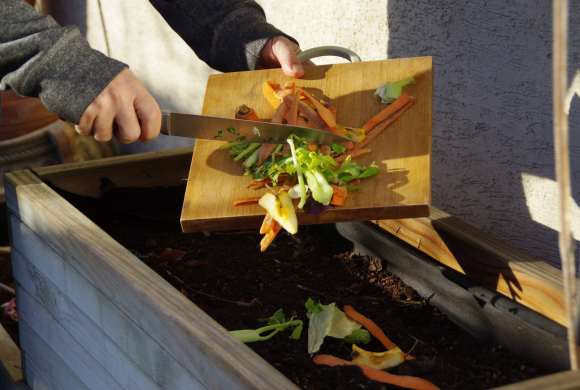
Composting is a sustainable approach to a greener kitchen. Even with perfect planning, you’ll still likely have some food scraps. Rather than throwing them away and contributing to the nation’s overflowing landfills, start a compost bin at home.
Under the right conditions, well-maintained compost piles will be ready in three to five months, just in time for spring gardening. In addition to recycling food waste resourcefully, composting requires minimal effort and equipment, saves you money on new soil and creates a nutrient-rich material for improved plant growth.
A More Sustainable Celebration
Adopting sustainable food practices to reduce waste doesn’t mean you must forgo an elaborate holiday celebration. Instead, you should plan a festive meal with greater intention and appreciation. Focus more on gratitude and community over abundance this year and embrace new habits for a more joyful and meaningful sit-down dinner.
About the Author

Writers Bio: Jane Marsh is an environmental journalist and Editor-in-Chief of Environment.co, where she covers climate policy, renewable energy, and sustainable living. With over four years of editorial experience, her work has been featured on Renewable Energy Magazine, Biofriendly Planet, and Earth.org. Jane specializes in making complex environmental topics accessible and actionable for everyday readers.
Leave a Reply