

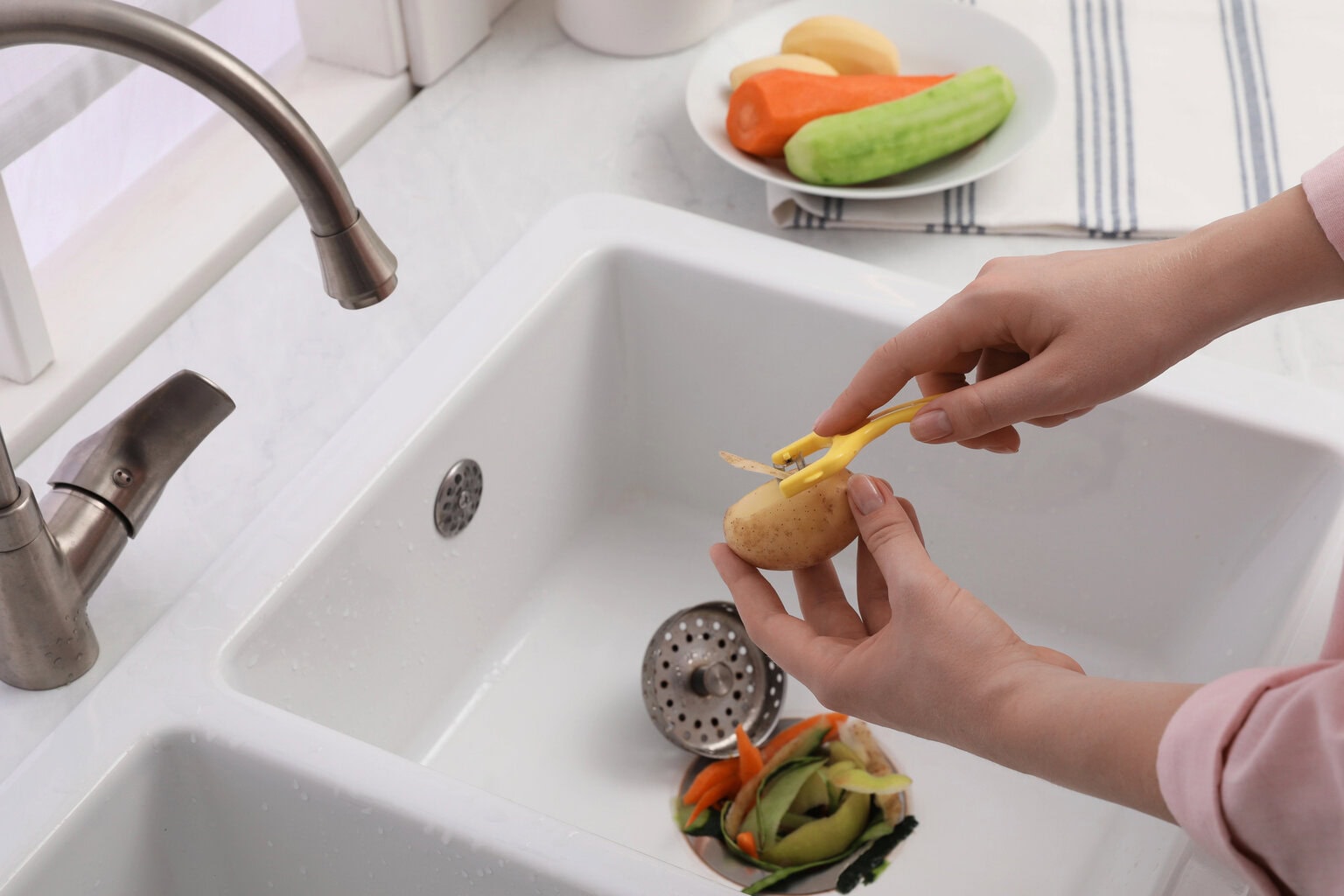
Making your home more eco-friendly doesn’t always mean dramatic changes. Sometimes, the smartest shifts happen right in your kitchen—like how you deal with everyday food scraps.
We all toss out bits of leftovers, peels, and trimmings. But once they hit the trash, they’re out of sight and out of mind. What happens next? That’s where things get messy—especially for the planet.
While composting is one great option, it’s not always doable for everyone. That’s where garbage disposals quietly come in. They don’t just make clean-up easier—they can actually help reduce landfill waste, lower methane emissions, and keep your kitchen running a little greener.
Here’s why more people are starting to look at garbage disposals as more than just a convenience—and how they might fit into a more sustainable routine.

1. Reduces Methane-Producing Waste in Landfills
It’s easy to forget that food scraps tossed in the trash don’t just disappear—they often end up in landfills, sealed in plastic bags with no air. And When organic material decomposes in the absence of oxygen, it generates methane—a greenhouse gas that’s far more damaging than carbon dioxide.
Even banana peels and veggie scraps can contribute when sent to the landfill. It adds up fast, especially in households that cook often.
By using a garbage disposal, you’re keeping a portion of that waste out of the landfill entirely. Instead of sitting in a bin creating harmful gas, food scraps are diverted into the wastewater system—where in many cities, they’re treated or even repurposed. It’s a small change with a surprisingly wide impact.

2. Turns Food Scraps into Renewable Resources
Here’s something most people don’t realize: when food waste goes down the drain, it doesn’t just vanish—it often gets put to work.
Many wastewater treatment plants are now equipped to capture the organic matter from food scraps and convert it into biogas or agricultural fertilizer. So instead of sitting in a landfill releasing methane, those scraps can actually support renewable energy systems or be returned to the soil in useful ways.
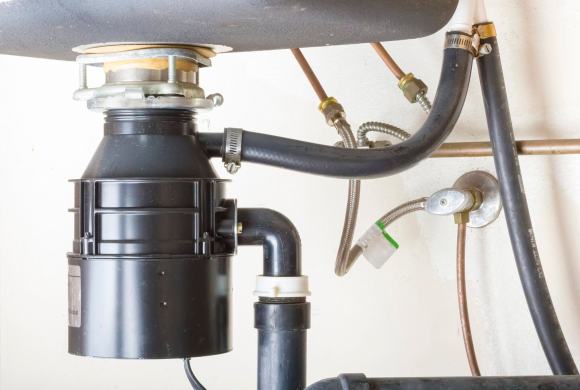
That’s where garbage disposals—like compact, sink-fitted scrap grinders—come in. These smart-systems fit under your sink and grind food into particles that flow safely through plumbing. In many homes, they’ve become a convenient, low-waste alternative to trashing leftover bits.
Of course, this depends on local infrastructure, but in areas where nutrient recovery or waste-to-energy programs exist, using disposal is one of the easiest ways to support the process without changing much in your daily routine.
3. Complements Composting, Doesn’t Replace It
Even though composting is still considered one of the best ways to manage kitchen waste—but it isn’t always practical. Not all scraps can go into a backyard compost pile, especially greasy or cooked items, citrus peels, or small bones.
That’s where a garbage disposal helps fill the gap. It’s not about choosing one method over another—it’s about using both where they make the most sense. You can compost what you can and grind the rest. The result? A lot less waste is headed to your trash bin.
This combo works especially well for people who live in urban settings or shared spaces where full-scale composting isn’t always easy.
4. Reduces Kitchen Odors and Trash Volume
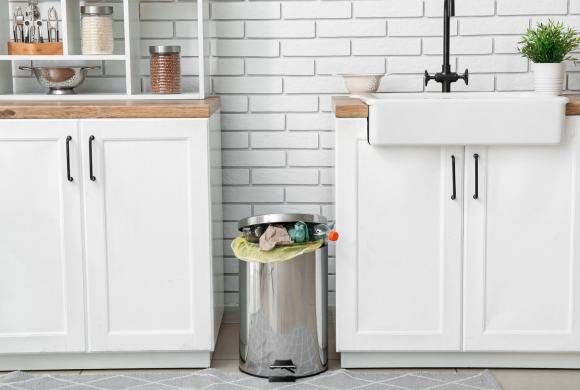
Let’s be honest—kitchen trash can get gross fast. Rotting food doesn’t just smell bad; it also attracts flies and pests, especially in warmer months.
With a garbage disposal, you’re sending those scraps away before they have a chance to sit around. That means fewer bags used, less smell in the bin, and less waste sitting curbside each week. A small shift that makes your kitchen feel cleaner.

5. Smart for Small Homes, Renters, and Apartments
Not everyone has space for a compost pile—or even room to store full-size trash bins. For people in small apartments, rental homes, or places without yard access, garbage disposals offer a clean, space-saving alternative.
They’re helpful in buildings with shared trash, where food waste piles up fast. With a disposal, you can manage scraps on the spot, without waiting for trash day or dealing with smell and mess in tight quarters.
6. Helps Build Better Waste Habits
One underrated benefit of using a disposal? You start thinking about what you’re throwing away.
When you take an extra second to decide whether something goes in the bin, the compost, or down the drain, you build awareness. That awareness often spills over into other habits—shopping smarter, reducing leftovers, and paying more attention to how much you waste in the first place.

Wrap-Up
A garbage disposal won’t solve food waste alone—but it helps change how we handle everyday scraps. And in a sustainable home, those small shifts really add up.
If you’re looking for practical upgrades that support cleaner habits, less waste, and a smoother kitchen routine, this is one of those solutions that’s easy to overlook—but worth considering.
Leave a Reply