


The world’s population reached 8 billion in 2022 and grows by 1% every decade and we need more food for everyone. Global food security means all people have enough safe, nutritious food at all times.
However, 854 million people are undernourished, and 25,000 die daily from hunger, mostly in developing countries. Modern eating habits, like wanting more meat, strain Earth’s resources, harming food supplies and warming the planet.
Let’s talk further about what food security is, why it’s at risk, its effects when threatened, and how to protect it.
What Is Global Food Security?

Global food security means everyone has access to enough food that is safe and healthy. The United Nations says it includes physical, social, and economic access to food meeting people’s needs. Imagine a family always having bread, vegetables, and fruits on their table.
Yet, 854 million people lack enough food, and hunger kills more than major diseases like malaria. In 2020, the COVID-19 pandemic added 118 million hungry people, showing how crises disrupt food supplies, especially in poorer countries.
The Global Food Security Index ranks 113 countries on food access. In 2022, Finland, Ireland, and Norway scored highest, with 80-84 points, offering affordable food and safety nets. Imagine a Finnish market with fresh apples for all.
Syria and Haiti ranked lowest, scoring 34-37, with scarce food and poor quality. In Haiti, people might walk miles for a small meal. Africa faces the most hunger due to infertile land and conflicts, like the Ukraine-Russia war, which cut grain supplies in 2022.
Food security varies because of resources and events. Wealthy countries import food easily, but poorer ones struggle. Imagine a desert village with no crops, relying on costly imports. The 2022 war in Ukraine stopped wheat exports, raising bread prices in Egypt.
Natural disasters, like floods in Pakistan in 2023, destroyed farms, leaving families hungry. These challenges show why ensuring food for all is a global goal, needing cooperation to keep markets full and prices fair.
Why Is Food Security at Risk?

Population growth threatens food security. By 2050, 10 billion people will need food, up from 8 billion today. Growing demand strains resources like water and land. Imagine a farm using all its fields but still not growing enough corn.
In richer countries, people eat more meat, which needs more land and water than plants. Producing one kilogram of beef uses 15,000 liters of water, compared to 1,250 liters for rice, harming the planet.
Food waste is a major problem. About 1.2 billion tons of food, one-third of global supplies, is thrown away yearly. Imagine a supermarket tossing out fresh bananas because they’re slightly brown.
If rich countries cut waste by 50%, 63 million undernourished people could eat. In 2023, India lost 40% of its produce due to poor storage, worsening hunger. Food waste also harms the environment, as rotting food in landfills releases methane, a gas that warms the Earth.
Climate change worsens food risks. Extreme weather, like droughts in Ethiopia in 2024, cuts crop yields. Imagine a farmer’s maize field drying up under a scorching sun. Over 35% of farmland has degraded since 1960 due to heavy fertilizer use, reducing soil fertility.
In Brazil, deforestation for soy farming caused droughts, hurting harvests in 2023. These changes make it harder to grow food, especially in Africa and Asia, where hunger is already widespread, threatening global stability.
What Happens When Food Security Fails?
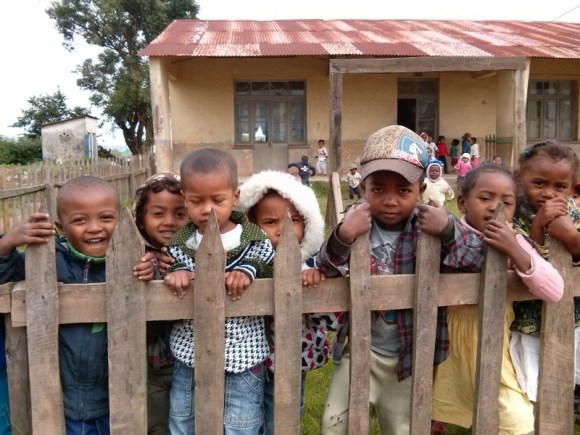
Without food security, hunger rises, especially in poorer countries. In 2023, 5.7 million children faced starvation, weakened by hunger and unable to fight diseases like diarrhea. Imagine a child too tired to play because they haven’t eaten.
Famine can spread, as seen in Somalia in 2022, where drought left millions without food. Rising hunger leads to malnutrition, harming health and growth, and can cause long-term problems like stunted development in young people.
Food shortages raise prices, hurting economies. In 2022, wheat prices soared 30% after Ukraine’s war disrupted exports. Imagine a bakery charging double for bread, unaffordable for many.
High prices reduce people’s income, lowering productivity and causing job losses. In Yemen, food costs ate up 70% of household budgets in 2023, slowing the economy. This cycle increases poverty, as families can’t buy enough food, creating stress and reducing their ability to work or plan for the future.
Food scarcity can spark conflicts. In 2021, food shortages fueled protests in Sudan, leading to unrest. Imagine people marching for affordable rice, clashing with police. Wealthy countries may buy up food from poorer ones, leaving less for locals.
In 2023, India banned rice exports to save local supplies, raising prices in Africa. Such tensions can lead to wars or migration, as people flee hunger, like 2 million leaving Venezuela from 2015-2020, seeking food and safety, destabilizing regions.
How Can We Protect Food Security?
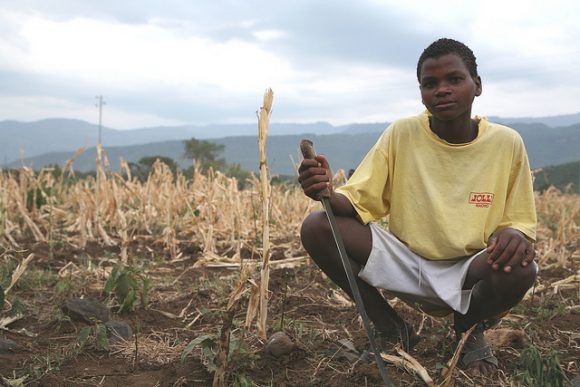
To protect food security, food distribution must improve. Reducing waste in rich countries can feed millions. Imagine a restaurant donating leftover soup to shelters. In 2023, France’s food banks saved 130,000 tons of food, feeding 2 million people.
Poorer countries need better storage, like cold rooms for vegetables. In Nigeria, solar-powered fridges cut tomato waste by 40% in 2024. Sharing food fairly ensures everyone has enough, reducing hunger in places like Haiti.
Sustainable farming can boost food supplies. Using fewer chemicals preserves soil. Imagine a farmer in Kenya planting trees with crops to keep soil fertile. In 2022, Ethiopia’s terraced farms increased yields by 20%, feeding more families.
New technologies, like drought-resistant seeds, help crops survive heat. In India, such seeds raised rice yields 15% in 2023. Sustainable practices protect nature, ensuring land stays productive for future harvests, unlike overused fields that turn to dust.
Global policies are key. The European Union’s 2022 €1.5 billion fund helped farmers grow crops on 4 million hectares after Ukraine’s war. Imagine fields blooming with wheat again. Better land use and price controls can stabilize food markets.
In 2024, Brazil subsidized small farmers, cutting food prices by 10%. Educating people about waste, like composting in Japan, reduces landfill methane. By changing how food is grown, shared, and valued, the world can ensure no one goes hungry.
Sources
Leave a Reply