


Wastewater treatment is critical in maintaining public health and preserving the natural environment. It involves the removal of pollutants from water that have been used in homes, industries, and agriculture before it’s released back into the environment or reused.
Also, the significance of treating wastewater can’t be overstated, as it ensures water sustainability, protects aquatic ecosystems, and supports economic development by providing clean water for various uses. But why is wastewater treatment important?
Read on to learn the reasons.
The Role Of Chemicals In Wastewater Treatment

Chemicals play a crucial role in the wastewater treatment by effectively removing contaminants and enhancing water quality. For instance, using calcium chloride in water can be an excellent idea due to its versatile properties. It adjusts the hardness of water, which is essential for preventing scale formation and maintaining the efficiency of water heating systems.
Also, calcium chloride can help remove impurities, such as oils and greases, by facilitating their coagulation and extraction. It also acts as a disinfectant, killing harmful bacteria and viruses, thereby making the water safer for release or reuse.
Overall, chemical treatments can help achieve the standards required for treated water, ensuring it’s safe for discharge or reuse.
Economic Impact Of Wastewater Treatment
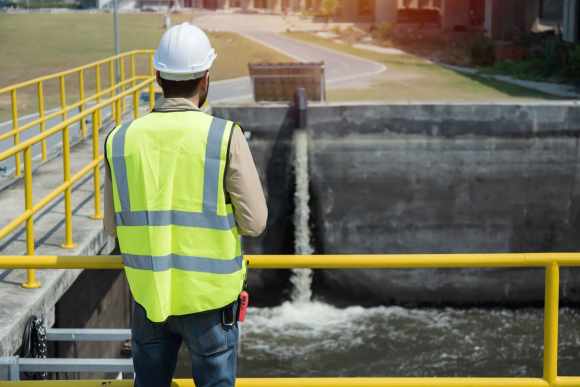
Wastewater treatment has a substantial economic impact. Below are the economic benefits of wastewater treatment:
Encouragement Of Technological Innovation
The imperative to enhance wastewater treatment processes continuously drives technological innovation and development. Companies like Amicus Chemical Solutions are leading this push by creating cutting-edge technologies and chemical solutions. These innovations boost the efficiency of treatment methods and significantly lessen their ecological footprint.
Through their efforts, advancements such as improved filtration systems, chemical treatments, and energy-efficient operations are being developed, setting new standards in the industry and fostering a more sustainable approach to managing wastewater.
Savings On Health Costs
Wastewater treatment systems can enhance public health by reducing the prevalence of waterborne diseases and improving sanitation standards. By effectively removing pathogens and pollutants from water, these systems can drastically cut healthcare expenses associated with treating illnesses such as cholera, dysentery, and typhoid. A healthier population means reduced spending on medical treatments and minimizes economic losses linked to decreased productivity due to illness.
Consequently, the broader societal benefit is a more robust workforce and lower public health costs, underscoring the significant economic advantage of advanced wastewater treatment facilities.
Boost To Local Economies
Clean water is vital for a range of industries such as agriculture, pharmaceuticals, and food processing, where quality and safety standards are stringent. Wastewater treatment facilities play a crucial role by supplying these sectors with dependable, treated water, thereby underpinning their economic activities. This support not only facilitates job creation but also enhances economic stability across communities.
Furthermore, advancements in wastewater treatment technology have led to more energy-efficient processes. These improvements help reduce operational costs for businesses and encourage environmentally sustainable practices, further contributing to economic and ecological resilience.
The Environmental Benefits Of Wastewater Treatment
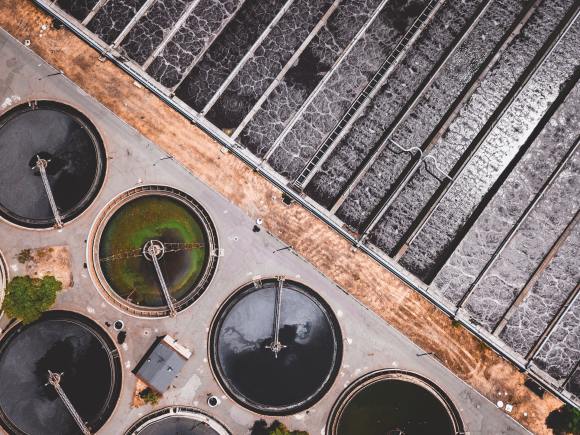
Wastewater treatment is essential for sustaining the environment. The following are the environmental benefits of wastewater treatment:
Reduction In Pollution And Protection Of Ecosystems
The primary environmental benefit of wastewater treatment is the significant reduction of pollutants released into water bodies. By removing harmful substances such as industrial solvents, pesticides, and heavy metals, wastewater treatment facilities can prevent these toxic materials from entering rivers, lakes, and oceans. This can help protect aquatic life and maintain biodiversity and natural habitats.
Prevention Of Disease
Untreated wastewater is a breeding ground for bacteria, viruses, and parasites that can cause numerous diseases, including cholera, typhoid, and dysentery. Through various stages of treatment, such as sedimentation, biological treatment, and disinfection, wastewater treatment plants can effectively reduce the occurrence and spread of these pathogens, thereby protecting public health.
Conservation Of Freshwater Resources
Wastewater treatment also plays a crucial role in the conservation of freshwater resources. Treated wastewater can be recycled for several non-potable uses, such as agricultural irrigation, industrial cooling, and even replenishing groundwater basins. This practice can help conserve fresh water and reduce the dependency on freshwater bodies, ensuring their sustainability for future generations.
Challenges And Future Directions

The landscape of wastewater treatment faces several challenges. Addressing these issues is crucial for future advancements in the field. Below are the challenges and future directions associated with wastewater treatment:
Infrastructure Aging And Capacity Issues
Many wastewater treatment plants are grappling with the challenges posed by aging infrastructure and inadequate capacity. These issues become more pronounced as population growth and urban expansion continue to escalate. For instance, aging facilities often struggle with deteriorating systems that require frequent repairs and can lead to inefficient treatment processes and potential environmental hazards.
Moreover, existing plants may not have been designed to handle the current high volumes of wastewater, leading to overloaded systems that compromise treatment quality.
Stricter Environmental Regulations
As global awareness of environmental issues heightens, governments worldwide are tightening regulations on wastewater treatment to mitigate the impact on ecosystems. These stringent regulations are aimed at significantly reducing pollutants in wastewater discharges, thus protecting water bodies and surrounding environments.
For example, compliance with these newer, tougher standards requires wastewater treatment facilities to adopt state-of-the-art technologies and sophisticated processes. This might include the installation of advanced filtration systems, enhanced chemical treatment stages, or more effective microbial digestion techniques.
Need For Sustainable Practices
The drive towards sustainability is reshaping the wastewater treatment industry. There’s a growing emphasis on implementing practices that treat wastewater effectively and do so in an environmentally friendly manner. This includes the adoption of energy recovery systems, which convert waste into usable energy, reducing the reliance on external power sources and decreasing greenhouse gas emissions. The use of renewable energy sources, such as solar or wind power, in treatment plants is also gaining traction, aligning operational practices with broader environmental sustainability goals.
Moreover, recycling materials from wastewater, such as recovering phosphorus and nitrogen to use as fertilizers, offers a way to close the loop and enhance the overall sustainability of the treatment processes.
Conclusion

Wastewater treatment is vital for protecting public health, preserving the environment, and supporting economic development. The benefits of reducing pollution, conserving water resources, and enhancing public health are clear indicators of its importance. By keeping the information mentioned above in mind, wastewater facilities can continue to upgrade infrastructure, innovate new treatment technologies, and implement sustainable practices to ensure that the benefits of wastewater treatment can be sustained and enhanced for future generations.
Leave a Reply