


When it comes to climate change, headlines often focus on international summits, sweeping policy changes, or global carbon targets. While these large-scale efforts are undeniably important, there’s a quieter but equally powerful force shaping the planet’s future—local conservation.
From protecting wetlands in a single town to restoring native plant species in a city park, these initiatives might not make the evening news, but they’re critical pieces of the climate solution.
Thinking Globally, Acting Locally
The phrase “think globally, act locally” has been around for decades, and for good reason. Climate change is a global problem, but its impacts—and solutions—are often rooted in the places we live. Rising temperatures, droughts, and extreme weather don’t just affect abstract numbers; they touch down in real communities, changing landscapes and threatening local ecosystems.
Local conservation is where climate action becomes tangible. It’s one thing to talk about preserving biodiversity on a global scale. It’s another to remove invasive species from a nearby riverbank, plant native trees, or implement sustainable farming practices in your region. These efforts may seem small on their own, but they’re essential building blocks in creating resilient environments that can withstand and mitigate climate stress.

Nature as Infrastructure
One of the most compelling reasons local conservation matters is that ecosystems act as natural infrastructure. Forests absorb carbon dioxide, wetlands filter water and buffer floods, and healthy soils store carbon. When these systems are protected and restored at the local level, they help to regulate climate conditions and reduce the severity of climate-related disasters.
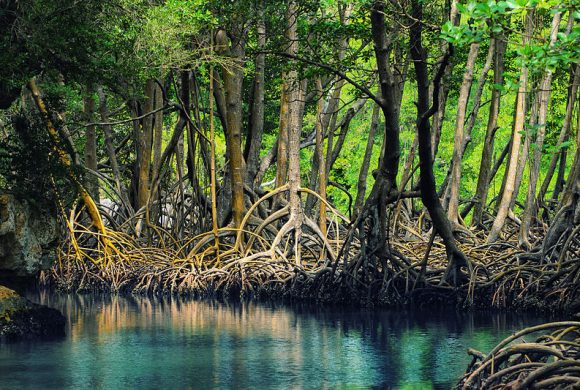
Urban green spaces, for instance, not only offer shade and recreational benefits—they also cool down cities, reduce energy use, and improve air quality. In coastal areas, the restoration of mangroves or marshes can defend communities from storm surges and rising sea levels. These are practical, science-backed solutions that start in neighborhoods, counties, and small towns.
A Community-Driven Approach
What makes local conservation particularly powerful is its ability to bring communities together. Whether it’s a neighborhood cleanup, a community garden, or a school-led reforestation project, these initiatives foster a sense of stewardship and connection. People are more likely to protect what they know and love—and that often starts close to home.
Local programs also allow for more tailored approaches. What works for a desert community in the southwest may be entirely different from a coastal town facing sea-level rise. Conservation at a grassroots level respects these differences and adapts accordingly, often with better long-term results than one-size-fits-all mandates.
In the USA, countless community-led conservation groups are working tirelessly to protect their immediate environments, often partnering with schools, nonprofits, and local governments to maximize their impact. These efforts are particularly valuable in underrepresented or rural areas, where national attention may be limited but the risks of climate change are very real.
Protecting Biodiversity Where It Counts
Biodiversity is often discussed in terms of distant rainforests or endangered species in far-flung places, but it’s just as relevant on a local scale. Native pollinators, birds, amphibians, and plant life all play roles in maintaining the health of ecosystems. When local habitats are destroyed or degraded, these species suffer—and so does the climate balance they help maintain.
Supporting local biodiversity doesn’t have to involve massive land acquisitions or elaborate campaigns. Something as simple as creating pollinator pathways in urban neighborhoods or restoring prairies in agricultural zones can significantly boost ecosystem resilience. And the beauty of this approach is that it brings conservation to people’s backyards, literally.

Turning Awareness Into Action
One of the biggest challenges in the climate conversation is turning concern into meaningful action. Local conservation makes that transition easier. It gives individuals a way to contribute directly—to see results, share knowledge, and build momentum.
It also sets an example. When one town successfully restores a watershed or implements community composting, neighboring towns take notice. Local solutions spread quickly, often inspiring regional or even national policy shifts. This kind of bottom-up change is essential, especially in a world where top-down action can be slow to materialize.
Organizations like The Brady Hunter Foundation help amplify this impact by supporting conservation initiatives that balance community engagement with measurable environmental outcomes. By empowering individuals and local groups to become agents of change, they’re helping build a stronger, more climate-resilient world—one neighborhood at a time.
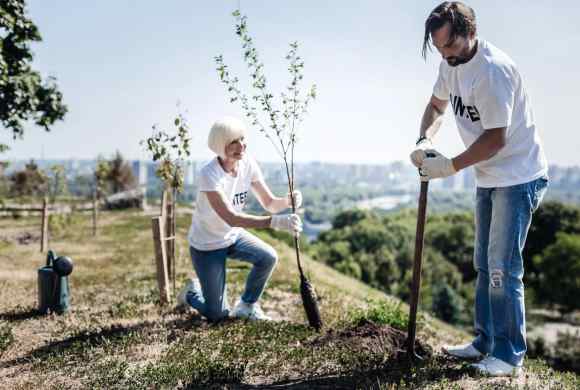
In the fight against climate change, the most effective strategies aren’t always the flashiest. They’re rooted in community gardens, restored wetlands, tree-planting efforts, and clean-up days. They happen quietly, consistently, and often without much recognition. But their value is enormous.
Local conservation is not just about preserving beauty or wildlife—it’s about creating systems that can absorb shock, adapt to change, and support future generations. In a world where climate headlines can feel overwhelming, looking close to home may be the most hopeful—and impactful—place to start.
Leave a Reply