


Pollinators are often taken for granted. Most people associate pollination with bees buzzing between flowers, yet this narrow image overlooks an astonishing diversity of animals that quietly sustain life on Earth.
From ants crawling across forest floors to bats flying through desert nights, pollinators are the invisible workforce behind global food systems and healthy ecosystems. Nearly every meal we eat and much of the natural beauty around us depend on their labor.
As pollinator populations decline worldwide, understanding their importance has never been more urgent. And that’s why we need to talk more about them and their rights.
Hidden Diversity of Pollinators
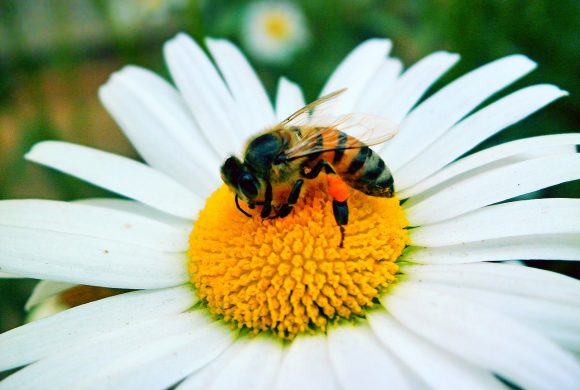
Bees may be the most famous pollinators, but they represent only a fraction of the approximately 350,000 pollinating species worldwide. Pollinators include butterflies, moths, flies, beetles, birds, bats, and even some mammals and reptiles. Each group has evolved unique relationships with plants, often shaped over millions of years.
Butterflies and moths transfer pollen as it clings to their legs and bodies while feeding on nectar. Many moths work at night, pollinating pale, fragrant flowers that bloom after dark. Hawk moths, for example, are specially adapted to pollinate orchids and plants like yucca, which rely almost exclusively on a single moth species for reproduction.
Beetles, among the earliest pollinators in evolutionary history, pollinate simple, dull-colored flowers. Though messy feeders, earning them the nickname “mess and soil pollinators”, they play a vital role in ancient plant lineages.
Bird pollination, known as ornithophily, involves more than just hummingbirds. Nectar-feeding birds such as sunbirds, honeyeaters, and parrots pollinate bright, nectar-rich flowers across tropical and subtropical regions.
Perhaps most overlooked are mammals. Bats are critical pollinators in tropical and desert ecosystems, supporting over 300 fruit species, including bananas, mangoes, and guavas. They also pollinate agave plants used to produce tequila and iconic desert plants like the saguaro cactus.
Even lemurs participate: Madagascar’s black-and-white ruffed lemur is the world’s largest pollinator, uniquely capable of pollinating the towering traveler’s palm.
All those names mentioned above are fundamental to global food security. Of the 1,400 major crop plants grown worldwide, nearly 80% depend on animal pollination.
According to the US Department of Agriculture, more than half of the world’s dietary fats and oils come from pollinator-dependent plants, representing crops worth over $10 billion annually.
Beyond agriculture, pollinators support biodiversity by enabling plants to reproduce. Healthy plant populations stabilize soils, regulate water cycles, store carbon, and provide habitat for countless species. Without pollinators, ecosystems unravel, often faster than they can recover.
Threats Driving Pollinator Decline
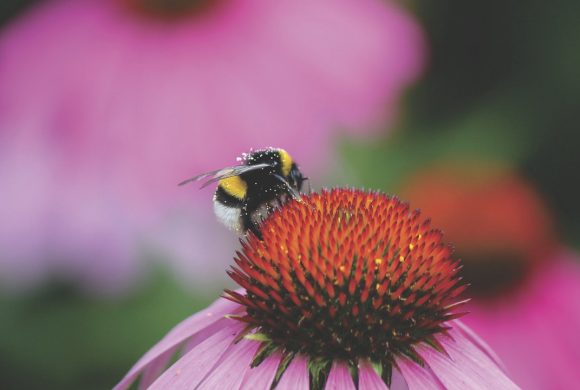
Despite their importance, pollinators are declining at alarming rates. The primary drivers include habitat loss, pesticide exposure, climate change, invasive species, and disease.
Habitat Loss and Urbanization
Agricultural intensification reduces plant diversity and increases pesticide residues. Urban expansion fragments natural habitats, replacing them with roads and buildings. Research shows that impervious surfaces are directly linked to declining bee and butterfly diversity. As of 2020, more than 70 pollinator species were listed as endangered or threatened in the United States alone.
Climate Change
Rising temperatures and increasing drought disrupt pollinator life cycles. Drought-stressed plants produce fewer flowers with less nectar, weakening plant–pollinator interactions. Bats are especially vulnerable, as they require specific roosting temperatures and regular water intake. Hotter, drier conditions reduce reproductive success and survival rates.
Invasive Species, Disease, and Pesticides
Invasive plants crowd out native flora, reducing food sources for specialized pollinators. Pathogens spread more easily between native and introduced species, while pesticide exposure weakens immune systems, making pollinators more susceptible to disease.
Protecting Pollinators Beyond Bees

Declining pollination is already affecting human health and economies. In 2022, global fruit, vegetable, and nut production was 3–5% lower than it could have been with healthy wild pollinator populations. This shortfall contributed to an estimated 427,000 premature deaths annually, linked to reduced access to nutritious foods.
Lower-income countries are hit hardest. Agricultural losses from poor pollination account for 10–30% of total agricultural value in some regions, deepening food insecurity and economic inequality.
According to global biodiversity assessments, a total collapse of pollinators could reduce global agricultural output by 5–8%, with cascading effects on ecosystems and livelihoods.
The Intergovernmental Science-Policy Platform on Biodiversity and Ecosystem Services (IPBES) estimates that 75% of food crops and 90% of wild flowering plants depend on pollinators. In Europe alone, pollinators contribute approximately €15 billion per year to crop value.
Individual Matters

Some initiatives have been made, aiming to reverse pollinator decline by 2030 through better monitoring, habitat restoration, and sustainable land-use practices. However, individual actions matter too. Planting native, pollinator-friendly flowers, reducing pesticide use, supporting local food systems, and spreading awareness can collectively create meaningful change.
We can help their presence by only providing the right environment for them to live or at least visit. In example, planting some small flowers in our garden would help butterflies and bees to get food or at least find a place to rest their wings for a while before flying away to a larger flower field.
We can also help by pushing local authorities to provide more green areas, but containing pollinator friendly plants there. So, the green area is not only for us to picnic but also for the small animals who help us produce food.
Pollinators are the silent engineers of life on Earth. From bees and butterflies to bats and lemurs, their work sustains ecosystems, economies, and human health.
Their decline is not just an environmental issue, it is a warning about the fragility of the systems that support us all. Protecting pollinators means protecting biodiversity, food security, and the future of life on this planet.
And yes, before it is all too late, we should start now.
Sources:
Leave a Reply