


As environmental concerns grow globally, industries are under increasing pressure to implement sustainable practices. One critical area that is often overlooked is metal recycling, an essential component of waste management. Recycling metals can have a profound impact on reducing environmental damage and promoting more sustainable industrial processes. By focusing on these methods, cities and businesses can help minimize waste, reduce energy consumption, and lower the overall carbon footprint.
Reducing the Need for Raw Materials
One of the most significant environmental benefits of metal recycling in Kansas City is the reduced demand for raw materials. Mining and processing metals from the earth is both energy-intensive and harmful to the environment. The extraction process not only results in land degradation but also contributes to water pollution and a host of other ecological issues. For instance, the open-pit mining of metals such as copper and gold can devastate large areas of land and lead to the release of toxic chemicals into water supplies.

Recycling metals, however, means that fewer new materials need to be mined. This shift helps in preserving natural habitats and reducing the environmental footprint of mining operations. In Kansas City, initiatives and programs aimed at improving metal recycling rates are making a significant difference.
By repurposing metals already in circulation, businesses and communities are contributing to the reduction of the environmental strain caused by traditional mining methods. This not only helps in conserving natural resources but also supports the local economy by creating jobs in the recycling sector.
Energy Savings and Reduced Emissions
Another crucial advantage of metal recycling is the considerable amount of energy saved compared to producing new materials from scratch. For example, recycling aluminium saves up to 95% of the energy required to create new aluminium from bauxite ore.
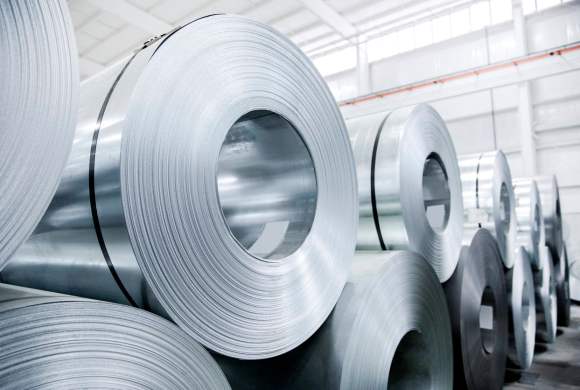
This significant energy efficiency also leads to a notable reduction in greenhouse gas emissions. The production of recycled aluminium emits around 95% less carbon dioxide compared to producing primary aluminium.
The energy savings extend beyond just aluminium. Recycling steel, for instance, saves about 60% of the energy needed to produce steel from iron ore. Additionally, using recycled metals means industries can reduce their reliance on fossil fuels during manufacturing processes. This shift not only lowers emissions but also conserves energy resources that are critical for other applications.
Promoting Circular Economy Practices
Sustainable metal recycling plays a pivotal role in promoting a circular economy, an economic system aimed at minimizing waste and making the most of available resources. In a circular economy, resources are reused, repurposed, and recycled rather than discarded after a single use. This approach contrasts sharply with the traditional linear model of ‘take, make, dispose,’ which often leads to increased waste and resource depletion.

By increasing recycling efforts, businesses can develop a supply chain that is less reliant on virgin materials, which typically require destructive extraction processes. For example, the automotive industry, which uses metals extensively, benefits from recycling scrap metal to produce new vehicle parts. This reduces the demand for new raw materials and helps in creating a more sustainable supply chain.
Furthermore, reducing waste through recycling helps preserve natural ecosystems. By keeping valuable materials in circulation, recycling prevents the need for new extraction, thereby protecting habitats and biodiversity from the consequences of excessive resource extraction.
Encouraging Corporate Responsibility
An increasing number of companies are recognizing the environmental and economic benefits of engaging in sustainable recycling efforts. Industries across various sectors, including automotive, electronics, and construction, are making the shift towards greener practices.
This shift is driven not only by regulatory requirements but also by growing consumer demand for eco-friendly products and services. Consumers are becoming more aware of the environmental impacts of their purchases, prompting businesses to adopt responsible waste management strategies.

For instance, in the technological sector, many companies are focusing on the recycling of components made from metals like copper, aluminium, and gold. These metals are often used in electronic devices, and their recycling is crucial for reducing environmental impact.
Companies in this sector are now emphasizing responsible sourcing and end-of-life recycling, which not only reduces the environmental footprint of their products but also earns consumer trust. Insights from platforms such as The Guy Corner NYC highlight how businesses are evolving their strategies to align with these values.
Creating Jobs and Economic Opportunities
Sustainable metal recycling is not just beneficial for the environment—it also contributes to job creation and economic growth. The recycling industry creates employment opportunities in areas such as recycling centres, transport logistics, and processing plants. As the demand for recycled materials increases, there is a corresponding need for more infrastructure and labour to meet this demand.

Moreover, recycling helps local governments by reducing the costs associated with waste disposal. Instead of sending metals to landfills, which requires significant space and resources to manage, recycling ensures that valuable materials are kept in circulation. This helps communities save on waste management expenses and allows for better allocation of funds towards other essential services, such as education and public health.
Challenges and Future Directions
Despite its benefits, metal recycling does face challenges that need to be addressed to enhance its effectiveness. One major challenge is contamination, where non-metallic materials or different types of metals are mixed, making recycling processes more complex and less efficient. Improving sorting technologies and public awareness about proper disposal can help mitigate these issues.
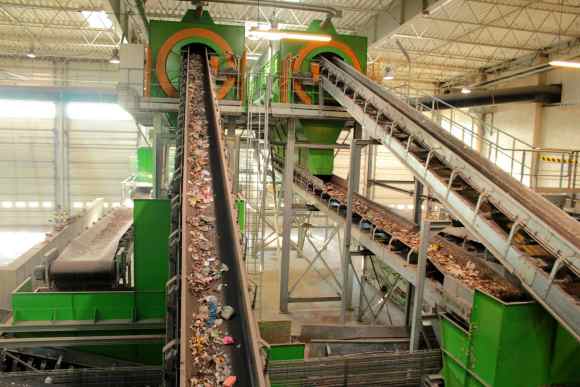
Additionally, while recycling rates have improved, there is still room for growth. Many regions are working towards better recycling infrastructure and more comprehensive policies to encourage higher participation rates. For instance, enhancing incentives for businesses to recycle and investing in advanced recycling technologies can further boost recycling efforts.
Conclusion
The impact of sustainable metal recycling on the environment is undeniable. By reducing the need for raw materials, conserving energy, promoting circular economy principles, and encouraging corporate responsibility, metal recycling offers a viable solution to some of the world’s most pressing environmental challenges.
As businesses and communities continue to adopt greener practices, the long-term benefits of recycling will become even more evident, contributing to a more sustainable future for our planet. By embracing these practices, we not only address immediate environmental concerns but also pave the way for a more responsible and
Leave a Reply