

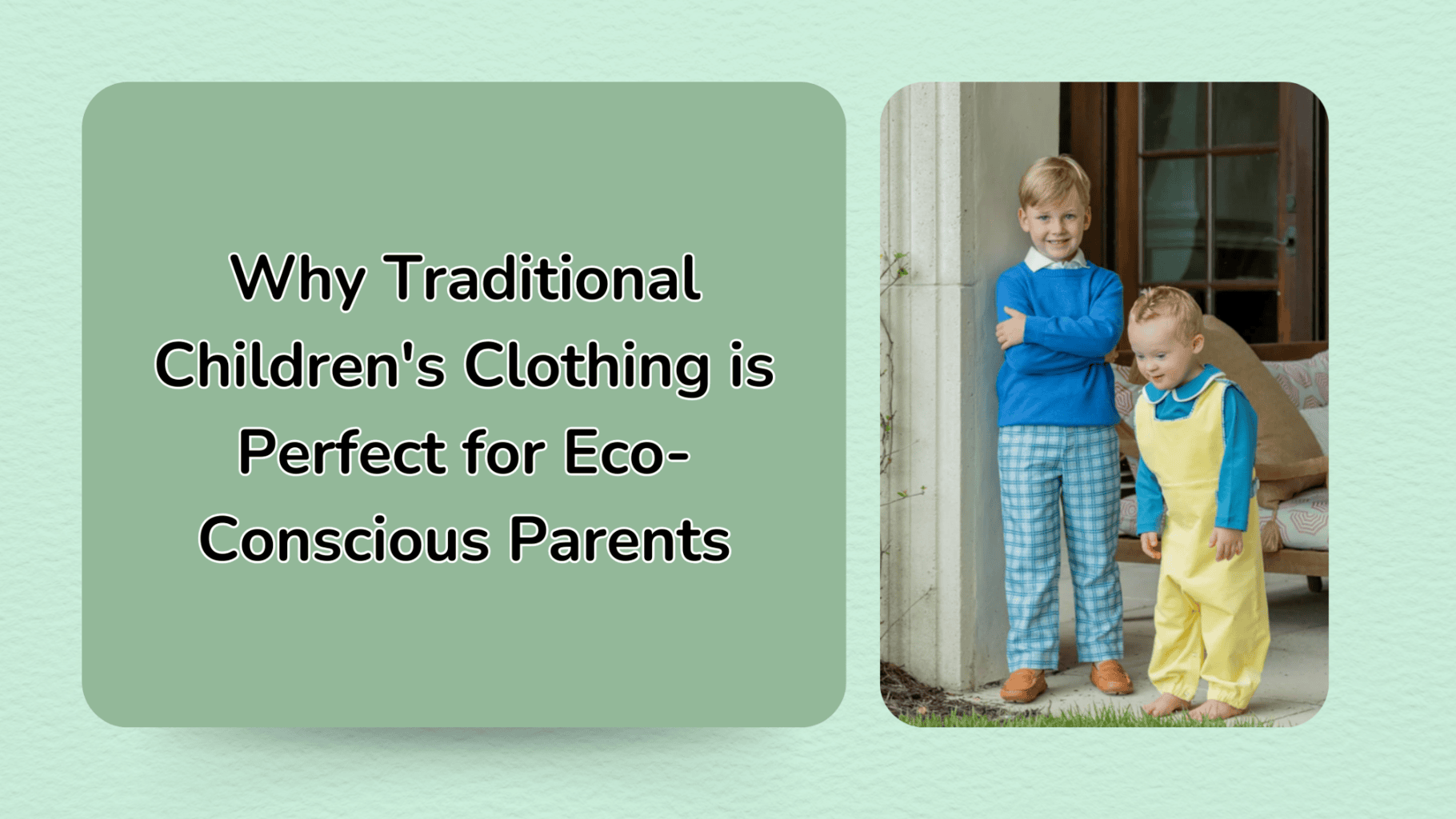
Are you an eco-conscious parent looking for sustainable clothing options for your children? Traditional children’s clothing might be the solution you’re seeking. This timeless approach to dressing your little ones not only looks charming but also offers numerous environmental benefits.
In this article, we’ll explore why traditional children’s clothing is an excellent choice for parents who want to reduce their environmental impact without compromising on style or comfort.
Fast Fashion’s Environmental Toll
\
Before we dive into the benefits of traditional children’s clothing, it’s crucial to understand the environmental challenges posed by the current fast fashion model in children’s wear. The rapid turnover of trendy, cheaply-made clothing has significant ecological consequences:
- Excessive waste: Children outgrow clothes quickly, and low-quality garments often end up in landfills after just a few wears.
- Resource depletion: Fast fashion relies heavily on non-renewable resources and water-intensive processes.
- Chemical pollution: The production of synthetic fabrics and the use of toxic dyes contribute to water and soil contamination.
- Carbon footprint: The global supply chain of fast fashion results in substantial greenhouse gas emissions.
- Microplastic pollution: Synthetic fabrics release microfibers into waterways with each wash, contributing to ocean pollution.
These environmental issues have led many parents to seek more sustainable alternatives, paving the way for a renewed interest in traditional children’s clothing.
Eco-Friendly Aspects of Traditional Children’s Clothing
Many parents are turning to more sustainable and eco-friendly options for their children’s wardrobes. The timeless appeal and durability of traditional children’s clothing make it a favoured choice. Traditional children’s clothing offers several eco-friendly attributes that make it an excellent choice for environmentally conscious parents:
Natural and Sustainable Fabrics
Many traditional children’s garments are made from natural, biodegradable fabrics such as cotton, linen, and wool. These materials have a lower environmental impact compared to synthetic alternatives.
Durability and Longevity
Classic children’s clothes are often crafted with superior quality, ensuring they can withstand the wear and tear of active children. This durability means the garments last longer, reducing the need for frequent replacements.
Timeless Designs
Traditional styles remain fashionable year after year, eliminating the pressure to constantly update a child’s wardrobe to keep up with fleeting trends.
Heirloom Potential
Well-made traditional garments can be passed down through generations, extending their lifecycle and reducing overall consumption.
Ethical Production
Many brands specializing in traditional children’s clothing prioritize ethical manufacturing practices, ensuring fair labour conditions and minimizing environmental impact.
| Traditional Children’s Clothing | Modern Fast Fashion |
| Natural fabrics | Synthetic materials |
| Durable construction | Often lower quality |
| Timeless designs | Trend-driven styles |
| Higher initial cost | Lower upfront price |
| Potential heirloom pieces | Typically disposable |
| Often ethically produced | Variable ethics |
| Lower environmental impact | Higher eco-footprint |
Long-Term Benefits of Traditional Children’s Wear
While the initial cost of traditional children’s clothing may be higher than fast fashion alternatives, the long-term benefits far outweigh the upfront investment. By choosing quality over quantity, eco-conscious parents can enjoy several advantages:
- Reduced overall spending: Higher-quality garments last longer, reducing the need for frequent replacements and ultimately saving money.
- Less time shopping: With a wardrobe of versatile, timeless pieces, parents spend less time and energy constantly updating their child’s closet.
- Simplified laundry: Natural fabrics often require less frequent washing and are more resistant to stains and odours.
- Enhanced hand-me-down potential: Well-made clothes retain their quality, making them perfect for passing down to siblings or other families.
- Increased resale value: Classic, high-quality pieces often have better resale value compared to trendy, fast fashion items.
By investing in traditional children’s clothing, parents not only contribute to a more sustainable fashion ecosystem but also enjoy practical benefits that align with an eco-conscious lifestyle.
Versatility in Modern Wardrobes
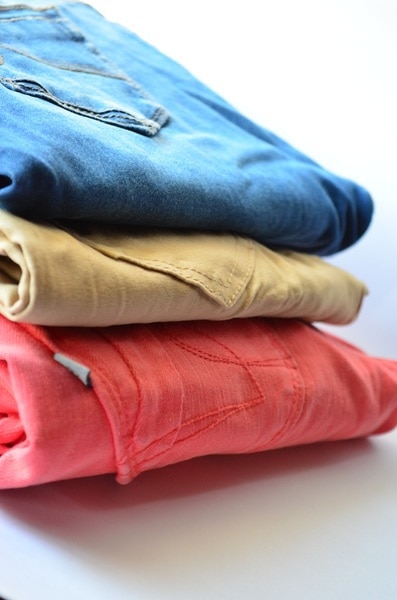
Traditional children’s clothing is surprisingly adaptable to modern wardrobes. Mixing and matching is key – pair classic pieces with contemporary items for unique looks. A Peter Pan collar shirt with jeans creates a charming blend of old and new.
Layering adds depth; try a vintage cardigan over a modern dress. Accessories play a crucial role in updating traditional outfits. Contemporary shoes or hair accessories can refresh a classic ensemble instantly. Many traditional pieces work across seasons; a summer seersucker dress can be winterized with a long-sleeved shirt and tights.
Notably, many classic styles are gender-neutral, promoting inclusivity and easy sharing between siblings. This versatility not only adds value but aligns with modern parenting philosophies, proving that traditional children’s clothing can be both timeless and relevant in today’s fashion landscape.
Supporting Sustainable Fashion Practices
Choosing traditional children’s clothing goes beyond style; it’s a vote for sustainability in the fashion industry. By selecting these garments, parents encourage slow fashion, supporting brands that prioritize quality and timeless design over rapid trend cycles.
This approach reduces the industry’s overall environmental impact by slowing production and consumption rates. Many traditional clothing brands emphasize ethical manufacturing, promoting fair labour practices and responsible production methods.
This choice also helps preserve craftsmanship, supporting skilled artisans and traditional techniques. Consumer preferences drive market trends, and showing demand for sustainable, durable children’s clothing sends a clear message to manufacturers.
Ultimately, opting for long-lasting pieces contributes to reducing overall clothing production and its associated environmental impacts, fostering a more sustainable future for the children’s fashion industry.
The Ripple Effect of Choosing Traditional Children’s Clothing
|
Caring for Traditional Children’s Clothing
Proper care is essential to maximize the eco-friendly potential of traditional children’s clothing. Adopt eco-friendly laundry practices: use cold water washes, line dry when possible, and choose environmentally friendly detergents. These methods reduce energy consumption and chemical pollution while preserving garment quality.
Learning basic mending skills can significantly extend clothing life. Simple repairs like reattaching buttons or fixing small tears keep garments in use longer, reducing waste. Proper storage is crucial; protect clothes from moths, sunlight, and improper folding to maintain their condition.
Master natural stain removal techniques to avoid harsh chemicals that damage fabrics and harm the environment. When clothes are outgrown, consider repurposing or donating them to extend their useful life. These care practices ensure maximum environmental benefit and longevity from traditional children’s clothing.
Conclusion

Adopting traditional children’s clothing is a powerful way for eco-conscious parents to align their values with their children’s wardrobes. By choosing durable, timeless pieces made from natural materials, you’re not only dressing your children in charming outfits but also contributing to a more sustainable future. Remember, every small choice matters. So why not start with your child’s closet to make a positive impact on the planet?
Frequently Asked Questions
Are traditional children’s clothes suitable for all seasons?
Many traditional styles can be layered or adapted for different seasons. Choose breathable fabrics for summer and add layers for colder months.
How do I care for traditional children’s clothing?
Follow care labels, wash in cold water, air dry when possible, and learn basic mending skills. Proper care extends the life of garments.
Can traditional children’s clothing be stylish and modern?
Absolutely! Mix traditional pieces with contemporary items, use modern accessories, and choose updated versions of classic styles for a fresh look.
Leave a Reply