

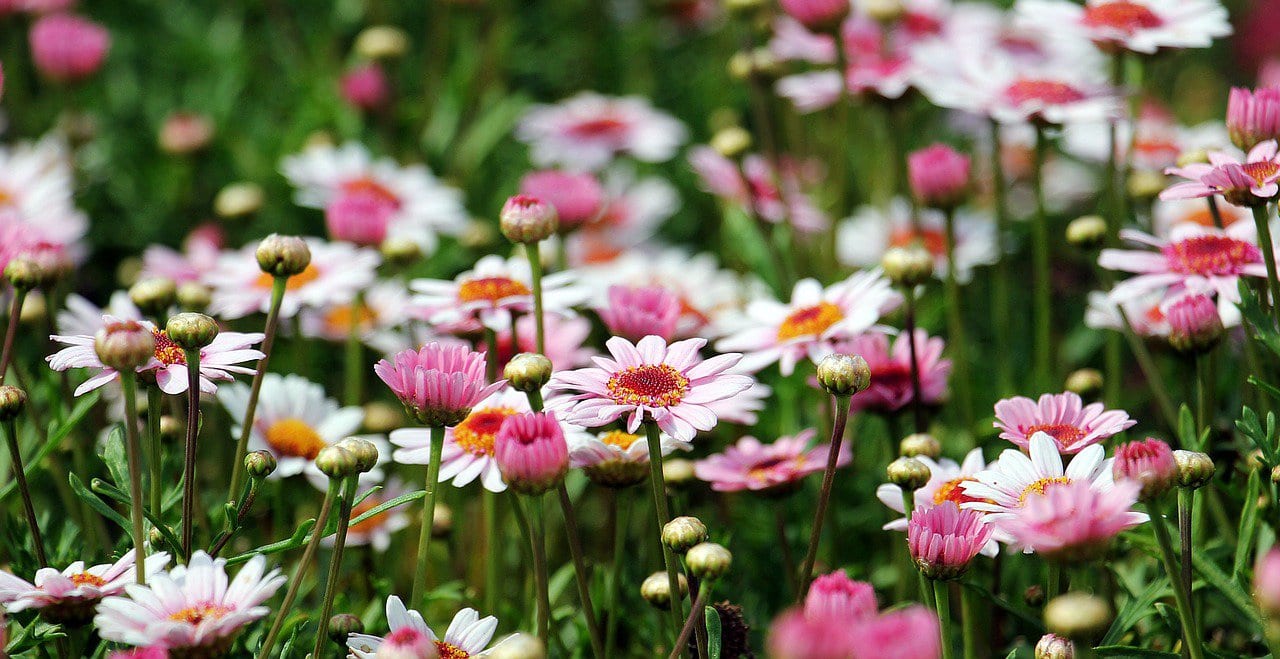
Creating a garden that serves both beauty and biodiversity isn’t just a trend – it’s a vital step toward supporting our local ecosystems. As we face declining pollinator populations and habitat loss, our gardens can become crucial sanctuaries for local wildlife. By choosing wildlife-friendly varieties, you ensure your garden contributes to the health of your local environment while creating a stunning display.
Understanding Wildlife-Friendly Gardens
A truly wildlife-friendly garden incorporates several key elements that support various species throughout the year. Diversity is crucial – different flower shapes and sizes attract different pollinators, while varying bloom times ensure continuous food sources. Chemical-free maintenance practices protect visiting wildlife, and the inclusion of water sources and shelter makes your garden a complete habitat.
These gardens do more than just look pretty. They create functional ecosystems that support pollinator populations, provide natural pest control through predator-prey relationships, and enhance local biodiversity. By connecting with other wildlife-friendly spaces in your community, your garden becomes part of a larger network of urban and suburban habitats.
Best Flowers for Pollinators
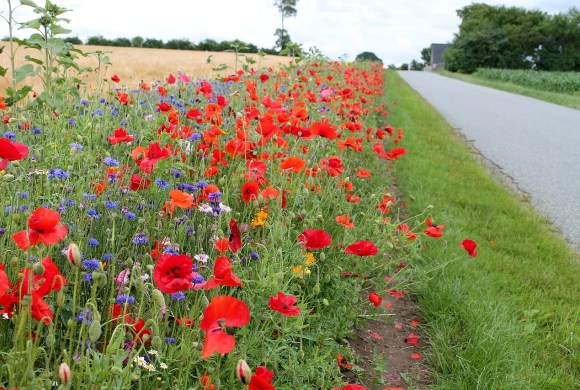
Butterflies are attracted to specific flower characteristics that make nectar easily accessible. Flat-topped clusters like yarrow and lantana provide perfect landing pads, while tubular flowers like penstemon and salvia attract long-tongued butterflies. Including host plants such as milkweed for monarchs and dill for swallowtails supports complete butterfly life cycles.
Bees show strong preferences for single-bloom varieties over doubled flowers, as these provide easier access to pollen and nectar. Early spring blooms like crocus and hyacinth support bees emerging from winter hibernation, while late-season flowers such as asters and goldenrod provide crucial pre-winter sustenance. Native plant species often form the strongest relationships with local bee populations.
Birds and Beneficial Insects
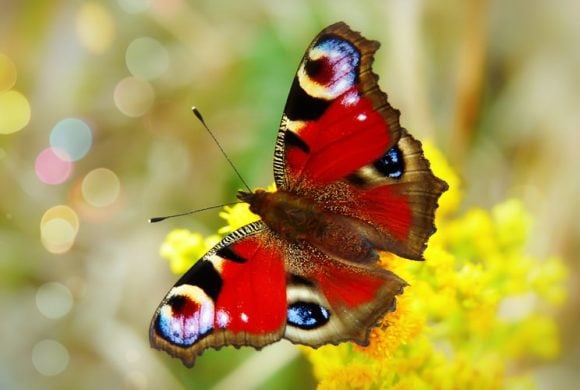
Creating a bird-friendly flower garden involves more than just pretty blooms. Plants like coneflowers, black-eyed susans, and sunflowers produce seeds that attract finches and chickadees. Taller plants provide natural perches, while dense flowering shrubs offer nesting sites and protection from predators. Consider leaving seed heads standing through winter to provide ongoing food sources.
Beneficial insects play crucial roles in garden health. Flowering herbs like dill and fennel attract ladybugs, while small-flowered plants like sweet alyssum provide habitat for parasitic wasps that control pest populations. Leaving areas of bare soil near flowering plants creates nesting sites for ground-dwelling beneficial insects.
Gift-Worthy Selections
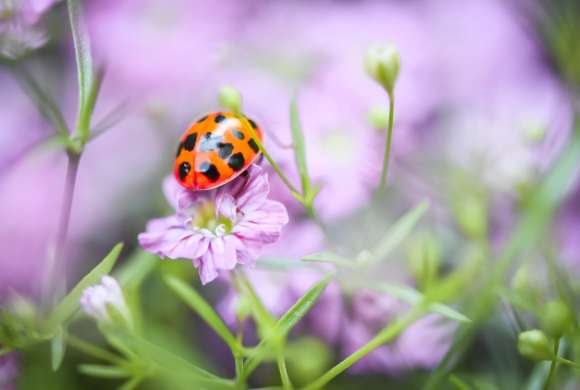
When selecting wildlife-friendly plants for your garden or as birthday flowers, focus on varieties that are both beautiful and easy to maintain. Butterfly bush, lavender, and echinacea combine striking appearances with drought tolerance and long blooming periods. Container-friendly options like dwarf butterfly bush or compact varieties of native plants make perfect gifts for those with limited space.
Consider the recipient’s growing zone and the current season when selecting gift plants. Spring favorites include columbine and bleeding heart, while summer brings opportunities for bright coneflowers and bee balm. Fall-blooming asters and sedums provide late-season interest and crucial pollinator support.

Natural Pest Management
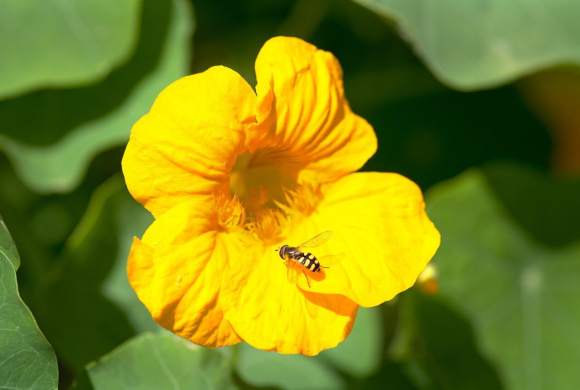
Companion planting forms the foundation of natural pest control in wildlife-friendly gardens. Marigolds deter numerous pest species while attracting beneficial insects. Nasturtiums act as trap crops for aphids, protecting other plants while providing edible flowers. Strategic placement of aromatic herbs like basil and rosemary among flowering plants can deter unwanted insects while attracting beneficial ones.
Creating healthy soil through organic practices supports naturally pest-resistant plants. Regular addition of compost improves soil structure and feeds beneficial microorganisms. Physical barriers like floating row covers can protect young plants while still allowing pollinator access to flowers when needed.
Garden Design Tips
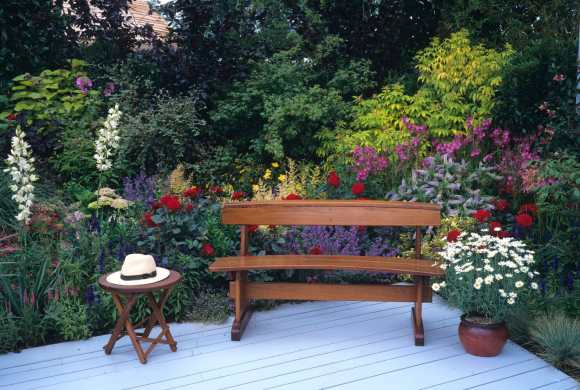
Successful wildlife gardens incorporate both horizontal and vertical diversity. Create flowing paths of blooms that allow wildlife to move safely through your space. Layer plants of different heights, with taller species providing backdrop and shelter while shorter varieties offer easy access to ground-feeding birds and insects.
Maintenance practices should balance human aesthetic preferences with wildlife needs. Selective deadheading maintains appearances while leaving some seed heads for birds. Delay spring cleanup until temperatures consistently reach 50°F (10°C) to protect overwintering beneficial insects.
Getting Started
Begin by assessing your space’s sunlight, soil conditions, and existing wildlife activity. Start small with a few key species and expand gradually as you observe what works best in your environment. Prepare soil thoroughly before planting, and consider creating a simple plan that ensures blooms throughout the growing season.
Keep records of wildlife visitors and blooming times to help refine your plant selections over time. Join local gardening groups to share experiences and learn which native species work best in your area. Document your garden’s development through photos to track its evolution into a thriving ecosystem.

Building for the Future
Creating a wildlife-friendly flower garden is an ongoing journey that yields increasing rewards over time. As your garden matures, it will attract a greater diversity of species while requiring less intervention to maintain. Your efforts contribute to larger conservation goals while creating a beautiful, dynamic space that provides endless opportunities for learning and enjoyment.
Remember that every wildlife-friendly garden, no matter its size, makes a difference. By choosing plants that support local ecosystems, you’re creating a living legacy that benefits both wildlife and future generations while enjoying a beautiful and vibrant garden space.
Leave a Reply