


In a quiet lake in southern India, something strange is happening. Worms are disappearing, and that’s a big problem. These are not just any worms. They are special creatures that live in the mud and help keep the water clean.
Birds, fish, and people all depend on them. But too many people are taking the worms, and it’s starting to damage the whole area. Let’s find out what’s going on and why these little worms matter so much.
The Lake and the Worms

Pulicat Lake is a large, beautiful lagoon near the city of Chennai. It is one of the biggest lagoons in India. Many animals live there, like flamingos, crabs, and fish. Birds from far away also come there every year.
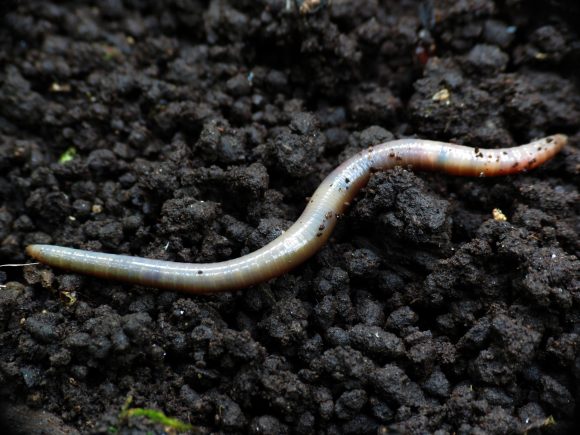
The lake is home to small creatures called polychaete worms, or bristle worms. These worms live in the mud under the water. They are pink, soft, and squiggly. They eat dead plants and animals, which helps clean the water.
The worms are also food for fish and crabs. And those fish and crabs are food for birds and people.
In other words, worms are a very important part of the food chain. But now, people are digging them up and selling them. The worms are sold to fish farms, where they are used to feed prawns and fish.
The worms help the fish grow faster and give them brighter colors. One kilogram of worms can sell for up to $50. That’s a lot of money, so more and more people are trying to collect them.
But if too many worms are taken, they don’t have time to grow back. Fish and crabs that eat the worms start to disappear too. And then the whole system starts to fall apart.
Trouble from Worm Poaching

“Poaching” means taking something from nature in a way that is not allowed or is harmful. At Pulicat Lake, worm poachers come early in the morning. They dig holes in the mud and use buckets to collect worms. Many of them build small tents or sheds near the lake.
Most of these poachers don’t live in the area. But the people who do live there use the lake to fish and support their families. Some local women are trying hard to stop the poachers and protect the worms.
One woman, Jyothi, told a news reporter that she nearly lost her life because of worm poaching. She was fishing in the lake when she stepped into a hidden hole filled with worms. She slipped, fell into the water, and got stuck.
She couldn’t breathe. Luckily, her friends were nearby and pulled her out just in time. That day, she realized the danger was bigger than just worms. It was also about people’s lives and safety.
“It was human greed that almost cost me my life,” Jyothi told BBC.
What the Science Says

A scientist named Dr. Sultan Ahmed Ismail has studied these creatures for many years. He explained why they are so important. He said the worms help keep the soil healthy and breathe through their skin.
They also eat tiny bits of dead plants and animals, turning them into nutrients for other creatures. Fish and crabs eat the worms because the little creatures are full of nutrition. But if the worms go away, the fish go away too.
And when that happens, people who depend on fishing will have no food or money.
“These poachers are not just stealing worms,” Dr. Ismail said. “They are breaking the whole food chain.”
In a healthy system, the worms grow back when birds and fish eat them. But when people dig up thousands of worms at once, the worms can’t grow fast enough. There are not enough adult worms left to lay eggs.
The soil becomes weak, the water changes, and other plants and animals start to suffer.
One type of plant that is being hurt is the mangrove. Mangroves grow near the shore and protect the land from floods, storms, and erosion. They also help capture carbon, which slows down climate change.
Since 2021, a group called the Mangrove Foundation of India has planted over 50,000 mangrove trees in the area. But worm poachers are hurting this effort. When they dig and dump mud, they block the water that mangroves need to grow. That means the young plants don’t get enough water and can’t survive.
With little help from the government, local women are stepping up. They keep watch over the wetlands and try to stop the poachers. Some of them chase the poachers away and explain why what they’re doing is wrong.
Worms and Life
One 60-year-old woman, Lakshmi, said life has become much harder than before.
“We used to walk just 1 kilometer to catch fish. Now we have to walk 5 kilometers, and there are fewer fish than before,” she said.
Some women have been hurt while walking near the lake. They have fallen into deep holes left by poachers. Some broke their legs or hips and can’t work anymore. That means they can’t fish, earn money, or feed their families.
In one village, a woman named Veeramal also has her simple plan to protect the lake. First, she watches for strangers. Then, she tries to talk to them kindly. If they don’t listen, she calls the local leaders or fishermen to help.
“Women can do anything when they work together,” Veeramal said.
But it’s not always easy. In some areas, the poachers offer villagers money to stay quiet. Others are too afraid to speak up because the poachers can be rude or even violent.
At first, worm poaching might not seem like a big deal. But it is. These little creatures help clean the water, feed fish, and support plants like mangroves. If they disappear, everything starts to fall apart — the fish, the plants, and the people who depend on them.
And Pulicat Lake is not the only place with this problem. Similar things are happening in Mumbai, Kochi, and Odisha. But most people don’t hear about it.
Even with all the trouble, the local women are not giving up. They know that protecting the worms means protecting their homes, their food, and their future.
“What the poachers are stealing isn’t just worms,” said Veeramal. “They are stealing our future.”
Sources:
Leave a Reply