


Climate change is causing mosquitoes that carry diseases like dengue, Zika, and chikungunya to move into new areas. These mosquitoes, particularly the Aedes aegypti variety, are no longer limited to tropical regions.
According to experts, climate change and human activity are enabling the spread of mosquito-borne diseases to new places, often unprepared to deal with them. Warmer temperatures, changes in rainfall, and human activity are enabling their spread to new places.
Land use changes can also drive migration to cities, increasing the population at risk of explosive outbreaks of dengue and other mosquito-borne diseases. As the globe warms, mosquitoes will roam beyond their current habitats, shifting the burden of diseases like malaria, dengue fever, chikungunya, and West Nile virus.
This is a serious issue that requires immediate attention from us, therefore let’s talk about it in this article.
Recent Concern
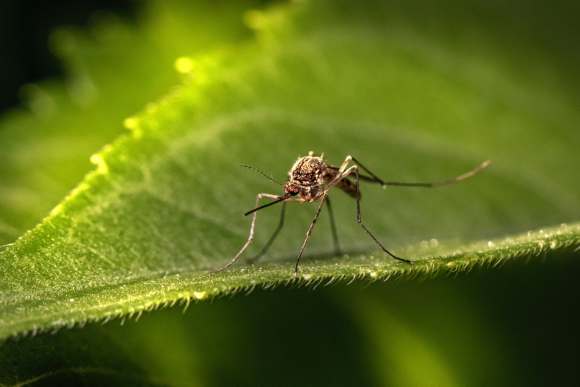
A recent study has raised concerns about the increasing prevalence of mosquito-borne viruses, such as dengue, Zika, and chikungunya, in the coming decades. The study’s findings indicate a troubling trend: it predicts a substantial 20% rise in the number of cases of these diseases over the next 30 years due to the impact of climate change.
This projection is particularly alarming, as it highlights the significant public health threat posed by these diseases. The key driver behind this anticipated increase is the changing climate. As global temperatures continue to rise, it creates a more favorable environment for disease-carrying mosquitoes, such as the Aedes aegypti mosquito.
These mosquitoes thrive in warm and humid conditions, and as temperatures increase, their habitat expands into regions previously considered less susceptible to these diseases. Southern Brazil and southern Europe, for instance, are now experiencing the spread of these diseases, where they were once relatively uncommon.
This surge in cases brings about multiple challenges. First and foremost, it puts more people at risk of contracting these debilitating diseases, which can lead to severe health consequences. The social and economic burdens associated with increased cases of dengue, Zika, and chikungunya are significant, with rising healthcare costs and potential strain on healthcare systems.
The Diseases Like Zika

The impact of climate change is becoming increasingly evident as higher temperatures are now causing diseases carried by the Aedes aegypti mosquito to spread to regions that were once considered cooler and safer.
This expansion of disease-carrying mosquitoes, notably in regions like southern Brazil and southern Europe, represents a concerning trend in the context of global public health. Mosquito-borne diseases like dengue, Zika, and chikungunya are primarily transmitted by the Aedes aegypti mosquito.
Historically, these diseases were more common in tropical and subtropical areas due to the mosquito’s preference for warm and humid environments. However, as temperatures rise due to climate change, these insects are venturing into regions with cooler climates, where they were rarely seen before.
The implications of this geographical expansion are profound. In these newly affected areas, populations may be less prepared to deal with these diseases, both in terms of healthcare infrastructure and public awareness.
Consequently, there is an increased risk of outbreaks and the potential for these diseases to become endemic in places where they were once considered rare. Southern Brazil and southern Europe are now experiencing the alarming spread of diseases previously not associated with their climates.
This expansion underscores the need for vigilance and preparedness in regions that may not have historically considered themselves vulnerable to mosquito-borne diseases. Climate change, with its far-reaching impacts, is reshaping the map of disease transmission, making it essential for global health systems to adapt and respond to these emerging challenges effectively.
Infecting More People
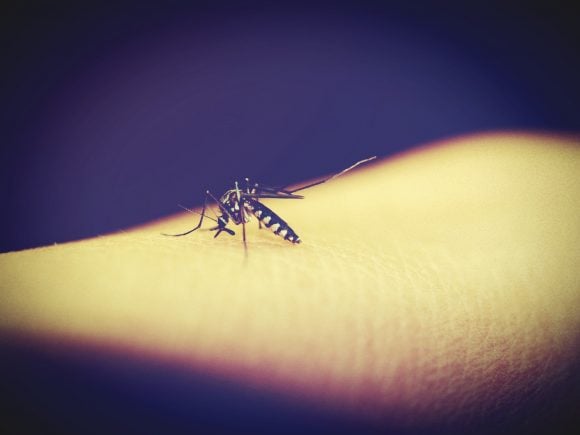
As we mentioned above many times, viruses that includes dengue, Zika, and chikungunya, is projected to increase by a substantial 20% over the next 30 years due to climate change. This prediction is alarming and highlights the urgency of addressing the link between climate change and the spread of these diseases.
Arboviruses, short for arthropod-borne viruses, are primarily transmitted to humans through the bites of infected mosquitoes. As global temperatures continue to rise, these disease-carrying mosquitoes, particularly Aedes aegypti, find themselves in more favorable conditions for breeding and spreading. The result is an increased potential for these viruses to infect more people.
The 20% increase in transmission potential is a significant threat to public health. It means that more individuals are at risk of contracting these diseases in the future. Dengue, Zika, and chikungunya can lead to severe health issues, and in some cases, they can be fatal. These diseases also place a substantial burden on healthcare systems, driving up costs and straining resources.
The study underscores the need for proactive measures to combat the expanding transmission potential of arboviruses. This includes mosquito control programs, public health campaigns, and research aimed at understanding and predicting disease patterns in a changing climate.
It’s a call to action for governments, healthcare organizations, and communities to collaborate and implement strategies that mitigate the risk and impact of these diseases. Climate change is now intricately linked to the health of our planet’s inhabitants, and addressing these threats is critical to safeguarding public health.
Worse Zika

The study reveals an unexpected and concerning aspect of the impact of climate change on the transmission of Zika and dengue. The study found that there’s an increased risk of Zika epidemics in various climatic scenarios, even in regions like Manaus, where extreme heat was initially expected to reduce the threat of these diseases.
Zika and dengue viruses are primarily spread by the Aedes aegypti mosquito, and their transmission rates are influenced by temperature and climate. Most notably, the study indicated that these diseases spread most rapidly at average daily temperatures around 30°C. However, the unsettling discovery is that outbreaks can still occur in areas with even higher temperatures, around 35°C.
The unexpected nature of this finding underscores the complexity of climate change’s impact on disease transmission. While extreme heat might have been assumed to inhibit these diseases, the study suggests that other factors, such as increased rainfall, humidity, or human movement, may be contributing to the persistence of disease transmission.
This unpredictability highlights the need for a comprehensive and adaptable approach to combating these diseases in the face of climate change. Efforts should encompass not only temperature-based strategies but also broader measures like monitoring and controlling mosquito populations, improving healthcare infrastructure, and raising public awareness.
So, should we stay silent about this climate change issue?
Sources:
Leave a Reply