

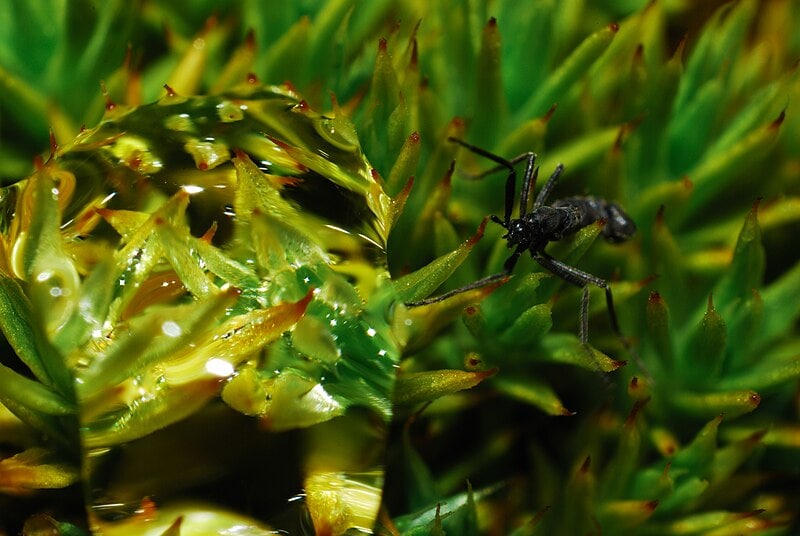
The Antarctic midge (Belgica antarctica) is a remarkable insect that has adapted to survive in one of the harshest environments on Earth, Antarctica.
Wait, how can a little insect live in a place that not even human can build a civilization on? Pretty unique, right? Therefore, Then, let’s explore some unique facts about this fascinating creature.
What is Antarctic Midge?

The Antarctic midge (Belgica antarctica) is the only insect that is native to the frozen continent of Antarctica. It is a tiny, flightless midge that measures about 2–6 millimeters in length, making it the largest purely terrestrial animal in Antarctica. Despite its small size, the Antarctic midge plays an important role in the region’s ecosystem.
Unlike many insects that can fly, the Antarctic midge is flightless. It has evolved without wings, likely because flying would be too difficult in the extreme and windy conditions of Antarctica. The midge is black in color, which helps it absorb heat from the sun—an important adaptation for surviving in the cold environment.
Antarctica is a barren, icy landscape where temperatures can drop well below freezing, but the Antarctic midge has developed incredible adaptations to withstand these conditions. It is found along the coast of Antarctica, where it lives in moist, mossy areas and feeds on algae, fungi, and detritus. These patches of moss and soil are among the few places where life can survive on the continent.
Though it may seem like an unlikely place for insects, the Antarctic midge has managed to thrive in one of the most extreme environments on Earth.
How Can Antarctic Midge Live There?

The Antarctic midge has developed some incredible survival strategies to endure the freezing temperatures of its habitat. One of its key adaptations is the ability to tolerate extreme cold by entering a state of dormancy during the harshest conditions. The midge can survive temperatures as low as -15°C (5°F), and some larvae have even been shown to survive freezing temperatures for extended periods.
One of the most fascinating aspects of the midge’s survival is its use of antifreeze proteins. These proteins prevent the formation of ice crystals inside its cells, which would otherwise cause severe damage and death. In addition to antifreeze proteins, the Antarctic midge can also lose up to 70% of its body water through dehydration. This dehydration reduces the risk of ice forming in its tissues, allowing the midge to survive freezing conditions by importantly drying itself out.
The midge spends most of its life in the larval stage, which can last up to two years, depending on the conditions. The adult stage is very short, typically only lasting about 10 days, during which time they reproduce and lay eggs. Because of the limited time available to reproduce, the Antarctic midge has adapted to complete its entire life cycle during the brief Antarctic summer, when temperatures are slightly warmer, and food sources are available.
These remarkable survival strategies have allowed the Antarctic midge to thrive in one of the coldest places on Earth.
They Aren’t Rent Free
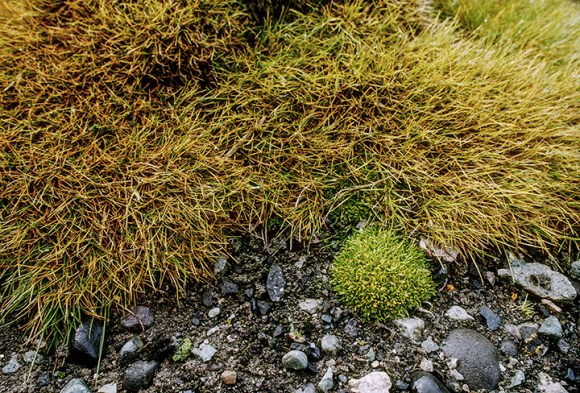
The Antarctic midge plays a vital role in the Antarctic ecosystem, despite its small size. It is one of the few terrestrial animals that live entirely on land in Antarctica, as most of the region’s wildlife is concentrated in the surrounding oceans. The midge primarily feeds on algae, fungi, and decaying plant material, contributing to the breakdown of organic matter and nutrient recycling in the Antarctic soil.
In its environment, the Antarctic midge serves as both a decomposer and a prey species. By feeding on detritus and helping break down organic matter, the midge helps improve the soil quality, allowing mosses and other plants to grow in the harsh climate. These mosses and algae provide a critical habitat for microorganisms, creating a small but important food web in Antarctica’s limited terrestrial ecosystems.
Because the Antarctic midge is one of the few insects in the region, it has very few natural predators. However, it can occasionally fall prey to other small organisms, such as nematodes or birds that visit the coastal areas. The limited presence of other insects also means that the Antarctic midge faces little competition for resources, which helps it thrive in such a harsh environment.
Overall, the Antarctic midge plays a critical ecological role in maintaining the fragile balance of life in Antarctica’s terrestrial habitats.
Anything Else?

Like many organisms in Antarctica, the Antarctic midge is facing increasing challenges due to climate change. Rising temperatures on the continent are altering the environment, affecting the delicate ecosystems that support life in the region. Warmer temperatures could disrupt the midge’s ability to enter dormancy and survive the cold winters, potentially threatening its population.
Scientists are particularly interested in studying the Antarctic midge because of its extreme adaptations to cold environments. Research on the antifreeze proteins and dehydration mechanisms used by the midge may provide insights into cryopreservation and other technologies that could be beneficial for humans, such as improving the preservation of human organs for transplantation.
Despite the midge’s resilience to freezing temperatures, changes to its environment could have long-term impacts on its survival. Melting ice, changes in moisture levels, and shifting food availability could all pose threats to this unique species.
As such, there are efforts to protect the fragile ecosystems of Antarctica from further human impact, such as restricting tourism and limiting research activities that could disturb the habitat.
Conserving the Antarctic midge is part of broader efforts to protect Antarctica’s ecosystem, as even small changes in the environment can have cascading effects on the wildlife that call this frozen continent home.
The Antarctic midge is an extraordinary insect that has adapted to survive in one of the harshest environments on Earth. From its antifreeze proteins to its role in Antarctica’s ecosystem, this small insect demonstrates the incredible resilience of life in extreme conditions.
Well, ass climate change continues to affect its habitat, conserving the midge and the fragile ecosystems of Antarctica is more important than ever. By studying and protecting this remarkable species, we can gain valuable insights into both the natural world and the effects of a rapidly changing climate.
Sources:
https://antarcticsun.usap.gov/
Leave a Reply