


Bangladesh, one of the world’s largest rice producers, is taking bold steps to reduce methane emissions from its rice fields. Researchers at the Bangladesh Rice Research Institute (BRRI) are piloting an innovative irrigation method called Alternate Wetting and Drying (AWD).
To measure its effectiveness, they’ve installed Bangladesh’s first greenhouse gas (GHG) emission monitoring laboratory, equipped with advanced technology to track methane emissions in real time.
This groundbreaking effort aims to refine AWD adoption, reduce methane emissions, and help Bangladesh meet its climate commitments under the Nationally Determined Contribution (NDC).
Well, should we take this as an inspiration for the proposition to renew our country’s green initiative? Let’s talk a bit about it.
Alternate Wetting and Drying (AWD): A Game-Changer
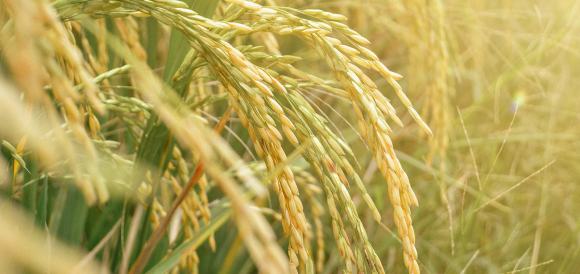
The AWD method is at the heart of BRRI’s efforts to reduce methane emissions. Unlike traditional rice farming, which keeps fields continuously flooded, AWD involves periodically draining the fields.
This reduces the anaerobic conditions that produce methane while maintaining the water levels needed for rice growth.
BRRI has been piloting AWD since 2005, and the results are promising. A 2020 study by BRRI researchers found that AWD reduced cumulative methane emissions by an average of 37% across different sites, without affecting rice yields. The new GHG monitoring lab will provide even more precise data, helping researchers refine AWD techniques and maximize their impact.
Bangladesh’s NDC includes commitments to reduce methane emissions from agriculture and other sources. The government has set a target to implement AWD on 50,000 hectares (123,500 acres) of cropland.
However, achieving this goal requires accurate data on GHG emissions from rice fields, which has been a challenge due to the lack of advanced monitoring tools. The new lab addresses this gap by providing real-time, Bangladesh-specific data on methane emissions.
This data will help researchers determine the effectiveness of AWD in different agroecological zones and under various management practices. It will also support efforts to claim carbon credits for emission reductions, providing financial incentives for farmers to adopt AWD.
Aniway, rice is a staple food for over half of the world’s population, but its cultivation comes with an environmental cost. Rice fields are a significant source of methane (CH₄), a potent greenhouse gas that contributes to global warming.
Methane is produced when organic matter decomposes in the waterlogged, oxygen-deprived conditions of flooded rice paddies. Bangladesh, which produces about 39.1 million metric tons of rice annually, is particularly vulnerable to the environmental impacts of rice farming.
According to a 2021 Bloomberg report, Bangladesh was identified as the 12th largest methane emitter globally, with rice cultivation being a major contributor. This report sparked concern among Bangladeshi researchers, who felt the data was exaggerated but lacked the tools to prove it.
The Birth of the GHG
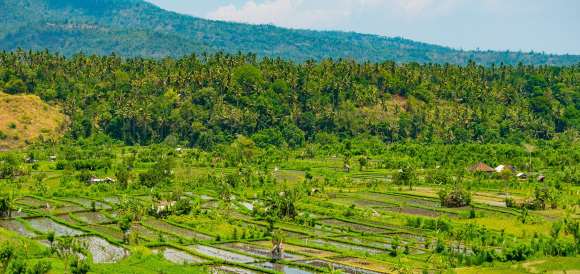
To address this challenge, BRRI researchers established Bangladesh’s first GHG emission monitoring laboratory in Barishal district in September 2024. Funded by development partners, the lab uses advanced equipment from LI-COR Environmental, a biotech research company.
The lab’s automated systems measure real-time emissions of methane, carbon dioxide (CO₂), and nitrous oxide (N₂O) from rice fields. The lab’s setup includes plastic chambers placed over rice plots treated with different fertilizers.
These chambers seal the plots for two minutes, capturing emitted gases and sending the data to computers for analysis. This real-time monitoring is a significant improvement over previous manual methods, which could only measure emissions once every seven days.
The Science Behind Methane Emissions in Rice Fields
Methane is produced in rice fields through the anaerobic decomposition of organic matter by methanogenic bacteria. These bacteria thrive in the oxygen-deprived conditions of flooded rice paddies, breaking down organic compounds like root exudates and added fertilizers.
However, not all methane escapes into the atmosphere. A significant portion is oxidized by methanotrophs, aerobic bacteria that convert methane into less harmful compounds. This oxidation occurs at the interfaces between anaerobic and aerobic zones, such as the soil surface and the areas around rice roots.
The AWD method reduces methane emissions by limiting the anaerobic conditions that favor methanogenic bacteria. By periodically draining the fields, AWD introduces oxygen, promoting the activity of methanotrophs and reducing methane production.
While AWD offers a promising solution, its widespread adoption faces several challenges. Farmers may be reluctant to change traditional practices, and the method requires careful water management to avoid stressing the rice plants. Additionally, the effectiveness of AWD can vary depending on soil type, climate, and other factors.
The GHG monitoring lab will help address these challenges by providing precise data on AWD’s impact under different conditions. This data will enable researchers to develop tailored recommendations for farmers, increasing the likelihood of successful adoption.
A Model for Other Rice-Producing Countries
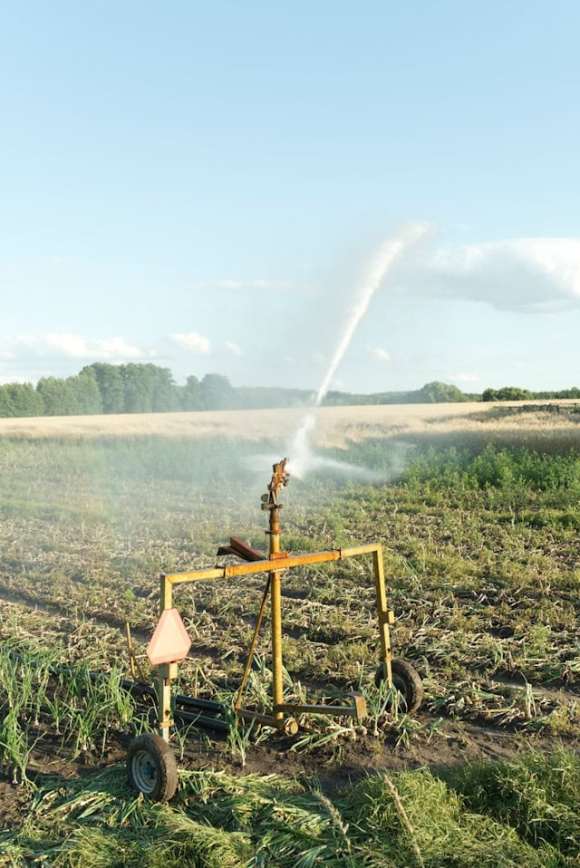
Bangladesh’s efforts to reduce methane emissions from rice cultivation could serve as a model for other rice-producing countries, particularly in Asia. Countries like China, India, and Vietnam, which are major rice producers and methane emitters, could benefit from similar initiatives.
The integration of AWD with real-time GHG monitoring represents a significant step forward in sustainable rice farming. By reducing methane emissions and improving water use efficiency, AWD can help mitigate the environmental impacts of rice cultivation while ensuring food security for millions of people.
Bangladesh’s GHG emission monitoring laboratory and the AWD method are shining examples of how science and innovation can address pressing environmental challenges. By combining advanced technology with sustainable farming practices, BRRI researchers are paving the way for a greener, more sustainable future for rice cultivation.
As the world grapples with the dual challenges of climate change and food security, initiatives like these offer hope. They demonstrate that with the right tools and commitment, we can reduce the environmental impact of agriculture while feeding a growing population.
Sources:
Leave a Reply