

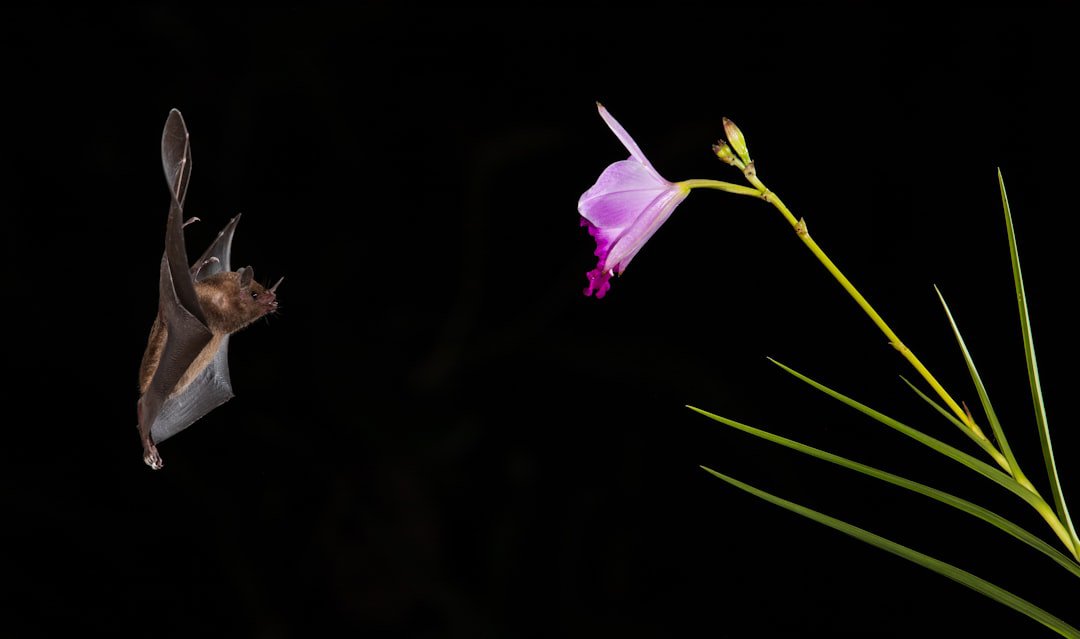
Bats are amazing creatures that come out at night. Many people are afraid of bats because they think bats are scary or dangerous, but the truth is, bats are very helpful animals. Bats play an important role in the environment.
They help control insect populations, spread seeds, and pollinate plants. Without bats, the world would be a very different place, and the environment would suffer.
In this article, we will learn about how bats help the environment and why they are important.
Bats as Insect Eaters

One of the most important ways bats help the environment is by eating insects. Bats are known as insectivores, which means they eat mostly insects. Many bats, especially the small ones, can eat a lot of insects in one night.
Some bats can eat up to 1,000 insects in just one hour! This is very important for controlling the number of insects in the environment. Insects like mosquitoes, moths, and beetles can be pests. They can damage crops, bite people, and carry diseases.
Bats help keep the insect population under control, which is good for farmers and people. If there were no bats, the number of insects would increase, and farmers might have to use more pesticides to protect their crops. Pesticides are chemicals that kill insects, but they can also be harmful to the environment and other animals.
By eating insects, bats reduce the need for pesticides. This is better for the environment because it keeps harmful chemicals out of the soil and water. It also protects other animals, like birds and fish, from being harmed by pesticides. Bats are natural pest controllers, and they help farmers grow healthy crops without using dangerous chemicals.
Bats as Seed Spreaders
Bats also play an important role in spreading seeds. Some bats, especially fruit bats, eat fruits like bananas, mangoes, and figs. After eating the fruit, the bats fly to different places and drop the seeds in new areas. This is called seed dispersal.
Seed dispersal is very important for the growth of new plants and trees. When bats spread seeds, they help forests grow. This is especially important in tropical rainforests, where fruit bats are common. In these rainforests, bats spread the seeds of many different plants and trees, helping the forest stay healthy and strong.
Without bats, many plants would have a harder time spreading their seeds and growing in new places. Bats help keep forests and ecosystems balanced by allowing plants to spread and grow. This also helps animals that depend on these plants for food and shelter. By spreading seeds, bats help create homes for other animals and keep the environment healthy.
Their Work as Pollinators
Another way bats help the environment is by pollinating plants. Pollination happens when pollen from one flower is carried to another flower, allowing the plant to produce fruits and seeds. Many animals, like bees, butterflies, and birds, are pollinators, but bats are also important pollinators, especially for plants that bloom at night.
Some plants, like cacti, mangoes, and bananas, are pollinated by bats. These plants open their flowers at night, and bats visit them to drink the nectar, a sweet liquid found in flowers. As the bats move from flower to flower, they carry pollen on their bodies, helping the plants reproduce.
Without pollinators like bats, many plants would not be able to produce fruits and seeds. This would affect the animals and people who rely on these plants for food.
Bats are important nighttime pollinators, and they help many plants grow and thrive. In some parts of the world, farmers even rely on bats to pollinate their crops. This makes bats very important for both the environment and for people’s food supply.
Bats Help Protect Forests and Farms
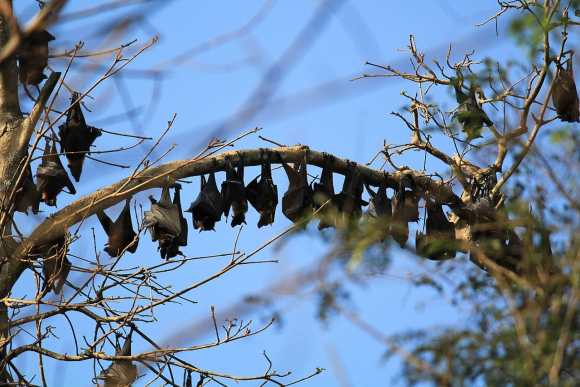
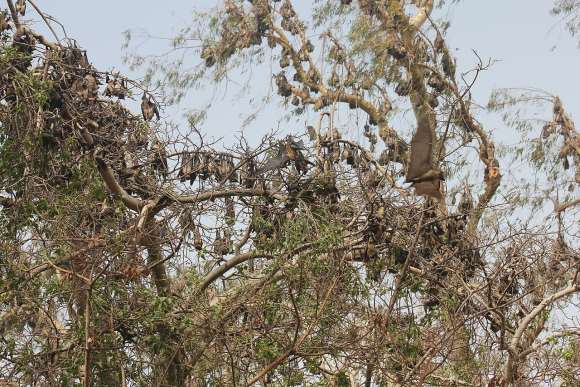
Bats play a big role in keeping forests healthy and protecting farms. In tropical forests, bats are important for spreading seeds and helping trees grow. This helps maintain the balance of the ecosystem and ensures that forests can continue to provide homes for animals and plants.
Bats also help protect forests from insects that can damage trees. By eating harmful insects, bats keep the forest healthy and prevent damage to trees.
On farms, bats are just as important. Many crops, like corn, rice, and vegetables, can be damaged by insects. Bats help farmers by eating these insects and protecting their crops. This saves farmers money because they don’t have to spend as much on pesticides. It also helps produce healthier food because fewer chemicals are used on the crops. In this way, bats benefit both the environment and agriculture.
Bats also help reduce the spread of diseases carried by insects. For example, mosquitoes can carry diseases like malaria and dengue fever. By eating mosquitoes, bats help protect people from these dangerous diseases. This makes bats not only important for the environment but also for human health.
Challenges Bats Face
Even though bats are very helpful to the environment, they face many challenges. One of the biggest problems is habitat loss. As forests are cut down to make room for farms, cities, and roads, bats lose their homes. Without places to live and find food, many bat populations are declining.
Another problem bats face is disease. In recent years, a disease called white-nose syndrome has killed millions of bats in North America. This disease affects bats while they are hibernating, and it makes it hard for them to survive the winter. Scientists are working hard to find ways to protect bats from this disease.
People also harm bats because they don’t understand how helpful they are. In some cultures, bats are seen as bad or dangerous animals, and people kill them out of fear. In reality, most bats are harmless to humans and only want to eat insects or fruit. It’s important to teach people about the benefits of bats and how they help the environment.
How We Can Help Them
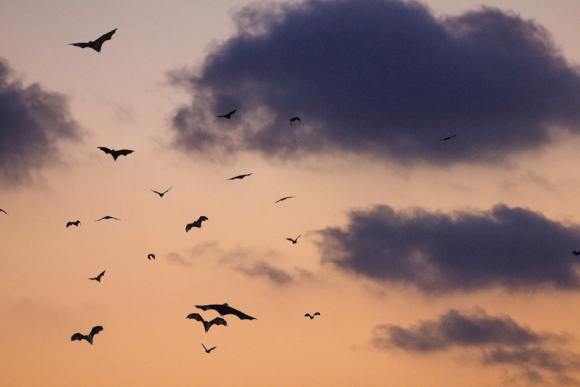
There are many ways we can help protect bats and support their role in the environment. One way is by protecting bat habitats. This means leaving forests and other natural areas untouched so that bats have places to live and find food.
Planting native trees and plants can also help provide food and shelter for bats. Another way to help bats is by reducing the use of pesticides. Since bats eat insects, reducing the use of harmful chemicals on crops can help protect bats from being exposed to dangerous substances.
Not only that, farmers and gardeners can also build bat houses, which give bats a safe place to live and raise their young.
Sources:
Leave a Reply