

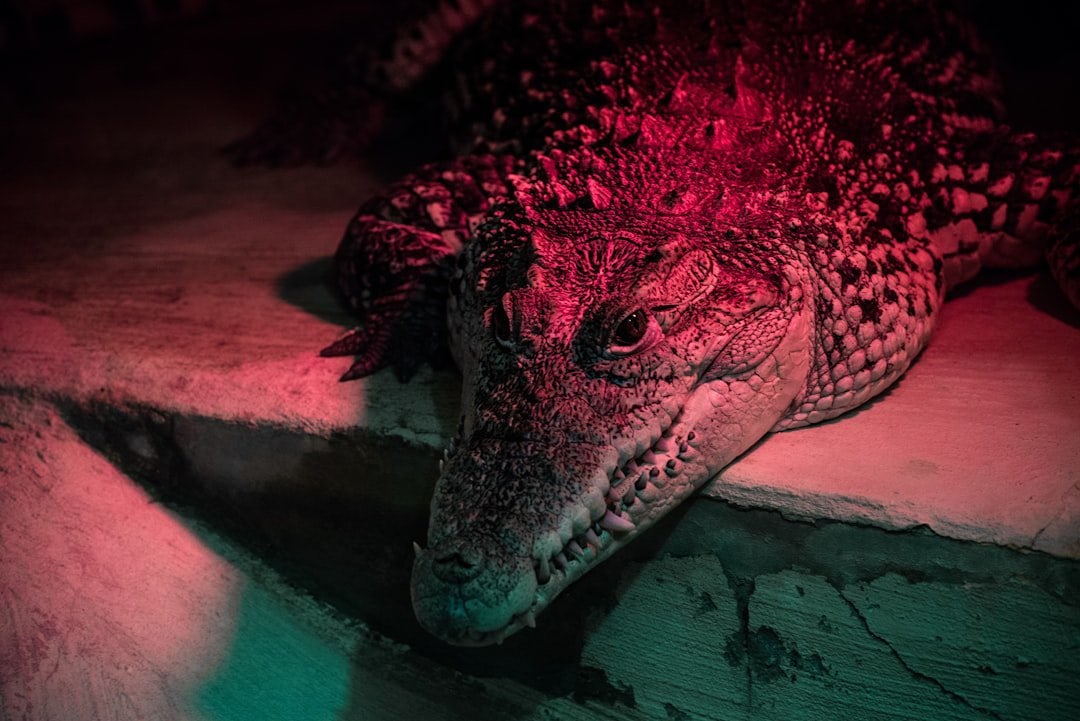
In nature, some animals form fascinating partnerships to help each other survive. This relationship, known as symbiosis, is important for many species, allowing them to thrive in ways they wouldn’t be able to alone.
One of the most captivating examples of symbiosis occurs between the Nile crocodile and the Egyptian plover, a small bird. This unusual duo has developed a unique bond that not only benefits each of them but also supports the health of their shared environment.
Want to learn more about it? Here in this article we are indeed going to talk about it.
How the Egyptian Plover Helps the Nile Crocodile

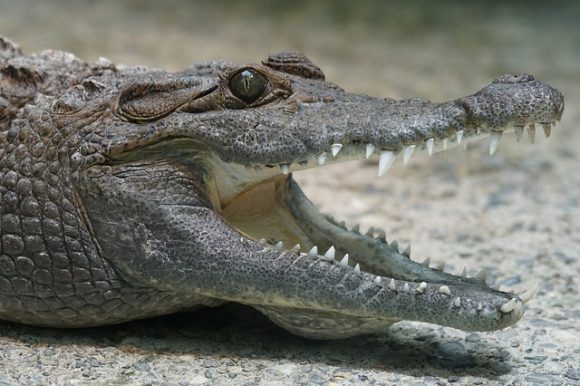
The Egyptian plover plays a crucial role in maintaining the Nile crocodile’s health by acting as a “dentist” for the large reptile. After a crocodile finishes eating, bits of food often get lodged between its teeth. If left unattended, these food particles can lead to bacterial growth, infections, or parasites that could harm the crocodile’s health over time.
The Egyptian plover bird feeds on these leftover food particles and any parasites in the crocodile’s mouth. When a crocodile opens its mouth to signal that it’s ready for a “cleaning,” the plover flies in and picks out pieces of meat, debris, and harmful parasites. This process not only provides a free meal for the bird but also keeps the crocodile’s mouth clean, preventing infections and tooth decay.
For the crocodile, this service is important. Crocodiles don’t have the ability to clean their own teeth, so the help of the Egyptian plover keeps them healthy and infection-free. By allowing the bird to clean its teeth, the crocodile avoids discomfort, maintains strong teeth, and stays in better health, which is vital for a top predator that depends on strength and health for survival. For the Egyptian plover, this symbiotic arrangement provides a reliable food source with minimal effort.
How This Relationship Helps Nature
The symbiosis between the Nile crocodile and the Egyptian plover goes beyond simply helping these two species—it benefits the broader ecosystem as well. Here’s how this relationship impacts their environment:
Promoting Health in the River Ecosystem
By keeping the crocodile’s mouth clean, the Egyptian plover indirectly helps prevent the spread of bacteria and parasites that could otherwise proliferate in the river. An infection or disease in a top predator can impact other animals in the ecosystem, especially if a disease spreads to other species. By maintaining the crocodile’s health, the plover contributes to the overall cleanliness and balance of the river environment.
Regulating Prey Populations
Healthy Nile crocodiles play a vital role in controlling populations of fish, small mammals, and other animals in the river ecosystem. As apex predators, crocodiles help prevent any single prey species from becoming overly abundant, which would otherwise strain resources and disrupt the ecosystem. By eating weaker or diseased animals, crocodiles also help maintain a healthier gene pool among prey species. The Egyptian plover’s cleaning service supports this role, helping to keep the crocodile in peak condition.
Enhancing Biodiversity and Ecosystem Stability
In ecosystems, every species has a role that contributes to a greater balance. The presence of a healthy crocodile population, supported by the Egyptian plover, helps maintain a stable food chain. This symbiosis supports biodiversity, which refers to the variety of life within an ecosystem. Biodiversity makes ecosystems more resilient to changes, whether they come from natural events or human activities. Through their symbiotic relationship, the Nile crocodile and Egyptian plover help strengthen the ecosystem, supporting a range of species that rely on a balanced environment.
Challenges and Conservation of These Species

While the Nile crocodile and Egyptian plover benefit greatly from their relationship, both species face serious threats that put their populations at risk. Here’s an overview of the challenges they face and efforts to protect them:
Threats to Nile Crocodiles
Nile crocodiles face a range of environmental pressures. Human activities, such as dam construction and river pollution, disrupt their natural habitats, making it harder for them to find clean water and suitable areas to live and hunt. Dams, for example, change water levels and flow rates, which can destroy nesting sites or reduce fish populations that crocodiles rely on for food.
Illegal hunting, or poaching, also threatens Nile crocodiles, particularly for their valuable skin. In some regions, crocodile populations have declined due to poaching for leather, which is used in luxury goods. Reduced crocodile populations can have ripple effects on the ecosystem, impacting the balance of species and the health of the environment.
Threats to Egyptian Plovers
The Egyptian plover faces similar environmental challenges, particularly habitat loss due to river alteration and development along waterways. As rivers are modified, the bird loses access to safe nesting sites and areas rich in food. Additionally, a decline in crocodile populations can indirectly affect the plover’s access to its unique food source.
For both species, habitat loss and environmental changes pose serious risks. The loss of either species would have consequences not only for them but for the broader ecosystem.
Conservation Efforts
Conservation of both Nile crocodiles and Egyptian plovers is important to preserving this unique symbiosis. Significant efforts have been made to protect these species, particularly through safeguarding their river and wetland habitats.
In case of protecting wetland and river habitats, extensive efforts have been made to protect areas where Nile crocodiles and Egyptian plovers live. Conservation organizations, in collaboration with local governments, have established numerous protected areas along rivers to limit human development and pollution.
In term of regulating and reducing poaching, stringent anti-poaching laws and initiatives have been implemented to protect Nile crocodiles from illegal hunting. Enforcement of these laws has been significantly strengthened, and awareness campaigns have effectively discouraged the sale and purchase of crocodile products.
Not only that, efforts about raising awareness about ecosystem importance and extensive public awareness campaigns have been conducted to educate the public on the ecological roles of Nile crocodiles and Egyptian plovers. Schools, zoos, and environmental groups have played a crucial role in sharing information about the importance of these species and their contributions to ecosystem health.
sOURCES:
Leave a Reply