


Waste, as the most valuable resource, has attained a lot of fame recently driven by the ever-evolving concerns related to the economy and the environment.
In our post today we will aim for the main importance of the topic that limelights the recycling and reuse of waste, scopes in the economy, and innovative waste management techniques.
The Problem with E-Waste
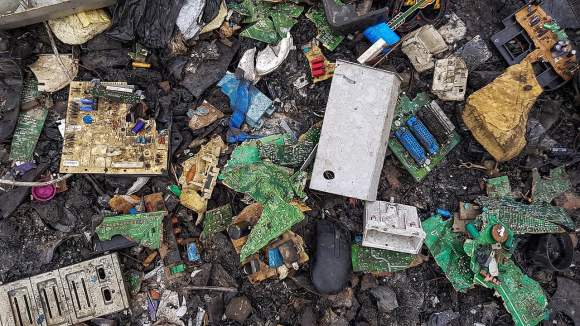
E-waste is the most intricate and globally recognized concern. It is often noted that consumers are buying their latest electronic devices while not considering the proper disposal of their old devices.
The outcome of this practice involves piling up landfills with discarded electronic devices that consist of health-hazardous materials such as lead, mercury, and cadmium.
By some estimates, over 50 million metric tons of e-waste are generated globally on an annual basis – and this figure is only set to expand exponentially as technology proliferates every facet of modern life.
Not following adequate practices for waste disposal will lead to environmental pollution and growing health risks among the communities that homes around these disposal areas.
The Circular Economy Approach
To fully understand the concept of rethinking waste as a valuable resource, it is essential to define the main terms and concepts.
Waste-to-energy focuses on the procedure involved in converting waste materials into usable energy like heat or electricity. The process reduces the volume of waste while harnessing the energy potential of waste.
Moreover, upcycling is the term mainly used for describing the process of transforming waste materials into products of higher value or quality. Upcycling aims to innovatively repurpose waste without affecting its integrity, unlike recycling, which breaks down the materials, creating new ones.
Promoting Sustainable Choices
Possibility of Waste Reuse And Recycling
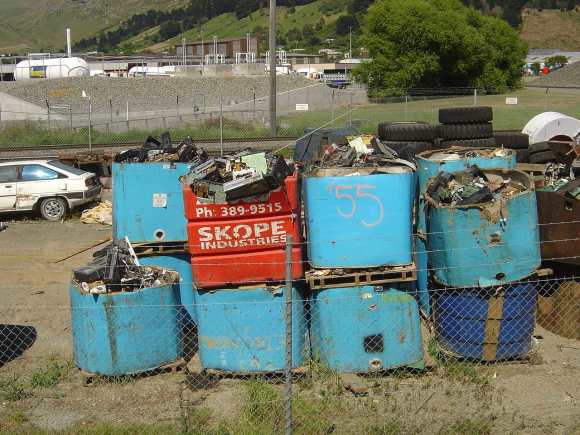
Reuse and recycling of waste typically present a huge potential to transform the outlook of waste into a valuable resource.
Considering the ever-growing factor of electronic waste, the market these days is witnessing the rising recycling of electronic products.
People can opt for a more sustainable option, like refurbished laptops and electronics, to reduce the growing impact of e-waste. It is in this way that it helps to reduce resource depletion and reduce the need for raw materials.
Facilitating Repair and Refurbishment
The other vital component of this circular economy is facilitating the repair and refurbishment of electronic devices like refurbished laptops.
Consumers should have rapid access to affordable repair services and spare parts instead of discarding malfunctioning gadgets.
Encourage a better culture of repair to extend the lifespan of the products and create better economic scopes for the technicians and the repair businesses.
Additionally, refurbished laptops and desktops offer more environmentally friendly and affordable alternatives to buying a new set of devices.
Innovative Waste Management Strategies
Along with recycling, innovative approaches in the waste management sector contribute to rethinking waste as the main resource.
Waste-to-energy systems, for instance, use waste’s energy potential by significantly converting it to heat or electricity.
Another technique involved is the breaking down of organic waste in the absence of oxygen, generating nutrient-rich compost or biogas.
Other than the centralized waste management systems, there is an evolving interest in decentralized waste management tactics and the initiatives taken by the communities.
The approaches will help empower the communities to take charge of their waste while exploring the local solutions to help promote a better sense of environmental stewardship and responsibility.
Economic Scopes in The Waste Sector
Rethinking waste as a valuable resource will benefit the environment and present several economic opportunities.
One of the main perks is the creation of jobs. The entire waste sector offers employment opportunities in waste collection, recycling facilities, and the development of new systems and technologies.
Furthermore, treating waste as a valuable resource will help businesses to attain better cost savings. Instead of buying the new materials they will source these recycled and upcycled materials by reducing the cost of production.
Current Trends or Developments
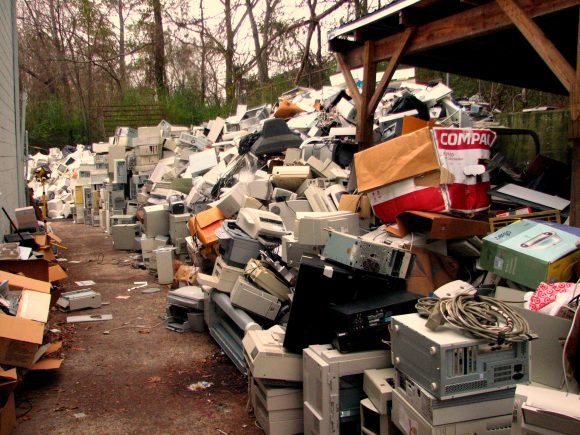
Recent trends in waste management effectively reflect the rising popularity of zero-waste electronic and sustainable packaging.
They help businesses and people actively search for alternatives to single-use plastics and adopt practices to reduce waste generation. The change in consumer behavior will drive innovation across waste management, encouraging the development of sustainable solutions.
Additionally, ongoing research and technological advancements are constantly enhancing waste recycling and resource recovery processes.
Advances in sorting technologies allow more efficient separation of the varied forms of waste, which facilitates recycling efforts. These recent developments will contribute to the constant enhancement of waste management practices.
Challenges or Controversies
As we rethink waste as a valuable resource with a series of benefits, these are the key challenges often linked with its rapid implementation.
The lack of infrastructure across developing countries will pose a notable hurdle in establishing effective waste management systems.
Furthermore, public awareness and education are often regarded as waste management practices that need a boost to drive widespread participation.
Certain waste management approaches, like waste-to-energy systems, are controversial. Some argue that the systems will perpetuate dependency on fossil fuels, discouraging efforts to reduce waste.
Future Outlook
Looking at the future, rethinking waste as a resource will hold a notable promise. The rapid advancements in waste management technologies will further optimize the waste recycling and reuse processes.
The circular economy is protected by the government and international agreements with the implementation of regulations and offering better support for sustainable waste management practices.
Conclusion

Rethinking waste as a valuable resource is important for economic growth and environmental sustainability, too. Overcoming these challenges while targeting the future will create the way for a more resource-oriented and sustainable world.
But, attaining a circular economy for e-waste practices will involve concerted efforts from every stakeholder including businesses, policymakers, and consumers.
Together, we can effectively rethink our approach to e-waste management and create a highly sustainable and resilient electronic industry for future generations.
Leave a Reply