

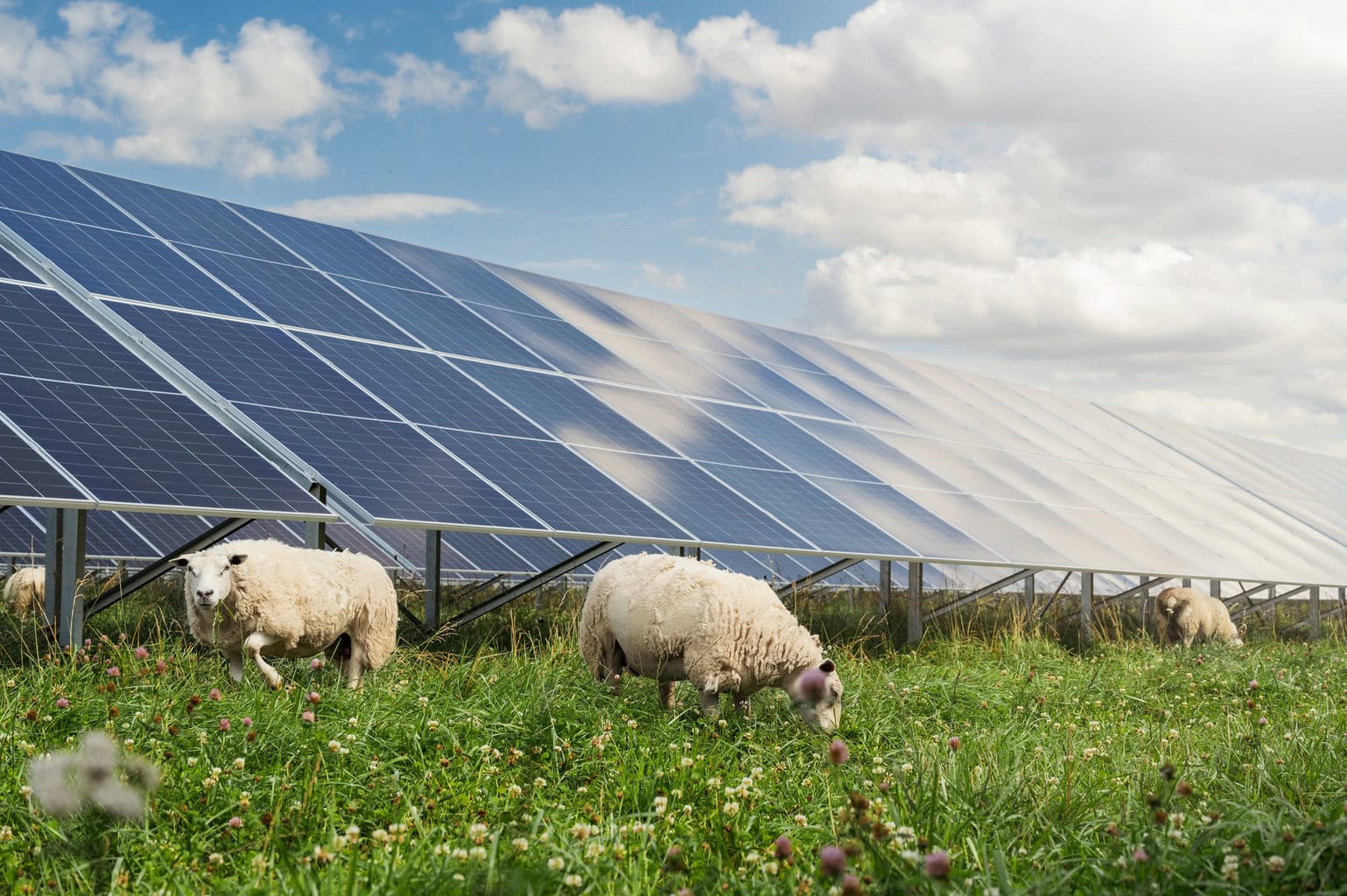
Clean energy is transforming agricultural projects, offering sustainable solutions to reduce environmental impact and promote efficiency.
By integrating renewable energy sources, farming practices are becoming more innovative, cost-effective, and eco-conscious, paving the way for a greener future in agriculture.
This article explores the transformative role of clean energy in powering agricultural innovations, highlighting its benefits, challenges, and future potential in fostering a resilient and sustainable food system.
Smart Energy Solutions
Eco-friendly agricultural projects are being transformed by standalone solar systems, which enhance productivity while minimizing environmental impact.
These systems operate independently of the electrical grid, making them ideal for remote farms. Here’s how they benefit agriculture:
- Energy Independence: Generate electricity on-site, cut fossil fuel reliance, and lower energy costs, perfect for off-grid rural areas.
- Sustainability: Reduce carbon footprints; a single standalone solar system offsets significant CO₂ emissions, promoting healthier ecosystems.
- Versatility: Power irrigation pumps, greenhouse lighting, and storage facilities, enabling greater operational efficiency.
- Resilience: Provide reliable power amid climate variability, ensuring operations persist during outages or extreme weather events.

Harnessing solar energy standalone systems is driving agriculture toward resilience and environmental responsibility.
Buzzing Towards Sustainability
Integrating clean energy solutions like solar power with bee colonies revolutionizes eco-friendly agricultural practices.
This innovative pairing enhances crop productivity, promotes biodiversity, and fosters environmental sustainability, paving the way for a greener, more resilient agrarian future. Here’s how:
- Pollination Power: Bee colonies pollinate various crops, contributing over $500 billion in global food production. Healthy bee populations directly improve agricultural yields.
- Solar Co-Location: Solar farms paired with beekeeping support bee colonies by offering habitats with flowering plants under solar panels, boosting pollinator populations.
- Environmental Benefits: Integrating bee colonies into solar farms enhances soil health, water filtration, and overall ecosystem resilience against climate change impacts.
- Economic Potential: Farmers gain new revenue through honey sales, while solar farms benefit from reduced maintenance costs thanks to pollinator-friendly vegetation.

We can build a resilient, biodiversity-friendly agriculture system to combat climate challenges by leveraging bees and solar energy.
| Weather Monitoring Systems: Pair renewable energy systems with advanced weather monitoring tools to predict and optimize renewable energy generation based on local conditions. |
Transforming Farms with Clean Energy
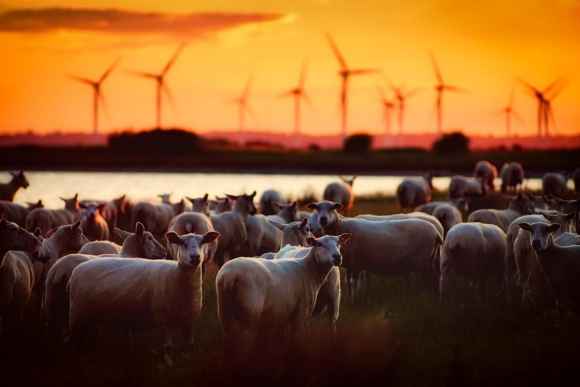
Wind energy is becoming a transformative force in sustainable agricultural practices. By leveraging the natural power of the wind, farmers can reduce their carbon footprint, boost operational efficiency, and adopt more eco-friendly farming methods.
Benefits of Wind Energy in Agriculture
Renewable Energy Source
Wind turbines generate electricity by converting kinetic wind energy, offering a clean and renewable alternative to fossil fuels. This reduces greenhouse gas emissions significantly.
Cost Savings
Wind energy powers essential activities like irrigation, grain drying, and livestock barn heating. Farms with wind turbines report:
- Lower operational costs
- Savings redirected toward other sustainable practices
Improved Soil Health
Reducing diesel and pollutant dependence facilitates a transition to organic and regenerative farming methods, enhancing soil health and sustainable crop production.
Dual Land Use
Wind turbines can coexist with farming, allowing:
- Farmers to continue crop cultivation or livestock raising
- Opportunities for additional income through land leasing or revenue-sharing with energy producers
Climate Resilience
Wind energy provides:
- Stable power to mitigate extreme weather disruptions
- Diversified energy sources to reduce vulnerability to energy price fluctuations
By integrating wind energy, farmers can contribute to carbon reduction and strengthen agriculture’s long-term sustainability. Wind energy is a cornerstone in building a greener and more resilient agricultural sector as adoption grows.
Powering Sustainable Farming Operations
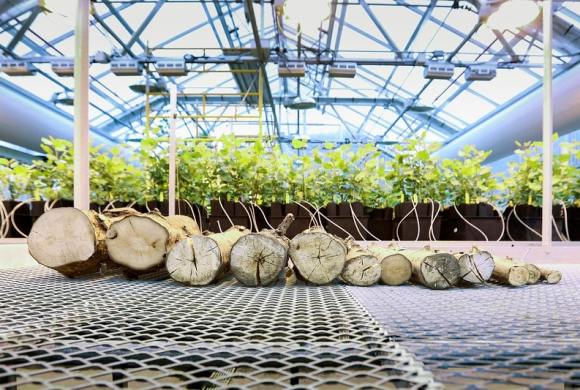
Photo by Jason Richards/ORNL from flickr.com
Alt Text: biomass for bioenergy at Oak Ridge National Laboratory
Biomass energy is poised to transform eco-friendly farming operations and offer a sustainable solution to meet the energy demands of modern agriculture.
By utilizing organic materials such as crop residues, animal waste, and dedicated energy crops, farmers can harness biomass to generate renewable energy while simultaneously enhancing their environmental stewardship.
The table below highlights the key advantages of clean energy adoption in agriculture and its positive impact on farming practices.
| Advantage | Description | Impact on Agriculture |
| Sustainable Energy Production | Utilizes locally available organic materials to generate renewable energy | Reduces reliance on fossil fuels and emissions |
| Waste Reduction and Resource Efficiency | Converts agricultural by products into energy, minimizing waste | Promotes a circular economy and reduces landfill contributions |
| Economic Opportunities | Creates new revenue streams from selling excess energy or biomass feedstocks | Enhances farm profitability and supports rural economic development |
| Improved Soil Health | Produces biochar that enhances soil fertility and moisture retention | Supports crop productivity and climate change mitigation |
| Energy Independence | Allows farmers to generate their energy, reducing dependence on external sources | Ensures consistent power for critical operations |
As technology advances and awareness grows, biomass energy is set to become an integral part of eco-friendly agricultural practices, paving the way for a more sustainable food system.
Irrigation Revolution
Irrigation systems powered by renewable energy revolutionize eco-friendly agriculture by offering sustainable, cost-effective, and efficient water management solutions. They minimize environmental impact while promoting resilience and innovation in farming.

Photo by pressfoto from Freepik.com
Alt Text: male and female farmers working together
Benefits of Renewable Energy-Powered Irrigation Systems:
- Sustainable Water Management: Solar panels power pumps to draw water efficiently from wells or surface sources, reducing reliance on fossil fuels.
- Cost Savings: Eliminates electricity bills tied to traditional methods, enabling farmers to reinvest savings into other sustainable practices.
- Enhanced Resilience: Enables irrigation during power outages and energy price fluctuations, ensuring crops receive water year-round.
- Environmental Stewardship: Decreases greenhouse gas emissions, lowering agriculture’s carbon footprint and aiding climate change efforts.
- Integration with Other Practices: Combines drip irrigation and rainwater harvesting, boosting water efficiency and soil health.
Farmers can meet their water needs sustainably by adopting renewable energy-powered irrigation while contributing to global environmental goals.
As clean energy technology advances, these innovative systems will continue shaping a resilient and eco-friendly agricultural future.
| Green Roofs on Structures: Build green on barns and storage facilities to manage energy needs while improving insulation. |
Cultivating a Greener Tomorrow
Clean energy is paving the way for a sustainable agricultural revolution, offering innovative solutions to combat climate change, reduce costs, and enhance productivity. By integrating renewable energy innovations, farmers are safeguarding their livelihoods and contributing to a healthier planet.
Embrace the power of clean energy and join the movement toward a resilient, efficient, and environmentally responsible agricultural future.
Leave a Reply