

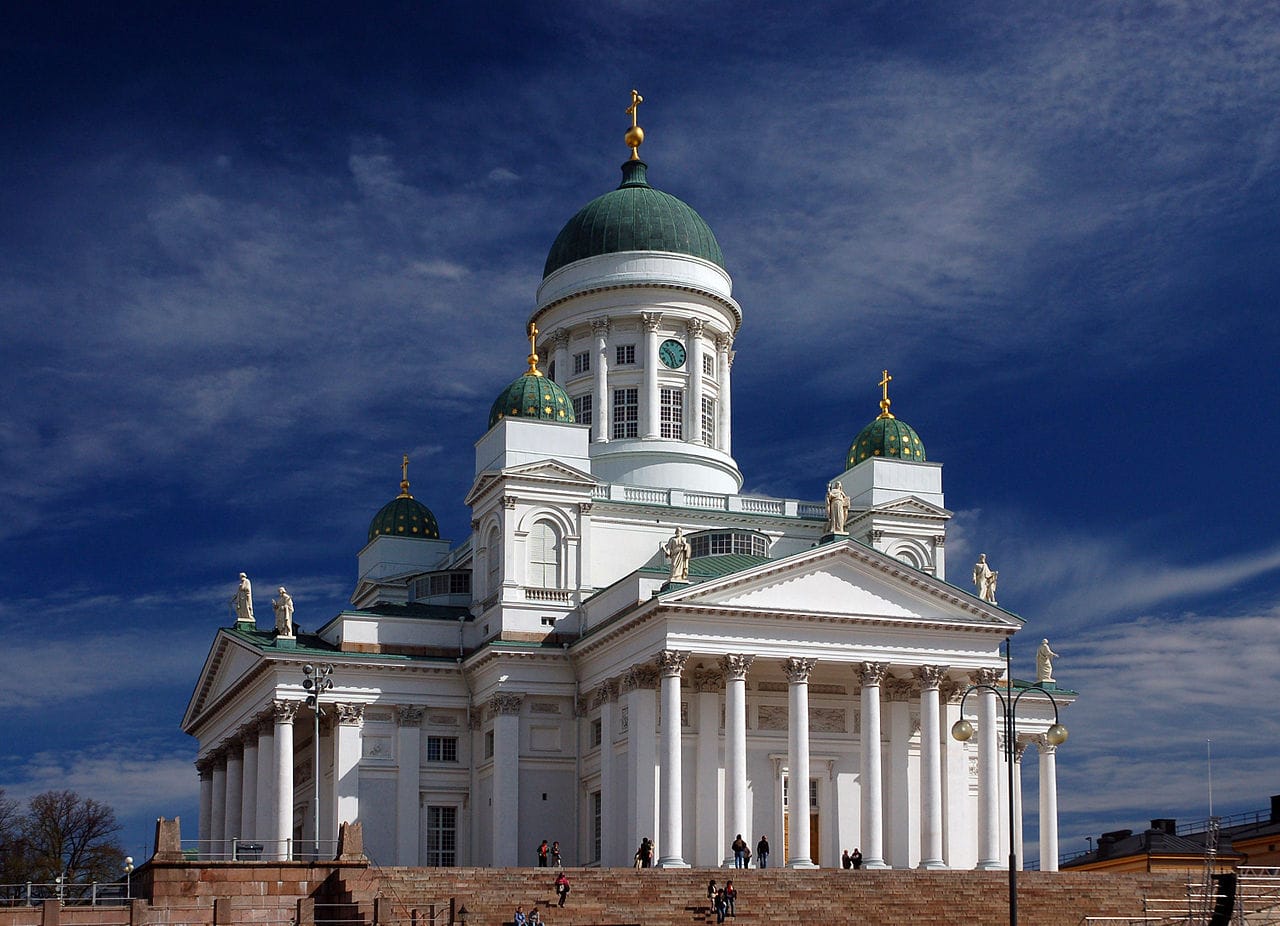
The geographical proximity and shared environmental ideals between Tallinn, Estonia, and Helsinki, Finland, offer a unique opportunity for the two cities to collaborate on sustainability initiatives.
This paper explores the dynamic cross-border relationship that has allowed for the development of innovative sustainability projects aimed at achieving mutual ecological goals.
By examining a variety of collaborative efforts ranging from green technology adoption and waste management to sustainable urban planning and public transportation upgrades, we highlight how these neighboring cities serve as models for international cooperation on environmental issues.
This article not only sheds light on the successes and challenges faced by Tallinn and Helsinki but also offers insights that could guide future cross-border sustainability ventures around the globe.
Green Technology & Innovation

The adoption of green technologies in both Tallinn and Helsinki has set a precedent for urban sustainability. Initiatives such as the installation of solar panels on public buildings and incentives for businesses to adopt cleaner energy sources illustrate the commitment of both cities to reduce their carbon footprint.
These measures not only contribute to the global effort against climate change but also foster a culture of innovation and environmental responsibility within the local communities.
In addition to energy solutions, the development and use of sustainable materials in construction projects have gained traction.
Both cities have embarked on ambitious plans to incorporate eco-friendly building materials and energy-efficient design in new developments. This not only reduces the environmental impact of construction but also ensures long-term sustainability and cost savings for the city’s infrastructure.
With smart city technologies and data-driven solutions, Tallinn and Helsinki are leading the way in utilizing cutting-edge innovations to create more sustainable urban environments. It is crucial for cross-border partnerships to continue promoting the adoption of green technology and innovation in order to achieve common environmental goals.
Waste Management & Recycling
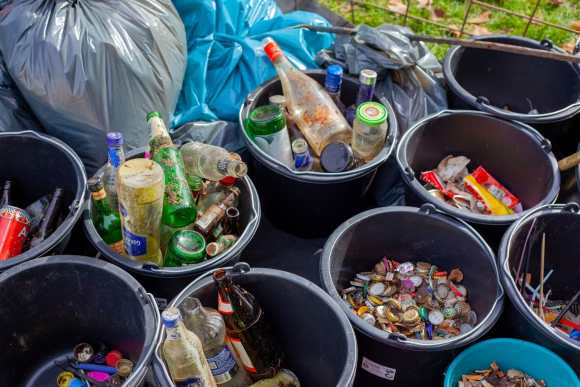
Waste management strategies between Tallinn and Helsinki have become increasingly synchronized, focusing on reducing landfill waste and increasing recycling rates. Both cities have introduced comprehensive recycling programs that encourage citizens to sort their waste, complemented by the use of smart technology to monitor and manage waste collection more efficiently.
These efforts have led to significant reductions in waste per capita and have served as a model for effective waste management practices.
The cities are exploring innovative uses for recycled materials, such as converting organic waste into bioenergy and repurposing materials for public infrastructure projects.
Education campaigns play a pivotal role in these initiatives, raising awareness about the importance of recycling and waste reduction. By fostering a culture of sustainability, Tallinn and Helsinki aim to achieve a circular economy that minimizes waste and maximizes resource efficiency.
Sustainable Urban Planning

Urban planning in Tallinn and Helsinki prioritizes green spaces, sustainable transportation, and the integration of nature into city life. Efforts to expand public parks and green corridors not only enhance the aesthetic appeal of the cities but also improve air quality and provide residents with accessible outdoor recreational areas.
These green initiatives promote physical health, mental well-being, and a deeper connection with the environment among the urban population. Sustainable transportation is another key focus, with both cities investing in electric public transport systems and biking infrastructure.
The development of extensive bike lanes and the promotion of electric bikes and scooters aim to reduce reliance on fossil-fueled vehicles, thereby decreasing urban air pollution and contributing to a greener cityscape. These changes reflect a broader vision of creating compact, connected, and environmentally friendly urban environments.
Public Participation & Education

Engaging the public in sustainability initiatives is crucial for their success. Tallinn and Helsinki have implemented various platforms and events, such as workshops, seminars, and interactive projects, to educate citizens about environmental issues and encourage active participation.
These activities not only inform the public but also foster a sense of community and collective responsibility toward achieving sustainability goals.
Schools in both cities have integrated sustainability into their curricula, teaching children the importance of environmental stewardship from a young age. This education is supplemented by community clean-up days, recycling challenges, and other participatory events that unite individuals in their commitment to a sustainable future.
Through these efforts, Tallinn and Helsinki are cultivating a generation of environmentally conscious citizens equipped to continue the work of making their cities and the world more sustainable.
Challenges and Opportunities for Future Development

Despite the successes of Tallinn and Helsinki in cross-border sustainability, there are still challenges that require attention. Differences in regulations, funding, and political priorities can create barriers to collaboration between the two cities.
Addressing these challenges will require continued communication and cooperation between stakeholders, including city officials, businesses, and citizens.
As sustainability becomes an increasingly pressing issue globally, there are also opportunities for Tallinn and Helsinki to expand their cross-border partnership to a larger scale. Tallinn and Helsinki are just one example of neighboring cities collaborating on sustainability initiatives.
The collaboration between Tallinn and Helsinki on sustainability initiatives is a testament to the power of cross-border partnerships in tackling global environmental challenges.
By sharing knowledge, resources, and innovative ideas, these cities have made significant progress toward creating more sustainable urban environments.
Leave a Reply