

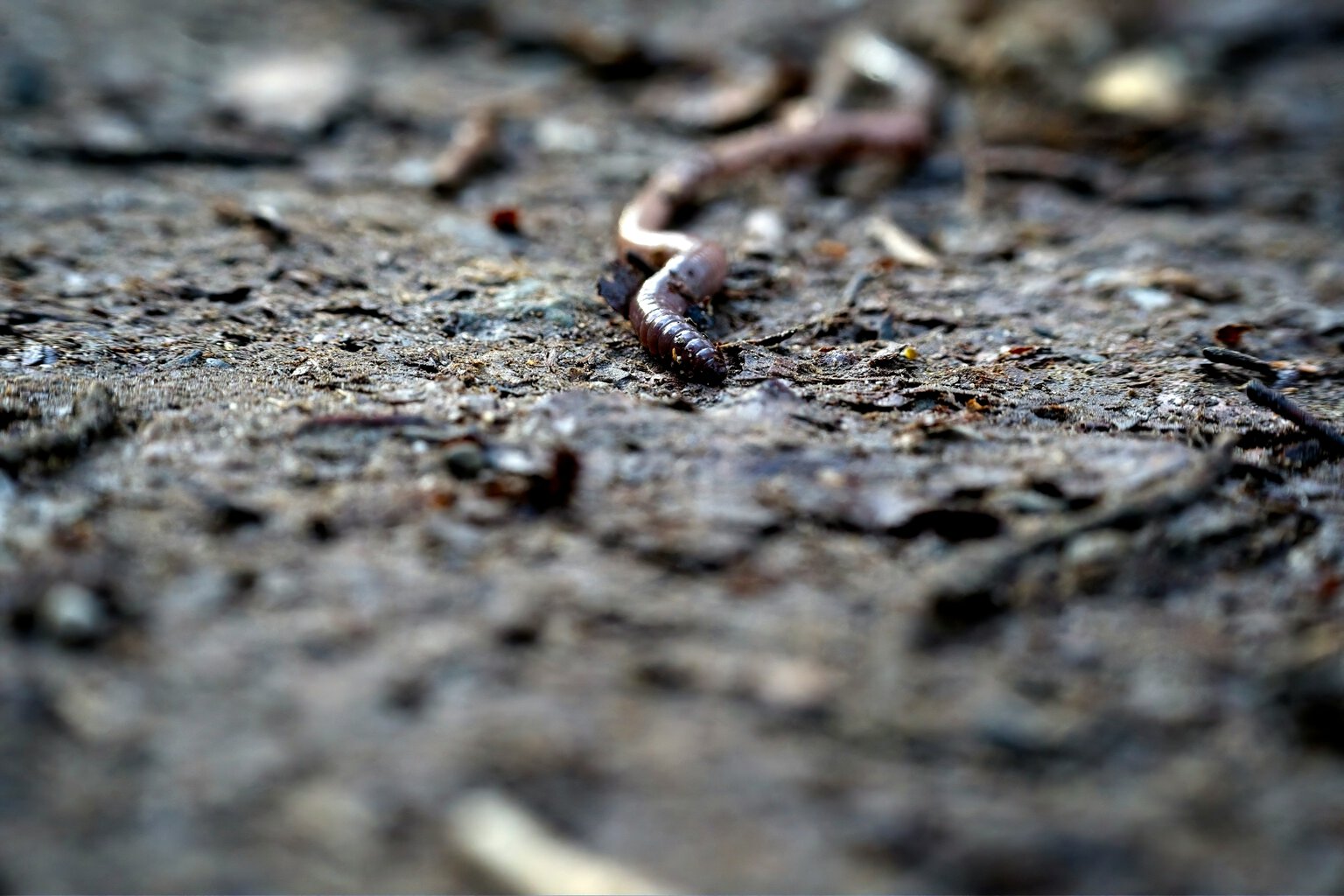
Earthworms are one of the most underrated creatures on this planet. Many people eww them, while if they really understand what kind of things they can give us most people will just aww them.
Here, in this article, we want to talk more about earthworms so we can change from the eww to the aww.
Simple Introduction to Earthworms

Earthworms are often overlooked but hugely advantageous in agricultural ecosystems, including rice fields. These humble creatures play a important role in ground health and fertility, leading to increased crop yields and sustainable farming practices.
Although sometimes mistaken for pests, earthworms are actually indispensable allies for farmers, enhancing the productivity and resilience of rice fields.
Physical Characteristics of Earthworms
Earthworm is segmented invertebrates belonging to the phylum Annelida. They vary in size from a few centimeters to over a meter in length, depending on the species. Common earthworms in agricultural grounds include species from the genera Lumbricus, Eisenia, and Pheretima.
Earthworms have a cylindrical, elongated body divided into segments called annuli. Each segment has muscles and bristles (setae) that help them move.
Earthworms lack eyes but have light-sensitive cells to detect environmental changes. They breathe through their skin, that must remain moist for gas exchange.
Habitat and Distribution
Earthworms are found worldwide in various ground types and climates. They are particularly abundant in moist, fertile grounds rich in organic matter.
In rice fields, earthworms thrive in the flooded conditions typical of paddy cultivation, where they significantly contribute to ground structure and fertility.
Rice fields provide an ideal habitat for earthworms due to high organic matter from crop residues and consistent moisture levels. Incorporating straw and other organic materials into the ground further enhances the suitability of rice fields for earthworms.
Earthworms Are Interesting
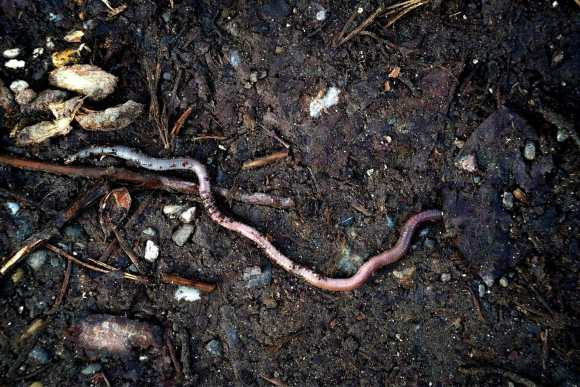
Earthworm has several interesting biological features that make them highly advantageous to agricultural ecosystems. Their burrowing and feeding activities greatly impact ground structure, nutrient cycling, and plant growth.
Ground Aeration and Structure
One of the most significant contributions of earthworms to rice fields is ground aeration. As they burrow through the ground, earthworms create tunnels and channels.
These burrows allow air to penetrate the ground, increasing oxygen availability for plant roots and ground microorganisms. Improved aeration also facilitates water infiltration and drainage, reducing waterlogging and improving overall ground structure.
Nutrient Cycling
Earthworm plays a crucial role in nutrient cycling by breaking down organic matter and converting it into forms that plants can absorb. As they consume ground and organic residues, earthworms digest these materials and excrete nutrient-rich casts (worm castings).
These casts contain higher concentrations of important nutrients like nitrogen, phosphorus, and potassium compared to the surrounding ground.
This continuous process of ingesting and excreting ground and organic matter enhances ground fertility, promoting healthy plant growth. The presence of earthworms in rice fields can lead to increased nutrient availability and improved crop yields.
Decomposition and Organic Matter
Earthworm speed up the decomposition of organic matter by breaking down crop residues, manure, and other organic materials. Their feeding activities fragment these materials, making them more accessible to microbial decomposers. This process converts organic matter into humus, a stable form of organic carbon that improves ground structure and nutrient retention.
Decomposition by earthworm releases important nutrients into the ground, supporting rice plant growth. Earthworm casts and decomposed organic matter improve ground water-holding capacity and cation exchange capacity, further benefiting crop production.
How Earthworms Contribute to Ecology

Earthworms are keystone species in many agricultural ecosystems, including rice fields. Their presence and activities support a various range of ground organisms and contribute to overall ecosystem health and resilience.
Biodiversity from Earthworm
The burrows and casts created by earthworms provide habitat and resources for various ground organisms, including bacteria, fungi, nematodes, and microarthropods. These organisms form complex food webs that drive nutrient cycling and ground health.
The enhanced ground structure and nutrient availability from earthworm activity create favorable conditions for various microbial communities, promoting ground biodiversity.
Pest Control
While earthworm doesn’t directly control pests, their activities can indirectly reduce pest populations. Healthy, well-structured grounds with high organic matter support robust plant growth, making crops more resilient to pests. Additionally, increased biodiversity from earthworm activity can enhance the abundance of natural pest enemies, aiding biological pest control.
Carbon Sequestration
Earthworm contributes to carbon sequestration by promoting the formation and stabilization of ground organic matter. The humus created through decomposition by earthworms stores carbon in the ground, helping mitigate climate change. Enhanced ground organic carbon also improves ground fertility and water retention, benefiting crop production.
Benefits to Rice Cultivation

Earthworms in rice fields offer numerous benefits to farmers and the environment:
- Increased Ground Fertility: Earthworm activity enhances nutrient availability and ground fertility, leading to better crop yields and quality.
- Improved Ground Structure: Earthworm burrowing and casting improve ground aeration, water infiltration, and drainage, reducing waterlogging and ground erosion risks.
- Enhanced Water Management: Improved ground structure and water-holding capacity from earthworm activity help manage water more efficiently in rice fields, especially in areas with variable rainfall.
- Sustainable Farming Practices: The natural benefits provided by earthworms reduce the need for chemical fertilizers and pesticides, promoting sustainable and environmentally friendly farming practices.
Earthworms in Rice Fields
Farmers can take several measures to conserve and encourage earthworm populations in rice fields:
Organic Matter Management
Incorporating organic matter like crop residues, green manures, and compost into the ground provides food and habitat for earthworms. Practices like crop rotation and cover cropping can enhance organic matter levels and support earthworm populations.
Reduced Tillage
Minimizing ground disturbance through reduced tillage or no-till practices helps maintain earthworm burrows and habitat. These practices also save ground structure and organic matter, benefiting both earthworms and crop production.
Avoiding Harmful Chemicals
Reducing the use of chemical fertilizers and pesticides that harm earthworms is crucial. Farmers can adopt integrated pest management (IPM) practices and use organic or less harmful alternatives to protect ground biodiversity and health.
Moisture Management
Maintaining adequate ground moisture levels is important for earthworm survival and activity. Proper irrigation management and water conservation practices can help create favorable conditions for earthworms in rice fields.
Sources:
Leave a Reply