

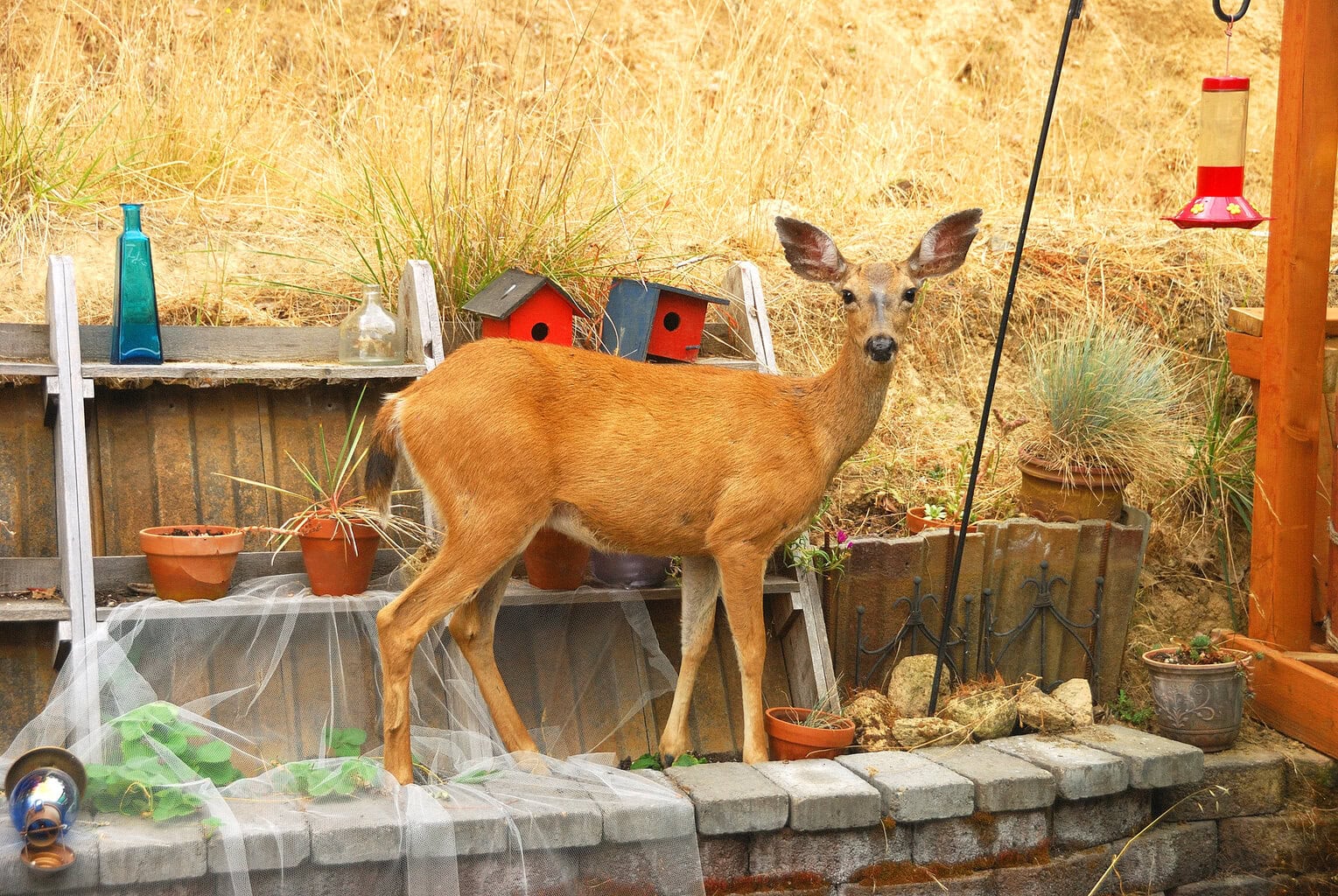
Creating an effective barrier against deer doesn’t have to come at the cost of environmental responsibility. As more gardeners and homeowners seek sustainable solutions for wildlife management, eco-friendly fencing options have emerged as practical alternatives that protect gardens while respecting both the environment and local ecosystems. These green solutions offer durability, effectiveness, and peace of mind for environmentally conscious property owners who want to maintain their landscapes without harming the natural world around them.
Natural and Biodegradable Fencing Materials
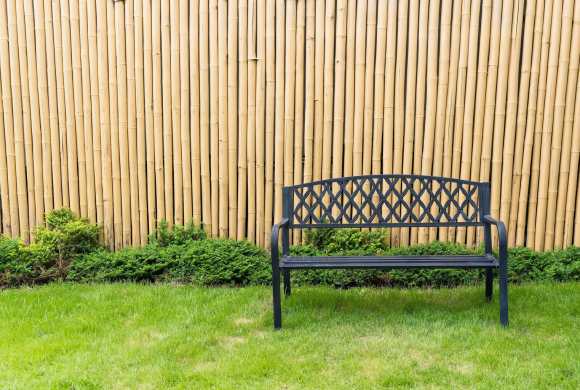
Bamboo fencing stands out as one of the most sustainable options available for deer deterrence. This rapidly renewable resource grows incredibly fast, requires no pesticides or fertilizers, and naturally decomposes at the end of its lifespan. Bamboo panels or rolled bamboo screening can be installed at the necessary eight-foot height to effectively block deer while creating an attractive, natural-looking barrier that blends seamlessly with garden landscapes.
Cedar and other naturally rot-resistant woods offer another excellent, eco-friendly choice for deer fencing. These materials require no chemical treatments to withstand weather, making them safe for soil and groundwater. Cedar posts combined with wire mesh or wooden slats create a sturdy barrier that can last for decades with minimal maintenance. The natural oils in cedar also provide a subtle deer deterrent effect, as many animals find the scent mildly unpleasant.
Willow branch fencing and living fences made from fast-growing shrubs represent the ultimate in sustainable deer barriers. Living fences using thorny or aromatic plants like barberry, rosemary, or lavender serve dual purposes by creating natural deterrents for various wildlife species while providing habitat for beneficial insects and birds. These living barriers improve over time, requiring only periodic pruning and care.

Recycled and Upcycled Fencing Solutions
Recycled plastic mesh and netting offer an environmentally responsible way to keep deer out while diverting waste from landfills. These materials often come from post-consumer plastic bottles and packaging, transforming waste into functional garden protection. High-quality recycled plastic mesh can last for many years without degrading, making it a cost-effective long-term solution that reduces environmental impact through material reuse.
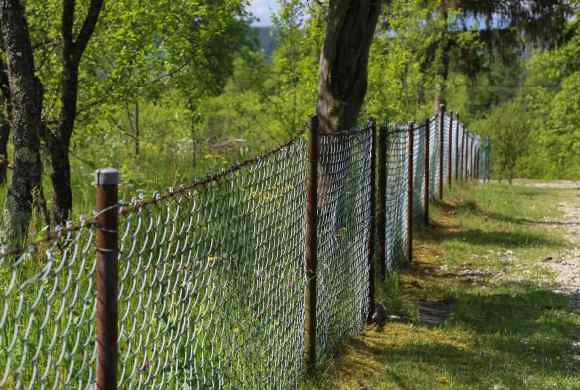
Repurposed wire mesh from construction sites or old fencing projects provides another sustainable option for budget-conscious gardeners. You can clean, straighten, and reuse galvanized wire mesh to create effective deer barriers when properly installed. This approach not only saves money but also prevents usable materials from ending up in waste streams.
Creative upcycling projects can transform discarded materials into functional deer fencing. Old pallets can be disassembled and reconstructed into attractive wooden fence panels, while you can salvage metal roofing or siding into barriers. These projects require some DIY skills but offer the satisfaction of creating something useful while reducing waste.
Low-Impact Installation Methods
Minimizing soil disruption during fence installation protects beneficial soil organisms and maintains healthy soil structure. Instead of digging deep post holes that disturb root systems and soil layers, consider driving steel fence stakes into the ground. This method works exceptionally well with lighter fencing materials and preserves the existing soil ecosystem.
Temporary and seasonal fencing options reduce long-term environmental impact while still providing effective deer protection. Removable fence posts and panels allow gardeners to protect vulnerable plants during peak growing seasons while opening up natural wildlife corridors during winter months when gardens are dormant. This flexible approach respects natural animal movement patterns while maintaining garden protection when needed most.
Strategic placement of fencing can maximize effectiveness while minimizing material use and environmental footprint. By identifying primary deer pathways and focusing protection on the most vulnerable garden areas, homeowners can achieve excellent results with fewer resources. This targeted approach often proves more effective than attempting to fence entire properties.

Long-Term Environmental Benefits
Eco-friendly deer fencing contributes to soil health and biodiversity by avoiding chemical treatments and synthetic materials that can leach harmful substances into the ground. Natural materials break down safely over time, adding organic matter to soil rather than creating persistent pollution. This approach supports healthy soil microorganisms that are essential for plant growth and overall ecosystem function.
Sustainable fencing practices encourage wildlife coexistence rather than creating hostile environments. By using materials and methods that don’t harm animals or disrupt natural processes, gardeners can protect their plants while maintaining respect for local ecosystems. This balanced approach often leads to more stable, long-term solutions as animals learn to work around barriers rather than constantly testing them.
The reduced carbon footprint of locally sourced, natural materials makes eco-friendly fencing an essential choice for climate-conscious gardeners. Bamboo, cedar, and other sustainable materials often require less energy to produce and transport than synthetic alternatives. Additionally, many natural materials can be composted or recycled at the end of their useful life, completing a sustainable cycle that benefits both gardens and the environment.
Creating a Sustainable Defense System
The most effective eco-friendly deer management combines multiple sustainable strategies for comprehensive protection. Natural fencing works best when integrated with companion planting of deer-resistant species, habitat modification, and gentle deterrent methods that don’t rely on harmful chemicals. This holistic approach creates a resilient system that adapts to changing conditions while maintaining environmental integrity.
Regular maintenance and monitoring ensure that eco-friendly fencing systems remain effective over time while minimizing resource consumption. Seasonal inspections, prompt repairs using matching sustainable materials, and gradual upgrades help extend fence life and maintain optimal performance. This proactive approach prevents minor problems from becoming major repairs while preserving the environmental benefits of sustainable materials.
By choosing eco-friendly fencing solutions, gardeners and homeowners demonstrate that effective wildlife management doesn’t require sacrificing environmental values. These sustainable approaches offer the protection gardens need while supporting healthy ecosystems, proving that human needs and environmental stewardship can work together harmoniously.
Leave a Reply