

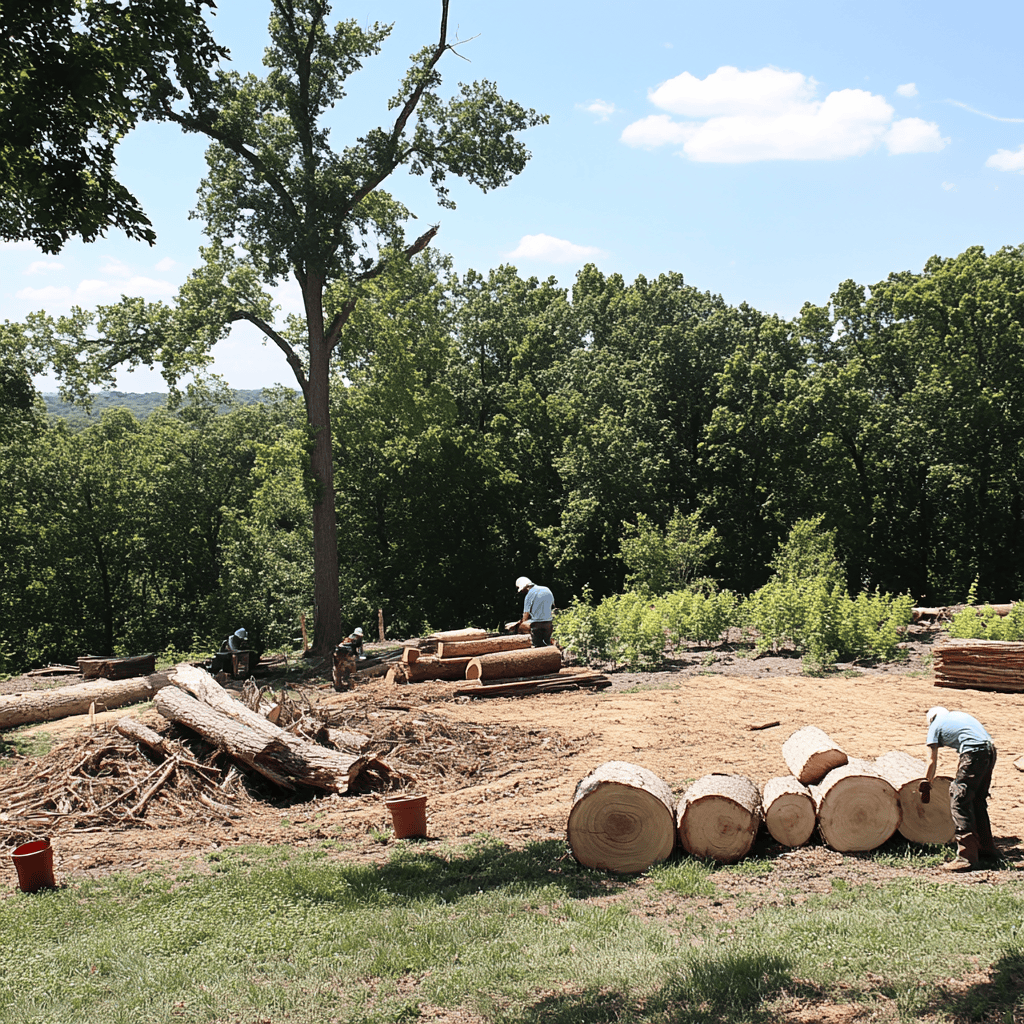
Balancing Necessity with Nature’s Needs
Making the difficult decision to contact environmentally conscious tree removal services often comes with a heavy heart for those who cherish their leafy companions.
Yet there are situations where even the most dedicated environmental stewards must acknowledge that sustainable residential tree removal services become necessary for safety, forest health, or ecosystem management.
The key distinction lies in how these removals are approached – with ecological sensitivity that transforms what could be a loss into an opportunity for habitat creation, resource reclamation, and renewed biodiversity.
When handled with environmental principles at the forefront, the management of aging or hazardous trees can actually enhance local ecosystems rather than diminish them.
When Removal Becomes Ecological Restoration
The counterintuitive truth that environmentalists have discovered is that strategic tree removal sometimes serves conservation goals better than a hands-off approach:
- Invasive species management often requires selective removal to prevent non-native trees from outcompeting indigenous species crucial to local wildlife food webs.
- Forest health initiatives sometimes necessitate removing diseased specimens to prevent widespread pathogens from devastating entire woodlands, much like removing one infected tooth can save an entire mouth.
- Wildfire prevention through strategic thinning creates natural firebreaks that protect entire ecosystems from catastrophic blazes that would otherwise destroy thousands of acres.
- Habitat diversification can actually increase when selective removal creates varied canopy openings, allowing different light levels to reach the forest floor and support greater plant diversity.

The Circle of Life: From Removal to Renewal
The true measure of ecologically responsible tree management lies not in whether trees are removed, but in what happens to them afterward. The lifecycle approach transforms necessary removals into resource opportunities:
- Habitat creation through strategic log placement creates microecosystems for insects, fungi, and small mammals that actually increase biodiversity more rapidly than leaving dying trees standing.
- Soil enrichment via proper mulching returns nutrients to the earth, completing the natural cycle that would occur in forests where fallen trees naturally decompose over decades.
- Wildlife support structures crafted from removed trunks, such as brush piles, snags, and hollow logs, provide essential shelter for birds, small mammals, and beneficial insects.
- Carbon sequestration continues even after removal when wood is repurposed into furniture, building materials, or biochar, keeping that captured carbon locked away rather than releasing it through burning or rapid decomposition.

Finding the Right Environmental Partners
Not all tree services approach removals with ecological principles as their foundation. Identifying truly earth-friendly providers requires looking beyond basic credentials:
- Habitat assessment capabilities indicating that the service evaluates more than just the tree itself but also its relationship to surrounding plants, wildlife usage, and ecosystem functions.
- Selective techniques that allow for partial removals, crown reductions, or creative solutions that preserve wildlife habitat while addressing safety concerns.
- Repurposing commitments ensuring that removed material stays out of landfills and instead becomes mulch, lumber, wildlife habitat structures, or other beneficial resources.
- Replacement planning that includes appropriate native species suggestions to maintain the ecological functions that the removed tree once provided to your local environment.

Questions That Reveal True Environmental Commitment
Before scheduling any tree removal, the conversation with potential services should include these revealing inquiries:
- “How will you ensure wildlife isn’t disrupted during removal?” (The answer should include nesting season awareness, cavity checks, and staged removal processes.)
- “What happens to the wood after removal?” (Look for detailed plans beyond basic chipping, ideally including local resource reclamation networks.)
- “Can portions of the tree be left as wildlife habitat?” (Ecologically-minded services will offer options for creating snags, habitat logs, or other beneficial structures.)
- “What native species would you recommend as replacements?” (True environmental partners will have specific suggestions based on your local ecosystem needs.)

The Lifecycle Assessment Approach
Making truly sustainable decisions about tree management requires thinking beyond the immediate situation to consider full ecological impacts:
- Energy input calculations comparing the fossil fuels used in removal against the long-term safety benefits or ecological gains, ensuring net positive environmental outcomes.
- Wildlife dependency evaluation identifying which species currently use the tree and how its functions can be preserved or transferred through thoughtful removal techniques.
- Carbon balance assessment weighing the carbon release from removal activities against the potential carbon capture of replacement plantings or repurposed wood products.
- Water management considerations examining how removal might affect local drainage, erosion patterns, and groundwater filtration, with plans to maintain these functions.
Creating Habitat From Necessity
The most exciting aspect of ecologically-minded tree removal is the creative transformation of what could be waste into wildlife sanctuaries:
- Standing snag creation, where appropriate portions of trunks are left intentionally to provide crucial habitat for woodpeckers, owls, and countless beneficial insects.
- Nurse log positioning that places sections of trunks in contact with the forest floor, creating microhabitats that nurture the next generation of forest plants.
- Brush pile architecture that transforms branches and smaller material into essential shelter for ground birds, rabbits, and other small creatures that form the base of healthy food webs.
- Fungi inoculation projects using removed wood as substrate for native mushroom species that accelerate decomposition while providing food for wildlife.

The Emotional Journey of Necessary Removal
The psychological aspects of tree removal deserve recognition, particularly for environmental advocates who may feel conflicted about the process:
- Ritual acknowledgment of the tree’s contributions to your landscape can provide emotional closure while honoring its role in local ecology.
- Photographic documentation creates a visual history that captures the tree’s place in your environment and the transformation process that follows.
- Continuation projects using wood from beloved trees for crafts, furniture, or art maintains a connection while giving the material new purpose.
- Legacy plantings using seeds or saplings from the original tree (when possible) or appropriate native species continue the ecological story into the next generation.
Conclusion: A New Perspective on Necessary Changes

The environmental mindset is evolving beyond simplistic preservation to embrace more nuanced understanding of active ecosystem management. When safety concerns, disease, or invasive species issues necessitate tree removal, the environmentally conscious approach transforms this necessity into an opportunity for ecological enhancement.
By working with tree removal services that share these values, environmentalists can ensure that even when beloved trees must come down, their legacies continue through habitat creation, resource reclamation, and renewed biodiversity.
This lifecycle perspective recognizes that in healthy ecosystems, endings are simply transitions to new beginnings – and with thoughtful management, these transitions can actually strengthen rather than weaken our local environmental communities.
Leave a Reply