

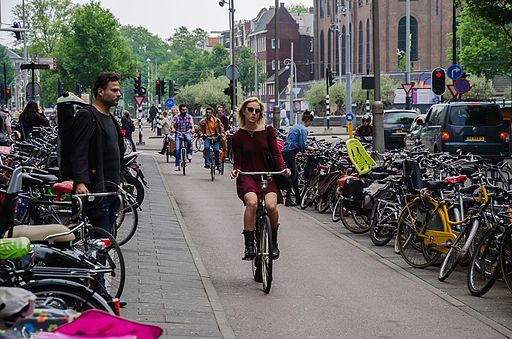
In 2023, the European Union did something great for the environment. They made the air cleaner by reducing the bad stuff from factories and cars by 8%. This is the lowest in 60 years! It’s like going back to the 1960s when people started caring about the environment.
This is important because it shows the Europe is trying hard to stop climate change, even though the economy got bigger. They’re using more clean energy from things like the sun and wind, and that’s helping a lot.
But, there are still problems. Some things that make the air dirty are not included, like farming. Also, they need to make things even cleaner and faster. People say they should stop giving money to things that make the air dirty and make more rules to protect the environment.
So, how’s it going? Find out more.
Record Low CO2 Emissions
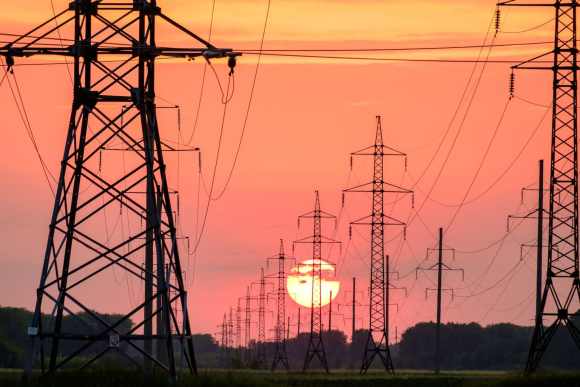
In 2023, the European Union achieved a remarkable milestone in its fight against climate change by recording the lowest carbon dioxide (CO2) emissions from fossil fuels in 60 years, marking an 8% reduction compared to 2022.
This substantial decline, second only to the unprecedented drop in 2020 during pandemic-induced lockdowns, underscores a positive trend in environmental efforts. Isaac Levi, an analyst at the Centre for Research on Energy and Clean Air (Crea), noted that Europe CO2 emissions had retreated to levels last seen in the 1960s, an era when environmental consciousness was in its infancy.
The achievement is particularly noteworthy given that, during this period, the Europe’s economy has tripled, proving that addressing climate change does not necessitate sacrificing economic growth. This decline is a testament to the success of concerted efforts to transition away from traditional fossil fuels.
However, it is crucial to acknowledge that this positive trend must be sustained and accelerated. The reduction in emissions signals a pivotal shift toward a cleaner energy landscape. A key contributor to this achievement is the significant investment in cleaner electricity sources.
The Europe’s focus on renewable energy, with record-setting installations of solar panels and wind turbines in 2023, played a pivotal role. This emphasis on sustainable energy not only diminishes reliance on fossil fuels but also aligns with the Europe commitment to environmental sustainability and combating climate change.
Cleaner Electricity’s Impact
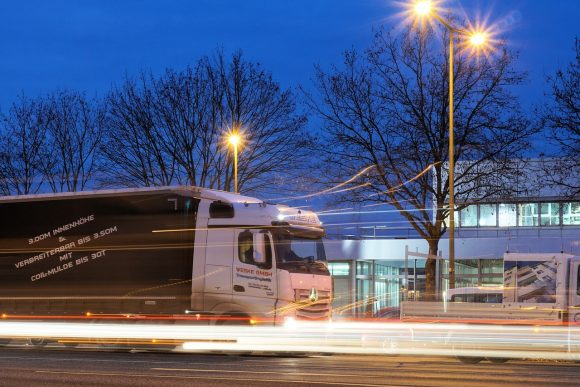
More than half of the noteworthy 8% reduction in CO2 emissions in 2023 can be attributed to a significant shift towards cleaner electricity usage within the European Union . The report underscores a pivotal role played by the increased deployment of renewable energy sources, such as solar panels and wind turbines, which reached record levels during the year.
This surge in investment and utilization of cleaner electricity sources is a testament to the Europe’s commitment to fostering sustainable energy practices. The emphasis on renewables not only addresses environmental concerns but also aligns with broader goals of reducing dependence on traditional fossil fuels.
The renewable energy sector has become a linchpin in the Europe’s strategy to combat climate change. The Europe’s substantial decrease in emissions from cleaner electricity generation indicates a tangible departure from conventional and environmentally detrimental energy sources.
This transition is a crucial step toward achieving climate targets and mitigating the impact of human activities on the environment. Moreover, it reflects a proactive approach to building a resilient and sustainable energy infrastructure for the future.
Factors Contributing to the Drop

The decline in CO2 emissions within the European Union in 2023 can be attributed to a confluence of factors beyond the realm of electricity generation. A notable 8% reduction in overall emissions was influenced by various elements, each contributing to the collective achievement.
One key factor was the decrease in electricity demand, buoyed by both economic and environmental considerations. Lower demand played a substantial role, constituting 8% of the overall reduction. This decline in electricity consumption reflects not only efficiency gains but also a potential shift in societal attitudes towards responsible energy use.
Furthermore, favorable weather conditions played a pivotal role in the diminished need for energy, contributing to the reduction in fossil CO2 emissions. The interconnectedness of climate and energy usage highlights the significance of weather patterns in influencing environmental outcomes.
Additionally, the report underscores the impact of efficiency improvements in sectors such as industry and transport. In response to high gas prices, industries adopted more efficient practices, while some opted to produce fewer goods. This adaptation to market conditions not only reflects economic resilience but also contributes to a reduction in carbon-intensive activities.
While these factors collectively contributed to the noteworthy 8% reduction in emissions, the report emphasizes that the pace of emission reduction needs to accelerate further.
Challenges and Future Actions

Despite the commendable 8% reduction in CO2 emissions, the report highlights that challenges persist, emphasizing the need for more extensive and accelerated efforts to transition the European Union away from fossil fuels.
The reduction, while significant, does not include sectors such as agriculture, and other greenhouse gases like methane, revealing the complexity of the environmental landscape. One major challenge is the slow pace of overall emissions decline, indicating that the Europe must ramp up its commitment to sustainable practices.
Analysts stress the importance of not only celebrating the achieved reduction but also acknowledging that further actions are imperative to meet ambitious environmental targets. Urgent recommendations from experts include phasing out fossil fuel subsidies, expanding emissions pricing to include agriculture, and finalizing laws outlined in the European green deal.
The Europe responsibility in contributing to global climate change is underscored, with a recognition that the 27 member states must intensify their efforts. Climate advisers emphasize the need for a considerable increase in the pace of emission reductions to meet the 2030 target.
This involves a commitment to cutting emissions twice as fast as the average rate observed over the past 17 years. In light of these challenges, the report calls for sustained and collective action. The Europe progress in strengthening its climate policy framework is acknowledged, but the urgency of reaching climate neutrality by 2050 is emphasized.
The transition away from fossil fuels and the pursuit of sustainable practices are framed as a race against time, requiring continuous commitment and vigilance to leave a more environmentally secure world for future generations.
Leave a Reply