


onsConstruction is a fundamental aspect of society, shaping the built environment we live in. However, the increasing demand for new buildings and infrastructure has led to significant negative impacts on the environment.
Traditional construction methods have taken a toll on our planet’s health, from deforestation and depletion of natural resources to increased carbon emissions and waste production.
In recent years, there has been a growing global movement towards sustainability and eco-friendliness, with many industries exploring reducing their environmental footprint.
The construction industry is no exception, and one of the most significant steps towards greener construction practices is the use of eco-friendly materials. In this article, we will dive into the concept of eco-friendly materials and explore how they benefit the environment.
The Environmental Impact of Traditional Construction Methods

Traditional construction methods involve the extensive use of non-renewable resources such as fossil fuels, minerals, and natural gas. These materials are extracted from the earth, leading to land and habitat destruction.
In addition, traditional building materials like concrete and steel have a high carbon footprint due to their production processes. Moreover, the use of unsustainable practices like clear-cutting forests for timber leads to deforestation and loss of biodiversity.
However, eco-friendly construction materials, such as sustainably sourced timber, offer a more sustainable alternative by minimizing the negative impacts on the environment. These materials can be replenished and harvested without depleting natural resources or causing significant harm to ecosystems.
Defining Eco-Friendly Construction Materials
Eco-friendly construction materials can be defined as building materials that have a reduced impact on the environment throughout their life cycle. This includes sourcing, production, transportation, use, and disposal.
These materials are often made from renewable or recycled resources and require less energy to produce compared to traditional construction materials. They also emit fewer greenhouse gases during production, use, and disposal.
In addition, eco-friendly construction materials are designed to be durable and have a longer lifespan, reducing the need for frequent replacement and minimizing waste generation.
A Shift Towards Sustainability in the Construction Industry
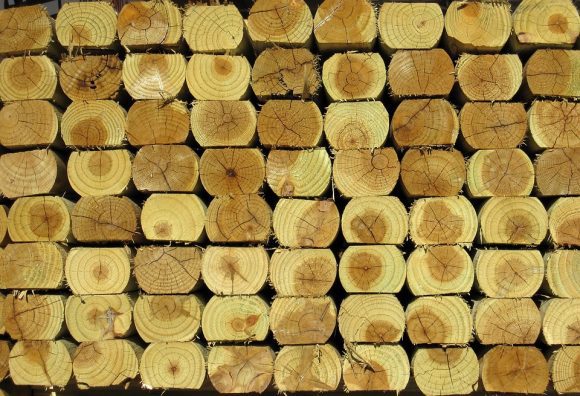
The construction industry has been one of the main contributors to environmental degradation, but with increasing awareness and concerns about sustainability, we are now seeing a shift towards more eco-friendly practices.
Many companies in the construction industry are adopting sustainable building certifications such as LEED (Leadership in Energy and Environmental Design) to demonstrate their commitment to reducing their environmental impact.
Governments around the world are implementing policies and regulations that promote the use of eco-friendly construction materials and sustainable building practices.
This shift towards sustainability in the construction industry is important for mitigating the negative impacts on our planet and creating a more environmentally conscious built environment.
Characteristics of Eco-Friendly Materials
Eco-friendly construction materials have several characteristics that make them a more sustainable alternative to traditional building materials. Firstly, they are often made from renewable or recycled resources, reducing the need for extracting finite natural resources.
They also require less energy to produce, leading to lower carbon emissions during the production process. However, eco-friendly materials are designed to be durable and long-lasting, reducing the need for frequent replacements and minimizing waste generation.
They are also biodegradable or recyclable, making them more environmentally friendly at the end of their life cycle.
Benefits of Using Eco-Friendly Construction Materials

Switching to eco-friendly construction materials has numerous benefits for both the environment and society. By reducing the use of non-renewable resources, we can help conserve our planet’s natural resources and protect delicate ecosystems.
The production of eco-friendly construction materials emits fewer greenhouse gases, contributing to mitigating climate change. Sustainable building practices reduce energy consumption in buildings, leading to lower energy bills for homeowners and businesses.
Furthermore, the use of eco-friendly materials can also improve indoor air quality, creating healthier living and working environments. Using eco-friendly construction materials is a win-win situation for both the environment and society, promoting long-term sustainability and reducing our carbon footprint.
Examples of Sustainable Building Materials
Sustainable building materials come in various forms, and their use can vary depending on the region’s climate and available resources. Some common examples of sustainable building materials include bamboo, straw bales, rammed earth, recycled plastic, and reclaimed wood.
Bamboo is a fast-growing plant that can be harvested without causing harm to the environment. It is also durable and has excellent strength, making it an ideal alternative to traditional building materials like steel and concrete.
Straw bales are another sustainable option for construction, as they are made from agricultural waste and have excellent insulating properties. Rammed earth is a technique that uses compacted soil to create walls and has been used for centuries in many parts of the world.
Recycled plastic can be transformed into durable building materials, reducing the amount of plastic waste in landfills. Reclaimed wood, obtained from salvaged old buildings and structures, is another sustainable material that offers both aesthetic appeal and durability.
These are just a few examples of eco-friendly construction materials, with more being developed and used as we prioritize sustainability in our built environment.
How We Can Incorporate Eco-Friendly Practices in Construction

As consumers, we can encourage the use of eco-friendly practices in construction by making informed decisions when building or renovating our homes and buildings. We can start by using sustainable materials like bamboo, reclaimed wood, or recycled plastic whenever possible.
In addition, we can opt for green building certifications to ensure that our homes or buildings are built with sustainability in mind. As individuals, we can also reduce our carbon footprint by choosing to live in smaller, more energy-efficient homes and buildings.
As for the construction industry, implementing regulations and policies that promote sustainable practices is crucial for creating a greener built environment. Collaboration between governments, businesses, and individuals is necessary to drive change and make eco-friendly construction practices the norm.
Eco-friendly construction materials offer a sustainable alternative to traditional building materials, minimizing negative environmental impacts and promoting a greener built environment.
With increasing awareness and action towards sustainability in the construction industry, we can work towards mitigating climate change and preserving our planet’s resources for future generations.
As individuals, businesses, and governments continue to prioritize eco-friendly practices in construction, we move closer to a more sustainable and resilient future.
Leave a Reply