


Small-scale mining is an ancient practice often done for subsistence. However, its modern iterations have become rife with exploitation, unsafe practices and significant carbon emissions. Here are some of the most significant environmental issues associated with artisanal and small-scale mining (ASM).
Mining Pollution
ASM operations often use rudimentary techniques, like uncontrolled excavation or improper waste management, that release greenhouse gases and toxic emissions into the immediate environment. An examination of small-scale gold mining sites in East Cameroon revealed the presence of harmful chemicals like mercury, lead, arsenic and cyanide in the water supply. These substances are incredibly toxic to human health, wildlife and the ecosystem in general.
If someone leases their mineral rights for three to five years to an irresponsible ASM operation, they might find their land degraded and unusable for other projects.
Inefficient Energy Use
ASM can be highly energy inefficient. Miners often rely on diesel-powered machinery, which is associated with high energy waste and carbon emissions. Diesel generators, pumps and small-scale processing machines run for long hours, consuming far more fuel than modern, energy-efficient alternatives.
Grinding processes and consumption in these sites can be intense, leading to inefficient operations and high levels of carbon per unit of output. Better equipment, maintenance and planning can help ASM operations reduce fuel waste while improving efficiency and profitability.
Land Use and Deforestation
Both large-scale mining and ASM lead to deforestation, albeit in slightly different ways. Large operations, such as mountaintop removal mining, often strip an entire mountaintop of all trees and vegetation.
From 2001 to 2020, mining and related activities led to the loss of 1.4 million hectares of trees, with ASM contributing to this number. Due to the unregulated nature of the industry, it can often be challenging to accurately measure the impact of ASM. However, this amount of tree loss has massive effects on the entire ecosystem, including wildlife habitat loss and erosion.

Labor Issues
ASM often relies on local workers who have limited employment options, which means many accept dangerous roles with minimal training or protective equipment. These sites rarely follow formal safety protocols, leaving miners exposed to toxic chemicals or unstable machinery.
With underregulated ASM, operators can get away with dangerous working conditions. According to the United Nations, accident rates in smaller mines are six to seven times higher than in larger operations. Since many operations are unregulated, workers have little recourse if they’re injured, underpaid or forced to work in hazardous conditions.
A Constructive Path to Cleaner Practices
While ASM’s impacts are severe, there are ways to improve. The coal sector’s evolution toward cleaner operations offers a blueprint. Here are some strategies to help ASM operators become more ethical and environmentally friendly.
Modernizing Equipment for Lower Emissions
One of the fastest ways to reduce ASM’s carbon output is through modernizing tools and machinery. Many sites rely on outdated diesel engines that burn fuel inefficiently and leak fumes. Upgrading to low-emission engines or electric tools can reduce fuel consumption and create a safer work environment.
Small solar or renewable energy systems can power water pumps and other equipment, which can lower emissions and increase productivity.

Reusing and Treating Mining Waste
Mining waste is another persistent environmental challenge in ASM, as it can pollute water sources and alter the local landscape. However, it also presents significant opportunities.
Tailings, mine water and leftover rock from processing can find a second life in construction or land rehabilitation. Researchers and other sectors are collaborating to find ways to efficiently reuse and treat waste materials to minimize environmental harm and support a circular economy. Arizona’s public universities, for example, are collaborating to explore multiple ways to reuse copper tailings as a potential source of minerals and materials.
Shutting Down Illegal or Unregulated Mines
Illegal mining sites are responsible for a significant share of emissions because they typically operate with minimal safety protocols, fuel efficiency standards or land use restrictions.
Stronger enforcement of mining regulations, paired with incentives for legal operators, helps reduce environmental harm and redirect labor toward safer and cleaner jobs. Closing unauthorized pits or making them safer can reduce deforestation and community exposure to toxic waste. This approach cuts emissions while accommodating responsible operators that can implement long-term sustainability plans.
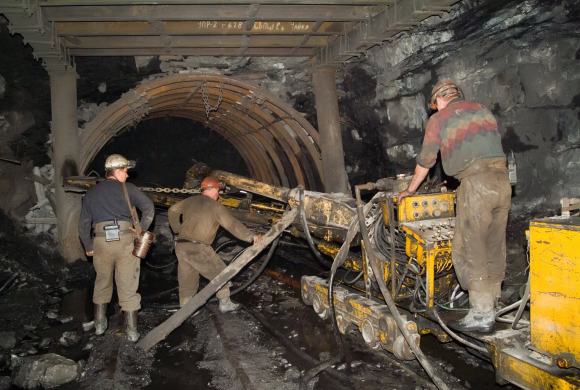
Training Miners and Formalizing the Sector
Training and formalization are effective tools for lowering ASM’s carbon footprint. When miners adopt safer extraction methods and low-emission alternatives to processing and extraction, they can improve both productivity and their environmental impact.
Formalization also ensures miners can access financing and government support, which can help them adopt cleaner technologies. Formal and transparent operations can improve worker safety and minimize carbon emissions from inefficient excavation.
Toward More Sustainable Practices
The current state of small-scale mining has significant large-scale consequences. However, there are several opportunities to formalize the sector and make it more environmentally friendly. With the right tools, regulations and training, the mining sector can grow more efficient, clean and accountable.
About the Author

Writers Bio: Jane Marsh is an environmental journalist and Editor-in-Chief of Environment.co, where she covers climate policy, renewable energy, and sustainable living. With over four years of editorial experience, her work has been featured on Renewable Energy Magazine, Biofriendly Planet, and Earth.org. Jane specializes in making complex environmental topics accessible and actionable for everyday readers.
Leave a Reply