

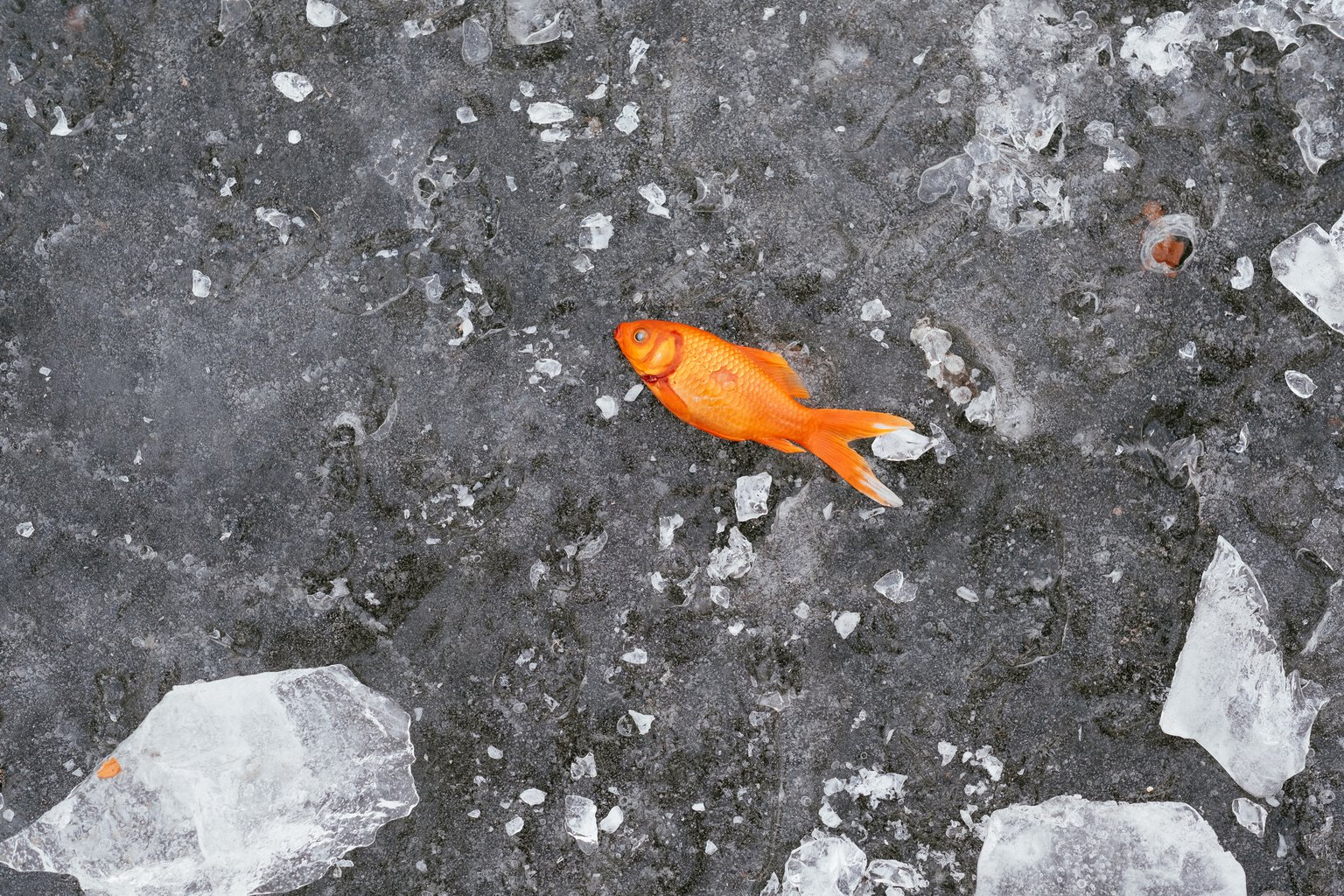
Sometimes people in Sri Lanka wake up after a night of strong rain and heavy wind, and they find fish lying on the road, in their gardens, or even near their homes. It often makes people confused, because these places are far from any river or lake.
Some say it is a strange event. Others say the fish must have fallen from the sky. But the real story behind these moments is softer, slower, and much more connected to the way freshwater animals move and survive.
So, how do this happen not only once or twice by several times? Of course there are some logics behind it, and we will talk about it.
The Wind of Change

There are times when a strong wind over water can lift fish into the air. When a sudden spinning wind rises from the surface of a pond or lagoon, it can pull water upward. If small fish are in shallow places, the wind can lift them too.
When the wind becomes weak again, the fish drop somewhere else. This can make it look like fish “rained down.” But in many places in Sri Lanka, winds strong enough to lift fish are rare. So this explanation is not always the right one.
A more common story is this: some fish can walk. Not walk like humans, but move over wet ground, pushing themselves forward with strong bodies and fins. These fish normally stay in ponds, rice fields, and rivers.
But when the rain comes after a long dry season, the ground becomes soft, muddy, and wet. The moment the rain returns, these fish feel safe to move. They leave old ponds that are drying up or lacking oxygen, and they search for new water. They move at night or during the storm because the ground is cool and wet, which helps them breathe and stay alive.
These fish include climbing perch, walking catfish, and snakeheads. They can breathe air for a short time, and they can live outside water long enough to reach another pool. When people see them lying on the ground the next morning, they think the fish fell from the sky. But the fish were simply following their survival instinct. They were moving to a better place to live.
No Accident
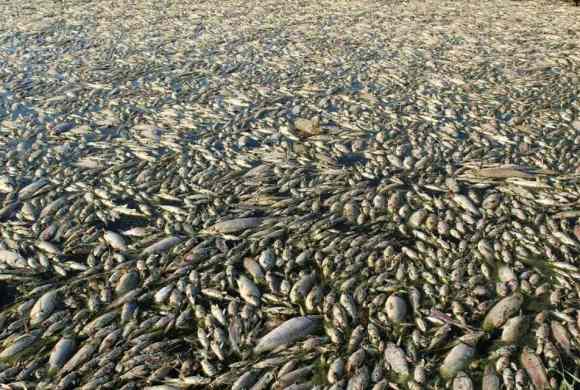
These movements are not accidents. They are natural journeys that these species have made for thousands of years. When a pond dries up, when predators come, or when the area becomes too crowded, these fish know it is time to move.
Their bodies are made for this. Their fins help them push. Their muscles help them slide forward. Even though their movements are slow, they are strong and determined. They try to reach any water that can keep them alive.
Many small river fish in Sri Lanka also make short journeys. When the monsoon arrives, they swim upstream to reach clean, shallow water. These places are perfect for laying eggs. Even though these journeys are short, they are very important for the survival of the species.
Without these small movements, the next generation of fish would not have a safe place to grow. Some fish make journeys that are long and difficult. One of the most surprising stories is the story of eels.
They are born in the sea. When they are still very small and almost see-through, they drift toward Sri Lanka. When they reach the river mouth, they start swimming upstream. They climb rocks, dirt, and even dam walls if they are wet.
Their skin has a soft layer that helps them breathe, so they can survive outside water for a short time. Some of these eels travel more than a hundred kilometers inland. They grow for many years in lakes and reservoirs far from the ocean.
When they become adults, they swim back to the sea to lay eggs and die. It is a long circle of life that depends on open rivers and free movement.
Blockage
But today, many of these journeys are becoming harder. Across the country, dams, weirs, and power structures have been built along rivers. Even a small barrier can break the path that fish have used for hundreds of years.
Some barriers block fish from swimming upstream. Others make it impossible for fish to return to the sea. When these paths are broken, the fish cannot reach their breeding places. They cannot escape drought. They cannot complete their life cycle. Many species slowly disappear without people even noticing the reason.
Some countries make special channels to help fish move past barriers. These are like small steps or ramps that guide fish around the wall. But in many places, these helpful structures are never built, even if they are planned. Without them, the river becomes a dead end for animals that depend on movement.
There are also moments when unexpected animals appear. During very dry seasons, when the river water becomes low and salty water from the sea enters inland, sharks and rays can sometimes swim several kilometers into rivers.
This shows that the line between the sea and the river is not fixed. Life moves where it needs to move, and many animals follow paths that humans cannot see.
Not Magic
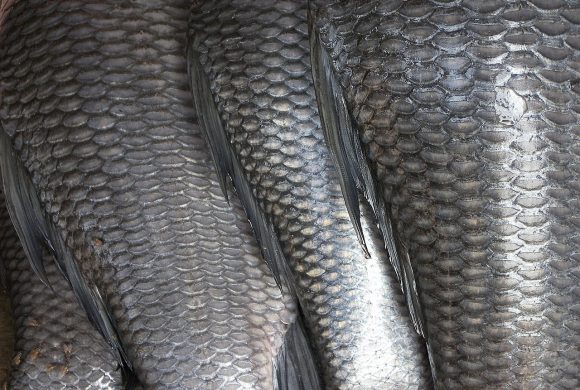
So when you see fish lying on the ground after a storm, the truth behind it is not magic or mystery. It is the story of life trying to survive. Some fish walked in search of water. Some might have been lifted by wind.
Others moved from one pond to another during the rain. These moments show how freshwater life depends on movement. They remind us that rivers, lakes, and wetlands are all connected. If we block these connections, we break the lives that depend on them.
Freshwater fish do not ask for much. They only ask for paths that stay open and waters that stay connected. When we understand their journeys, we learn how soft and strong nature can be. And we learn how important it is to protect the quiet paths that many species still need to survive.
Sources:
Leave a Reply