

Killer whales, also called orcas, are incredible animals known for their intelligence and unique ways of living in the ocean. A recent study has shown something very exciting about how these marine mammals use seaweed to groom each other.
Want to know more about it? Let’s talk about this interesting behavior.
What Is Allokelping?
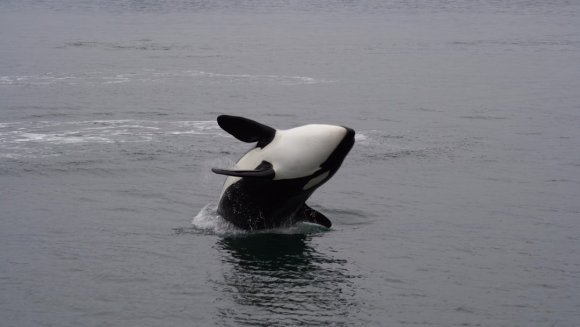
Killer whales are very smart animals that live in the ocean and are known for their ability to work together and communicate in complex ways. Scientists studying a group of killer whales in the Salish Sea, a part of the Pacific Ocean between Washington state in the United States and British Columbia in Canada, discovered a special behavior they named “allokelping.”
In this behavior, killer whales use a type of seaweed called bull kelp as a tool to clean each other’s skin, almost like giving each other a gentle scrub.
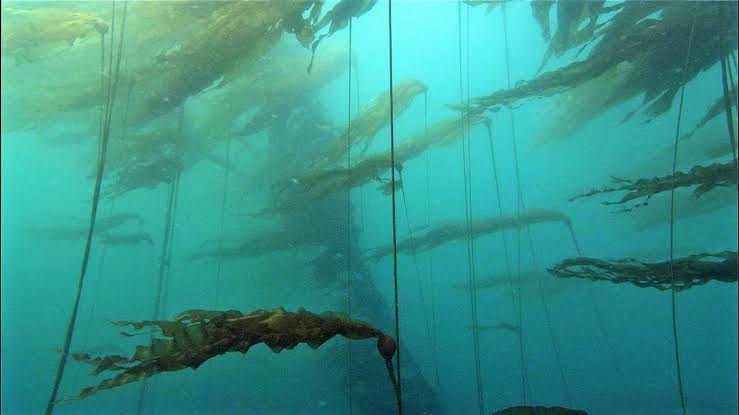
The whales find bull kelp, which is a long, thick plant that grows in the ocean. This seaweed can be found attached to the ocean floor or floating on the water’s surface. The whales carefully bite off a piece of the kelp and hold it between their bodies.
Then, they roll and rub the kelp against each other, moving together in the water. This behavior is very special because it shows that killer whales can use tools, which is not common among animals that live in the ocean.
Only a few other sea animals, such as sea otters and certain types of dolphins, are known to use tools in similar ways.
Allokelping is exciting because it shows that killer whales are not only intelligent but also cooperative. Unlike some animals that use tools to find food, such as chimpanzees using sticks to catch termites, allokelping is not about finding something to eat.
Instead, it’s about helping each other stay clean and healthy. This makes it a unique kind of tool use in the animal world, showing how killer whales care for one another in their groups.
Why Do Killer Whales Use Kelp?
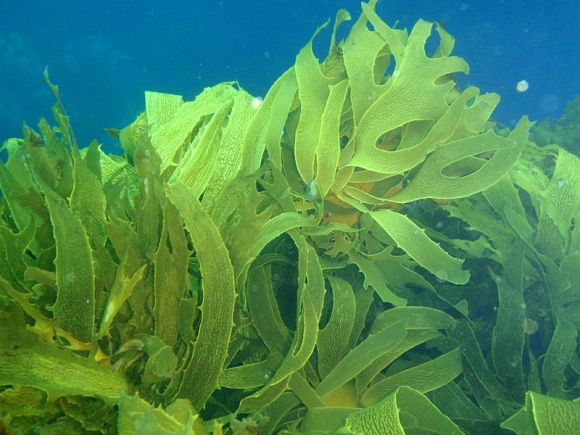
Scientists believe that allokelping serves two important purposes for killer whales: keeping their skin healthy and strengthening their friendships. When the whales rub bull kelp on their bodies, it may help remove dead skin, dirt, or even tiny parasites that can stick to their skin.
It is similar to how humans use a sponge or scrubber to clean their skin in the shower. Bull kelp has special properties that might fight bacteria, which could help the whales keep their skin healthy and free from infections.
The second purpose of allokelping is about building stronger social bonds. Just like humans hug, shake hands, or spend time together to show friendship, killer whales may use allokelping to feel closer to each other.
Physical touch is very important for many animals, including humans, to build trust and maintain strong relationships within a group.
When killer whales share kelp and rub against each other, it’s like they’re showing affection and saying, “We’re part of the same family.” This behavior is seen in both male and female whales of all ages, which shows that it’s a key part of their social life in the ocean.
This teamwork makes allokelping very special. The whales don’t just find a piece of kelp that’s already the right size. They actively bite and shape the kelp to make it perfect for grooming. This shows how clever they are, as they modify the kelp to fit their needs without using hands.
Instead, they use their mouths to hold the kelp and their bodies to roll it between them, working together in a smooth and coordinated way.
How Is Allokelping Different from Other Tool Use?
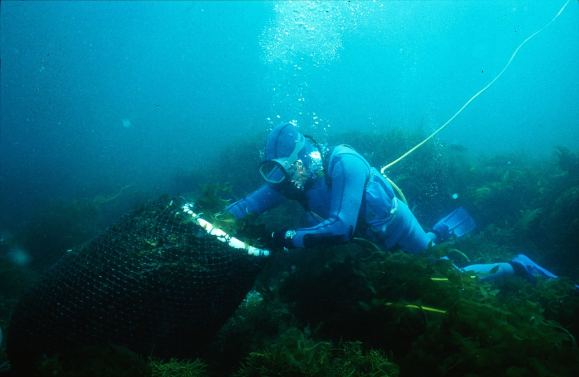
Using tools is something animals often do to solve problems, like finding food. For example, sea otters use rocks to break open shells to eat the food inside, and some dolphins use sea sponges to protect their noses while searching for food on the ocean floor.
Allokelping is different because it’s not about finding food, it’s about social interaction and taking care of their skin. This makes it a rare and special kind of tool use in the animal world.
What makes allokelping even more unique is that the killer whales create their own tools. They don’t just pick up a piece of kelp that’s already the right size. Instead, they bite and modify larger pieces of kelp to make the perfect tool for grooming.
This process is called tool manufacturing, and it’s very rare among animals that live in the ocean. Scientists say It is the first time they’ve seen a cetacean, which is the group of animals that includes whales, dolphins, and porpoises, make and use a tool in this way.
Another fascinating part of allokelping is how the whales work together without hands. They use their mouths to pick up and position the kelp at first. Then, they use their bodies to roll the kelp between them, keeping it in place with movement and pressure.
This teamwork shows how skilled and cooperative killer whales are. They have to coordinate their movements carefully to keep the kelp between them, which highlights their intelligence and strong social bonds.
Challenges Facing These Killer Whales

The killer whales in the Salish Sea are a unique group, but they are facing serious challenges that put them in danger. There are only 73 whales left in this population, which means they are at risk of disappearing completely.
One of the biggest problems is that they don’t have enough food to eat. These whales mostly eat Chinook salmon, a type of fish that is very important to their diet. However, the number of Chinook salmon has been decreasing, partly because humans have built dams on rivers where the salmon lay their eggs.
These dams make it harder for the salmon to survive and reproduce, which means less food for the whales.
Without enough salmon, the killer whales are struggling to find enough food, and some are starving. This food shortage makes it very important to learn about their behaviors, like allokelping, to understand how they live and what they need to survive.
Scientists are worried about these whales and are working hard to protect them. They have noticed that whales with peeling or unhealthy skin are more likely to use kelp for grooming, which suggests that allokelping helps them take care of their skin and stay healthy.
Protecting the ocean environment is also crucial for these whales. Bull kelp, the seaweed they use for allokelping, grows in cold, nutrient-rich waters along the western coast of North America, including the Salish Sea.
Keeping these kelp forests healthy is important because they provide the tools the whales need for grooming. By studying behaviors like allokelping, scientists can learn more about how to help these whales survive.
Sources:
Leave a Reply