

When it comes to longevity, humans often pride themselves on having relatively long lifespans, especially given the advances in medicine and technology that continue to extend our years.
However, the natural world is full of creatures that far surpass the live of
human lifespans, living for centuries and even, in some cases, appearing to defy the very concept of aging.
From the macaw bird to the bowhead whale, this article will talk about the longest-lived members of the animal kingdom, each with its unique adaptations that allow them to achieve extraordinary longevity.
Longest-Lived Bird: The Macaw (100 Years)
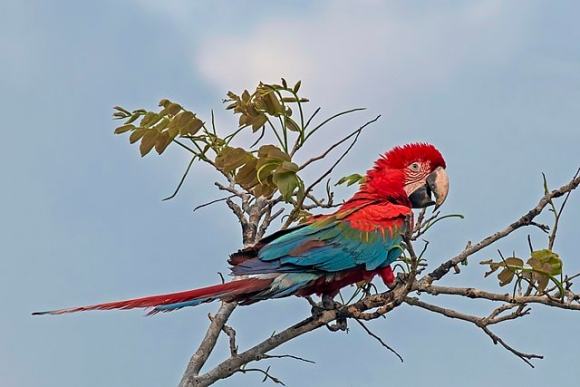
Macaws, with their striking colors and impressive intelligence, are among the longest-lived birds. These members of the parrot family can live up to 60 years in the wild and even longer in captivity, with some individuals reaching the century mark.
Macaws form lifelong bonds with their mates, and their social structure resembles that of a human family, with the males foraging for food while the females care for the young. Despite their long lives, many macaw species are endangered due to habitat destruction and the pet trade.
Their longevity raises intriguing questions about the lifespans of their ancient ancestors, the dinosaurs, some of which may have lived similarly long lives.
Longest-Lived Amphibian: The Cave Salamander (100 Years)
The cave salamander, Proteus anguinus, is a small, blind amphibian that can live for over a century in the dark, damp caves of southern Europe. This extraordinary lifespan is attributed to the salamander’s extremely slow metabolism, which allows it to conserve energy in an environment where food is scarce.
The cave salamander matures slowly, takes years between reproductive cycles, and moves only when necessary, all of which contribute to its longevity. Living in a predator-free environment also helps this salamander avoid the threats that typically shorten the lives of other species. Its impressive lifespan makes the cave salamander the longest-lived amphibian known to science.
Longest-Lived Mammal: The Bowhead Whale (200 Years)
The bowhead whale, a massive cetacean that inhabits the Arctic and sub-Arctic waters, is the longest-lived mammal, with individuals regularly living up to 200 years. Scientists have discovered that bowhead whales possess unique genetic adaptations that enhance DNA repair and reduce the risk of cancer, which may explain their extraordinary lifespans.
The cold, icy waters they inhabit also contribute to their longevity by slowing their metabolism. The bowhead whale’s ability to live for two centuries is a stark reminder of the resilience and adaptability of life in some of the planet’s most extreme environments.
Despite their longevity, bowhead whales are not immune to human threats, and their populations were significantly reduced by whaling before conservation efforts began in the mid-20th century.
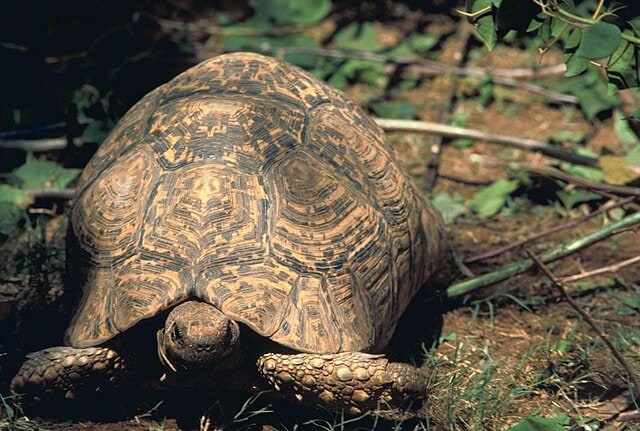
Longest-Lived Reptile: The Giant Tortoise (300 Years)
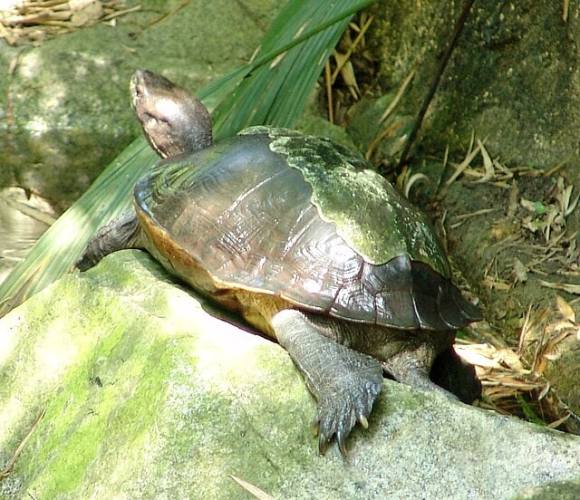
Giant tortoises, such as those found in the Galápagos Islands and the Seychelles, are known for their incredible longevity, with some individuals living for over 200 years.
These reptiles are a classic example of “insular gigantism,” where species confined to isolated islands grow to unusually large sizes due to the absence of predators.
The slow metabolism of giant tortoises, coupled with their minimal need for food and their protected island habitats, contributes to their extended lifespans. These ancient creatures can take decades to reach sexual maturity, and their leisurely pace of life allows them to thrive for centuries, making them some of the oldest living animals on Earth.
Longest-Lived Shark: The Greenland Shark (400 Years)
The Greenland shark, Squalus microcephalus, is the longest-lived vertebrate known, with a lifespan that can exceed 400 years. This deep-sea shark, which inhabits the frigid waters of the North Atlantic and Arctic Oceans, grows slowly and matures late, not reaching sexual maturity until it is over 100 years old.
The extreme longevity of the Greenland shark is likely due to its cold environment, which slows its metabolism and reduces the wear and tear on its body. Despite its long life, the Greenland shark is not well studied, and much about its biology and behavior remains a mystery.
However, its incredible lifespan makes it a subject of great interest to scientists studying aging and longevity.
Longest-Lived Mollusk: The Ocean Quahog (500 Years)

The ocean quahog, Arctica islandica, is a species of clam that can live for centuries, with some individuals surpassing 500 years of age. These mollusks are found in the cold waters of the North Atlantic and are harvested for food in many parts of the world.
The age of an ocean quahog can be determined by counting the growth rings on its shell, much like counting the rings of a tree. The secret to the ocean quahog’s longevity may lie in its stable antioxidant levels, which protect its cells from damage and delay the aging process.
While many ocean quahogs are harvested before reaching their full potential lifespan, those that do survive can offer valuable insights into the biological mechanisms of aging.
Longest-Lived Microscopic Organisms: Endoliths (10,000 Years)
Endoliths are microscopic organisms that live inside rocks, often deep underground or at the bottom of the ocean. These bacteria, fungi, and algae have incredibly long lifespans, potentially surviving for up to 10,000 years.
Endoliths are autotrophic, meaning they obtain energy from inorganic sources rather than sunlight or organic matter, which allows them to survive in extreme environments where other life forms cannot.
These organisms divide only once every few hundred years, which greatly extends their lifespan. The study of endoliths provides valuable information about the resilience of life in extreme conditions and the potential for life to exist in similar environments elsewhere in the universe.
Longest-Lived Invertebrate: Turritopsis dohrnii (Potentially Immortal)
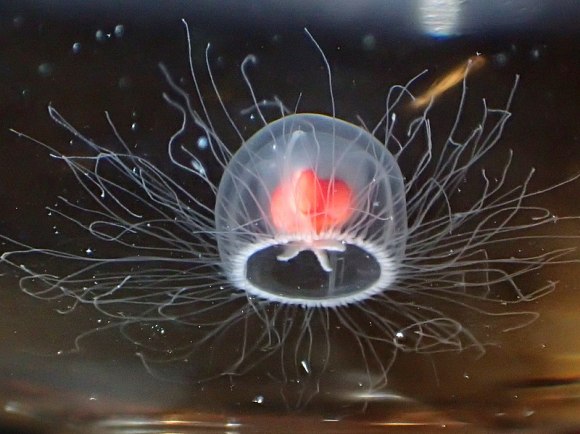
The jellyfish Turritopsis dohrnii has earned the nickname “the immortal jellyfish” due to its unique ability to revert to its juvenile form after reaching maturity without limit to live. This process, known as transdifferentiation, allows the jellyfish to potentially avoid death from old age, making it biologically immortal.
While no individual Turritopsis dohrnii has been observed living for millions of years, this jellyfish’s ability to reverse its aging process is a remarkable example of nature’s ingenuity.
However, these jellyfish are still vulnerable to predation, disease, and environmental changes, which means that while they may be biologically immortal, they are not invincible.
Sources:
Leave a Reply