


Let’s talk about a love story between ladybug and corn. Corn, a key global staple crop, is grown widely and is crucial for food security and economic stability. Using beneficial insects to control pests naturally is a sustainable practice gaining popularity.
Among these insects, the ladybug (Coccinellidae family) is especially effective at controlling aphid populations, contributing significantly to cornfield health.
So, where should we start to tell the love story between ladybugs and corn?
How a Ladybug Lives

Maybe it’s best to tell the story starting from how the little creature lives. Ladybugs, or lady beetles, are small, dome-shaped insects known for their bright, often spotted exoskeletons. The seven-spotted ladybug (Coccinella septempunctata) is red with seven black spots. Ladybugs can also be yellow, orange, or black, with various spot patterns.
Adult ladybugs range from 1 to 10 millimeters in length. Their distinctive shape and colors serve as a warning to predators about their unpalatability, a defense mechanism called aposematism. Ladybugs have short, clubbed antennae and six short legs, allowing them to move quickly across plants.
Ladybugs live worldwide in forests, grasslands, gardens, and agricultural fields, thriving in temperate regions with ample food and breeding conditions. In agricultural settings, they are valued for pest management, commonly found in crops like corn, wheat, and soybeans.
Cornfields are ideal habitats for ladybugs due to the abundance of aphids and other soft-bodied insects, their main food source. The structure of corn plants provides many surfaces for ladybugs to hunt and lay eggs.
Yes, the love story between ladybugs and corn may start even before the corn is fruiting and the ladybug is born. Therefore, it might be difficult to find an even more iconic dynamic duo compared to them.
Why a Ladybug is Respectable Predators
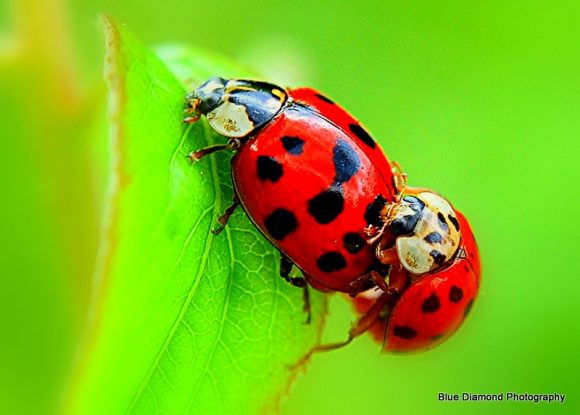
Next time we see a ladybug, we should not consider them as a nobler creature. Ladybugs are voracious predators, mainly feeding on aphids. An adult ladybug can eat up to 50 aphids a day, making them effective natural pest controllers.
Their larvae, elongated and covered in tiny spines, are also aggressive feeders, consuming hundreds of aphids as they grow. This is why ladybugs are the most effective countermeasure to aphids in our plants, even much more effective than chemical pesticides.
Ladybugs undergo four life stages: egg, larva, pupa, and adult. Females lay clusters of small, yellow eggs on leaf undersides near aphid colonies, ensuring larvae have immediate food. Yes, they are that effective to exterminate aphids that they even put their eggs near their future food.
After hatching, larvae go through several molts, growing larger with each stage. The pupal stage is a transformation period, where the larva becomes an adult ladybug.
Ladybugs can perform reflex bleeding, which means they can excrete toxic fluid from their leg joints when threatened. This fluid contains alkaloids that deter predators, enhancing their survival.
What Can They Do?

Like mentioned above, ladybugs are crucial for maintaining ecological balance in cornfields. By preying on aphids and other pests, they reduce the need for chemical pesticides, which promotes a healthier, more sustainable agricultural environment.
Because ladybugs can significantly lower pest populations, it leads to higher crop yields and improved plant health at the end. But that’s just one of the things that they can do. There are many more that they can do.
Pest Control
Of course this is one of the most important feats of ladybugs. Aphids reproduce quickly and can damage corn plants by sucking sap from leaves and stems, weakening plants and transmitting diseases.
Ladybugs can control effectively aphid populations, which mitigates these negative impacts and ensuring robust, productive corn plants.
Biodiversity
Ladybugs can play along with other insects which are also beneficial for us. Therefore, they and other beneficial insects enhance agricultural ecosystem biodiversity.
A diverse insect community makes the ecosystem more resilient to pest outbreaks and environmental stresses. Ladybugs help maintain the balance between insect species, preventing any one group from becoming overly dominant.
Pollination
Though primarily known as predators, ladybugs can also aid in pollination. As they move from plant to plant hunting prey, they may transfer pollen, supporting the reproductive processes of flowering plants in and around cornfields.
Ladybug is one simple solution to many problems that most farmers usually face in their corn fields. Therefore, if more people understand about their importance, we can get even saver and more plenty foods.
Putting Ladybug in a Corn Field

Farmers and agricultural scientists are adopting strategies to conserve and encourage ladybugs in cornfields, including habitat enhancement, biological control practices, and reducing harmful pesticide use.
Habitat Enhancement
Creating supportive habitats involves planting cover crops and maintaining field margins with flowering plants, providing alternative food sources and shelter. This attracts and retains larger ladybug populations and other beneficial insects.
Biological Control Practices
Biological control involves releasing ladybugs into cornfields to boost their population and enhance pest control. This is especially useful in organic farming, where chemical pesticide use is minimized. Farmers can buy ladybugs from suppliers and release them strategically during the growing season.
Reducing Pesticide Use
Indiscriminate pesticide use can harm beneficial insects like ladybugs. Farmers are encouraged to adopt integrated pest management (IPM) practices, emphasizing pest population monitoring and using pesticides only when necessary.
Selective pesticides that target specific pests while sparing beneficial insects are preferred. Reducing broad-spectrum pesticide reliance protects and promotes natural predators.
Why We Should Look at Them
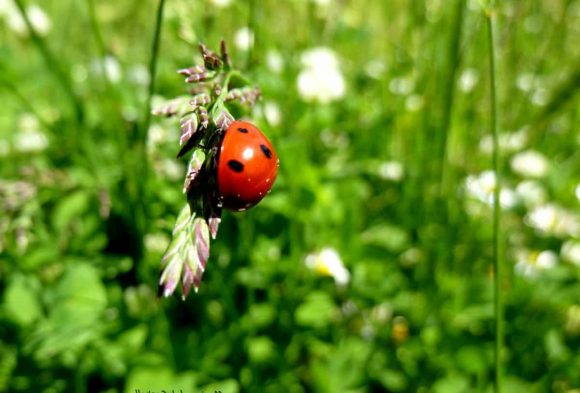
Despite their benefits, ladybug conservation faces challenges such as habitat loss, climate change, and harmful pesticide use. Invasive species and diseases also threaten native ladybug species, disrupting their pest control role.
Future research and agricultural practices should enhance ladybug effectiveness in pest management, including studying interactions with other beneficial insects, understanding climate change impacts, and developing innovative conservation strategies.
Education and outreach can help farmers and the public recognize the importance of ladybugs in sustainable agriculture.
Ladybug is such an underrated creature that should not be ignored. Their presence alone is already a benefit to any farming field including corn field. That’s why, we should start considering their introduction in our farm fields instead of using harmful chemicals.
Sources:
Leave a Reply