


Have you ever tried making face masks or hair treatments at home using natural ingredients? Maybe you have seen DIY beauty recipes on Pinterest or Instagram. But have you ever thought about making your own makeup?
Let’s talk about it in this article cause who doesn’t want to be pretty with the nature?
Getting Started
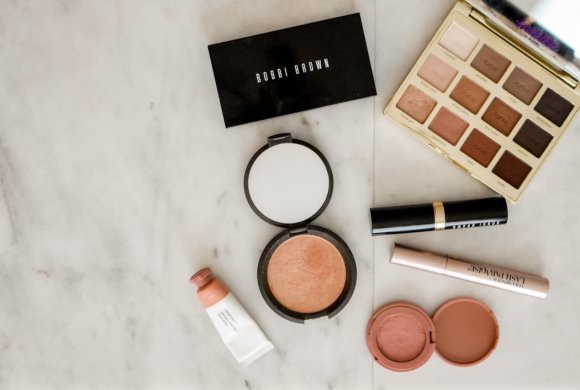
Before you start making your own makeup, you should know that this hobby requires some investment of time and money. Some recipes might require special tools including protective gloves, a digital bench scale for measuring ingredients precisely, and pipettes for transferring liquids.
You might also want glass mixing bowls instead of plastic ones. Glass can be sterilized properly between uses and does not add plastic waste. Always keep a spray bottle filled with isopropyl alcohol handy for sterilizing your tools and containers. This is very important because bacteria can grow in homemade cosmetics if everything is not kept clean.
Making your own makeup takes much more effort than buying products from a drugstore. Some recipes are more complex than others and require uncommon ingredients. Be sure to do your research before attempting to make substitutions, especially if chemical substances are involved.
Not all ingredients can be swapped freely. Lastly, always perform a patch test on your hand before applying DIY makeup to your face. A patch test means putting a small amount on your skin and waiting to see if you have any irritation or allergic reaction.
Simple Makeup Recipes
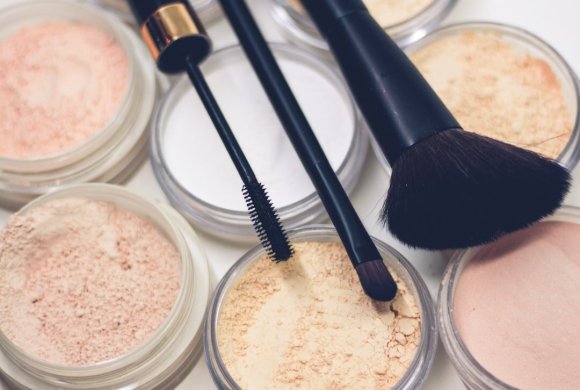
One of the easiest homemade cosmetics to make is beet root blush. Beets are known for their bright magenta color, which is perfect for adding color to cheeks. You can make a custom blend by gradually adding beet root powder to a tablespoon of arrowroot powder until you get the shade you want.
Two parts beet root powder to one part arrowroot powder will give you a rich pink color. Add in a touch of turmeric powder to achieve a peachy color or cocoa powder to darken the mix. Blend the powders with a sterilized fork and transfer to an airtight container. To apply, simply dip a makeup brush in the homemade blush and dust your cheeks.
Cocoa powder can be used to make brow filler for darkening eyebrows. In a sterilized glass bowl, add 3 teaspoons of cocoa powder and 1.5 teaspoons of cornstarch to 2 teaspoons of a gentle carrier oil like sweet almond oil, castor oil, or coconut oil.
Stir in a pinch or two of activated charcoal for a darker color. Mix with a sanitized fork, making sure there are no lumps, and transfer to a clean container when ready. Apply to brows with a makeup brush or clean mascara wand.
Elderberry lip gloss is another simple recipe. Elderberries are deep purple fruits that grow wild throughout large parts of the Americas. First, you must infuse elderberry powder in food-grade vegetable glycerin.
Use two tablespoons of each and let them sit together for at least a week. This allows the glycerin to absorb the berries’ purple color. When it reaches your desired shade, strain the glycerin, discard the elderberry powder, and add in a tablespoon of honey. The honey adds shine and helps moisturize your lips.
More Complex Makeup
Some homemade makeup recipes are more complicated and require heating ingredients together. Coal-free charcoal mascara is one example. The key ingredient is activated charcoal, a fine black powder made from burning wood pulp or coconut husks.
Combining activated charcoal with oil, aloe vera gel, and beeswax will give you a formula that darkens, thickens, and lengthens lashes.
First, heat a tablespoon of organic coconut oil, two tablespoons of aloe vera gel, and 1.5 teaspoons of grated beeswax in a sterilized double boiler until everything melts. A double boiler is a setup where you heat something gently by placing one pot inside another pot containing boiling water.
Stir in a quarter teaspoon of activated charcoal for a light black color or half a teaspoon for jet black. You can use half a teaspoon of cacao powder instead of charcoal for brown mascara. Once finished, use a funnel to transfer your homemade mascara into a clean mascara tube. Chill in the fridge for a couple of hours before using.
Arrowroot powder foundation is another recipe that requires experimentation. This DIY version gets its color from a mix of herbs and spices. Add as much cocoa powder, nutmeg, and ground cloves as needed to a gentle arrowroot powder base to achieve the right shade for your skin tone.
You can also use green clay to counteract redness. Start with 2 tablespoons of arrowroot powder and 1 tablespoon green clay if you want to use it. Add spices little by little, testing shades on the back of your hand along the way. Record the amounts you add of each spice so you can replicate the recipe in the future.
Making Eyeshadow and Bronzer
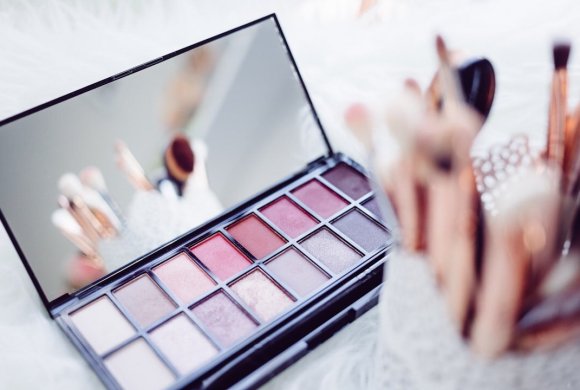
Making eyeshadow at home is simple because plants provide many rich colors. Creating a base requires combining a teaspoon of rice flour with 3 teaspoons of kaolin clay, a quarter teaspoon of titanium dioxide, and an eighth of a teaspoon of zinc oxide.
Just make sure you are not using nano versions of titanium dioxide and zinc, which can be harmful to marine life. Finally, create your color by adding pigmented herbs and spices to your base.
Different ingredients create different colors. Nutmeg and cocoa powder create brown shades. Turmeric creates gold. Saffron creates orange. Beet powder creates pink. Spirulina creates green. Activated charcoal creates gray. By experimenting with different amounts of these natural pigments, you can create an entire palette of eyeshadow colors from your kitchen.
DIY powder bronzer contains the same ingredients as homemade powder foundation. The key difference is that a higher concentration of herbs gives the bronzer a deeper color. Start with 2 teaspoons of arrowroot powder or cornstarch, then start adding your pigment.
Cinnamon creates a glowy reddish tint. Cocoa powder and nutmeg create a sunkissed look. Beet root adds a touch of pink. You will have to experiment to find your perfect shade. Feel free to add a few drops of sweet almond oil or essential oils for a creamy texture. Make sure the essential oils you are using are safe for skin, like tea tree, lavender, rose, and sandalwood.
Ethical Ingredients
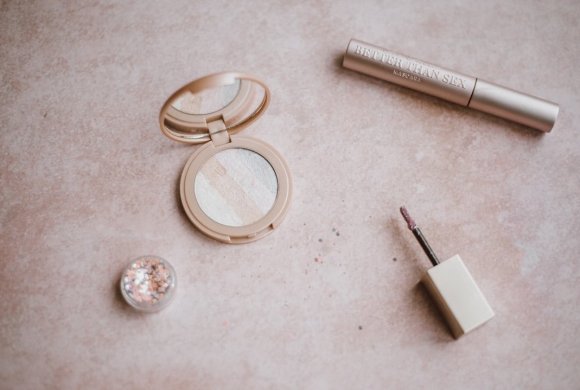
When making your own cosmetics, it is important to think about where your ingredients come from. Some natural ingredients have ethical problems in their supply chains. For example, mica powder is commonly used in luminizers because it creates a subtle shimmer.
However, a reported 25 percent of the world’s mica is sourced from illegal mines in India where child labor is common. Children as young as five years old work in dangerous conditions in these mines. You can avoid supporting these systems by researching the source of your mica powder to make sure it has been responsibly mined without child labor.
Similarly, when using charcoal in your recipes, choose sustainable charcoal. Charcoal is most often made from coal or petroleum, neither of which is eco-friendly. But you can find variations of activated charcoal powder that are made by burning wood pulp or coconut husk instead. These plant-based sources are much better for the environment.
The shift to homemade cosmetics represents more than just a DIY hobby. It reflects growing awareness of how consumer choices affect both personal health and environmental health. Commercial cosmetics often contain ingredients that disrupt hormones, irritate skin, and pollute waterways.
Microplastics in makeup wash into oceans where marine animals mistake them for food. By making your own cosmetics from food-grade, natural ingredients, you eliminate these concerns.
You know exactly what you are putting on your skin. You reduce plastic packaging waste. You avoid supporting industries with questionable labor practices. And you create products customized perfectly for your skin tone and preferences.
Sources:
Leave a Reply