


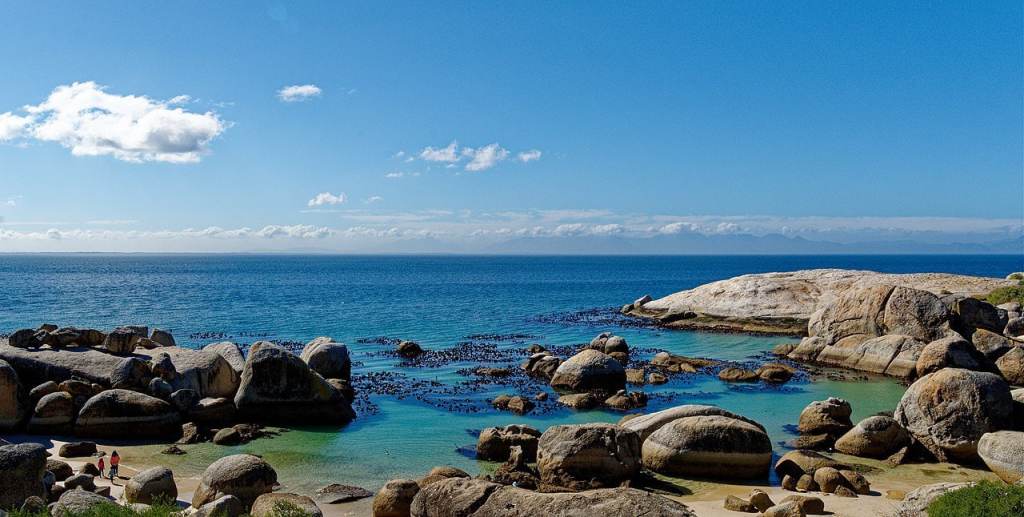
Back in March 2021, a disturbing sight came upon the shores of South Africa. There lay manta rays on the rocks, and bull sharks as well as puffer fish on the sand–all lifeless.
Typically, such fish die-offs are caused by hot water, low oxygen levels, or toxic algae blooms.
However, this time, the surprising culprit was cold water. It’s a phenomenon possibly linked to climate change, according to a recent study.
“But… cold water?” I heard you ask.
We all know that global warming has led to high ocean temperatures and marine heatwaves worldwide. When I first heard about it, I was also perplexed. I mean, isn’t it weird how global warming connects to a cold snap underwater?

But, researchers suggest that in certain regions, instances like the 2021 cold spell are becoming more common. It’s due to ocean currents shift.
Cold or warm, both pose risks to marine life–and they can be lethal.
Bruce Menge, a marine ecologist at Oregon State University who wasn’t involved in the study found the event and findings intriguing. Menge now focuses on how currents shape coastal ecosystems.
In addition, the fish mortality case in South Africa caught the attention of Nicolas Lubitz, a shark researcher at James Cook University.
Together with a team of ecologists and oceanographers, Lubitz investigated the incident. They also examined its connection to broader oceanic patterns.
The team focused on the Agulhas Current. It’s a fast-flowing stream of ocean water along the western edge of the Indian Ocean.
Usually, this current brings warm and subtropical water further south. However, when it meets the continental shelf, it can create swirling eddies–similar to whirlpools in a river.
These eddies can draw cold bottom water towards the coast. It happens more often when combined with easterly winds that push warmer surface water offshore.
In late February 2021, there was a clash of weather and ocean conditions off the coast of South Africa. It resulted in a rapid drop in temperature.

Therefore, a large southbound eddy, along with strong easterly winds, triggered significant upwelling. That made ocean surface temperatures plummet by over 7 degrees C in just two days.
For fish living primarily in warm waters like bull sharks, the sudden, drastic temperature drop proved fatal. And they couldn’t escape.
Lubitz stated that a temperature drop of even 9 degrees C within a day (24 hours) is already extremely deadly.
This analysis has become the evidence of marine cold spells. Ones that are large and intense enough to make a dent in the entire ecosystem.
Scientists have also warned that climate change might further affect upwelling zones where ocean currents meet continents. Such an effect may happen due to stronger winds that bring up colder water.
Researchers who had studied the Agulhas Current noticed an interesting trend. Since the 1990s, its flow has become broader and more prone to forming powerful eddies.
For closer examination, Lubitz and his team analyzed sea surface temperature and wind data spanning four decades.
They discovered that upwelling events along various points of the Agulhas Current have become more frequent and intense. Those events now last longer and reach lower temperatures.
In some areas, the number of upwelling events nearly doubled from the 1980s to the period between 2012 and 2022.

One thing to note is that it’s not actually easy to directly connect this event to climate change. The localized nature of these upwellings is the main factor for that.
However, this aligns with predictions of how climate change will impact ocean currents, in a broader sense.
The researchers say that events like this have persisted over a long enough period to suggest that natural variations alone can’t explain them.
In addition, the researchers also noticed a rise in cold upwellings along the Eastern Australian Current, although the trend was weaker.
According to Menge, the unique geography of South Africa, where the current curves around the tip of a continent, may contribute to the cold upwellings there.
But all in all, the researchers here agree that the threat posed by cold spells presents another potential risk to shark habitats. And the threat is caused by climate change.
On the other hand, temperatures in some other areas keep rising
While we have cold upwellings, scientists say that our oceans have gotten hotter compared to records that span for 150 years. Observations have also shown that ocean temperatures are warmer than approximately 100,000 years ago.
It’s not surprising to see trends like this, the scientists say, global warming caused by humans have increased ocean temperatures steadily. It has led to more events of record-breaking hot years.
For context, the previous record of record-breaking ocean temperature was firstly set in 2015, which was broken in 2016. There used to be a time when it was exceptionally cold, but it was in the early 20th century.
So why the spike if some parts of the ocean are getting colder? Well, there are other factors like El Niño.
The influence of El Niño on short-term temperature spikes is evident, even amid long-term warming trends. However, the combination of climate change and El Niño doesn’t fully explain the surge.
Other than that, there’s also the unintended consequences from existing efforts to reduce aerosol pollution from shipping fuel. With fewer reflective aerosols in the atmosphere, more solar energy can reach the surface.
There’s also an element of randomness that comes into play.

Chaotic weather systems over the ocean can decrease cloud cover, allowing more solar radiation to penetrate. On the other hand, these weather systems could weaken winds, reducing cooling evaporation.
Nonetheless, researchers have tried to understand the complexities behind this increasing ocean heat.
They do it more now because they observed the rise of temperatures in southern and northern hemispheres as well as tropical regions.
According to the scientists, 2023 and 2024 showed a significant leap above previous years in terms of temperature.
The need to understand this phenomenon
The sound of warming water in some areas and cooler water in some others don’t seem pleasant to the ears.
As we know by now, these trends and events have led to a series of major marine disasters.
Organisms in the ocean have specific temperature preferences. If temperatures spike excessively and persist, they must relocate or perish.
Marine heatwaves, for one, can be the reasons why some marine mammals, seabirds, fish, and other creatures migrate or die.
This can severely affect the ecosystems and leave some other dependent animals without food or shelter or invite more invasive, non-native species.
Such heat waves can also disrupt marine ecosystems crucial for tourism and fisheries.
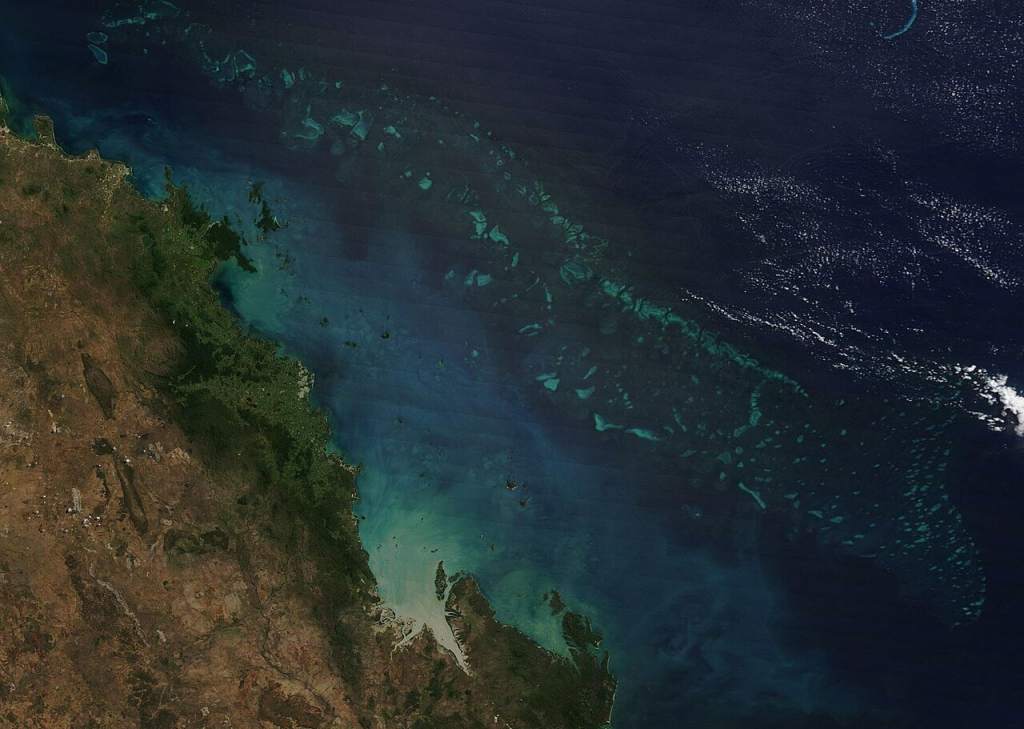
This year’s heat stress has triggered widespread coral bleaching globally, affecting reefs in the Caribbean, Florida, Egypt, and the Great Barrier Reef.
Meanwhile, in the Canary Islands, small-scale commercial fisheries have emerged for species not typically found there.
And in 2023, Peru’s anchovy fishery, the country’s largest, faced extended closures due to heat stress.
Other than trying to comprehend this situation and coming up with plans to mitigate its severity, scientists urge us to keep doing our part to keep global warming and climate change at bay.
Sources
https://www.science.org/content/article/deadly-marine-cold-spells-could-become-more-frequent-climate-change-scientists-warn
https://theconversation.com/the-heat-is-on-what-we-know-about-why-ocean-temperatures-keep-smashing-records-226115
https://www.courthousenews.com/marine-cold-killer-events-increasing-in-intensity-and-frequency/
Leave a Reply