

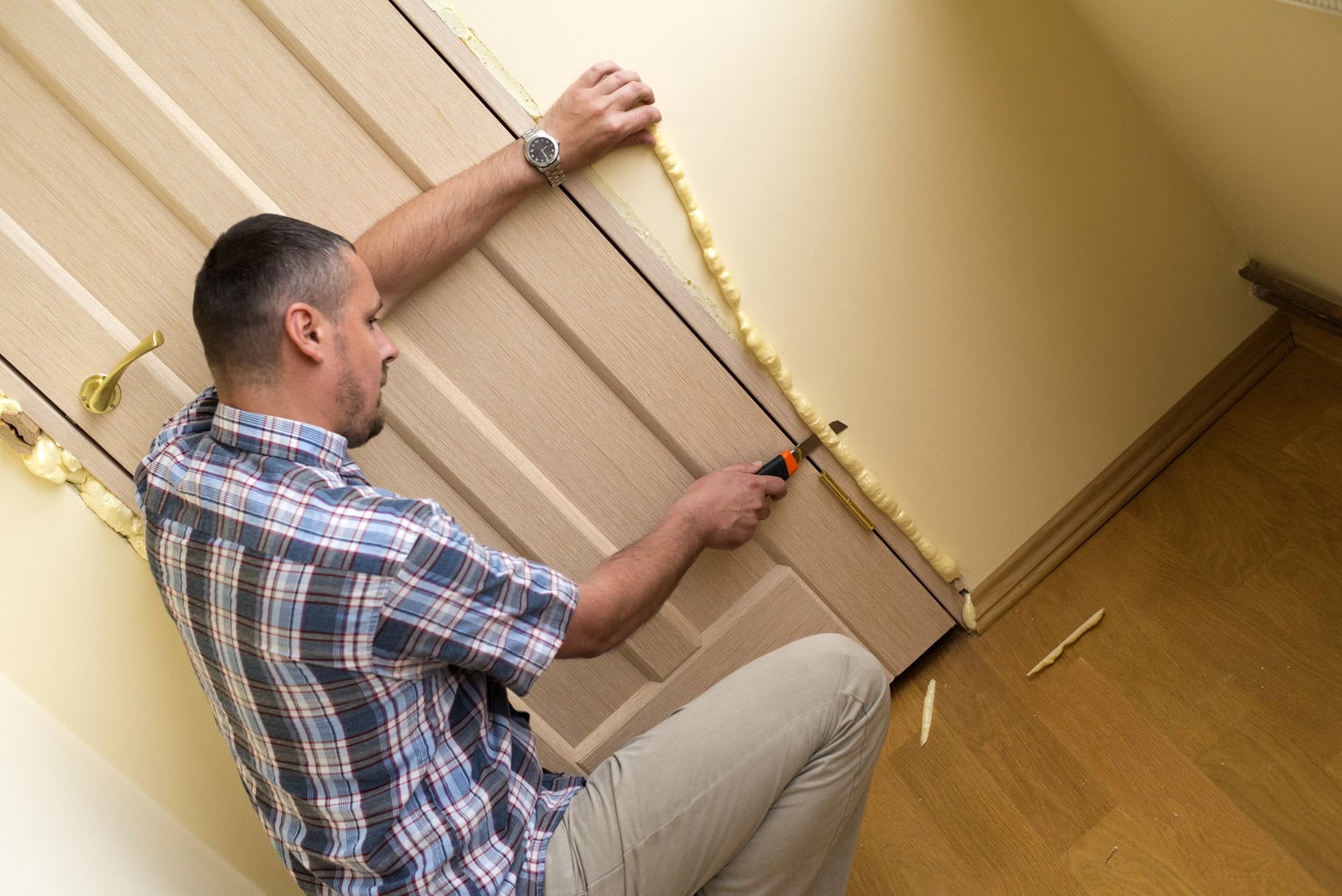
Saving energy at home or in a commercial building doesn’t always mean big upgrades – sometimes, the small details make the biggest difference.
Insulated access doors are one such detail that has a surprisingly large impact. These doors seal off areas like attics, crawl spaces, or mechanical rooms, helping keep buildings energy-efficient while lowering utility costs.
In this article, we’ll discuss how insulated access doors work, the key features to consider when choosing one, and how they contribute to maximizing energy savings.
The Role of Insulated Access Doors in Energy Efficiency
Access doors provide access to concealed areas like HVAC systems, electric panels, and plumbing. While standard doors offer basic functionality, insulated options—such as the PAL Insulated Aluminum Access Door—are specifically designed to enhance energy efficiency.
These doors are built with materials like polyurethane or mineral wool, known for their exceptional thermal resistance. They help maintain stable indoor temperatures by minimizing heat transfer, reducing the strain on heating and cooling systems, and promoting energy savings.
Key Features to Look For
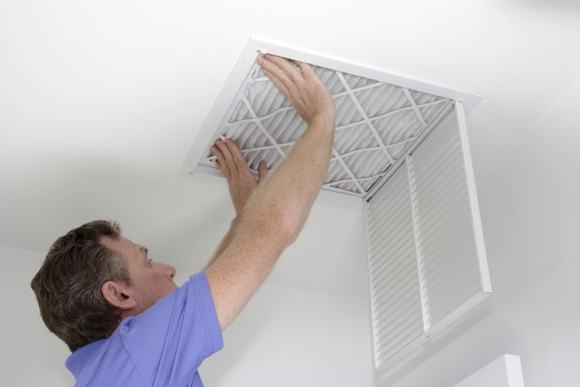
Choosing the right insulated access door is key to achieving your building’s energy efficiency goals. Here are the most important features to consider:
- Thermal Insulation Rating: Look for doors with high R-values, which indicate superior insulation performance. A higher R-value provides better heat transfer resistance, helping maintain consistent indoor temperatures and save energy.
- Weather Sealing: Poorly sealed access doors can allow air leaks, reducing efficiency. Choose doors with high-quality gaskets or seals to prevent drafts and ensure airtightness.
- Material Quality: Opt for durable materials like galvanized steel or aluminum, which offer structural integrity while supporting insulation. Corrosion-resistant materials are particularly important for long-lasting performance in challenging environments.
- Compliance With Energy Standards: Ensure the door complies with local energy codes and certifications such as LEED or ENERGY STAR. These certifications confirm that the product has been tested and approved for energy efficiency.
- Custom Sizing and Design: A perfect fit prevents thermal bridging and energy loss. Many manufacturers provide customizable options to meet specific project requirements, ensuring optimal performance.
Installation Tips for Maximum Efficiency
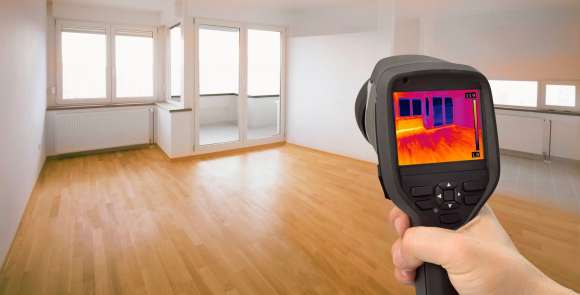
Proper installation is essential to ensure your insulated access door performs at its best. Here are key tips to maximize efficiency:
- Precise Measurement: Take accurate door opening measurements to ensure a perfect fit. A well-fitted door reduces air leaks, a common energy loss source.
- Level Installation: Install the door level to ensure smooth operation and optimal energy efficiency. Use a level to confirm the door frame is plumb and aligned before securing it to the wall.
- Seal It Tight: Apply high-quality weatherstripping around the door frame and the door itself. This creates an airtight seal, preventing heat transfer and minimizing energy waste.
- Choose the Right Insulation: Select a door with superior insulation, such as polyurethane or fiberglass. A higher R-value indicates better insulation, increasing energy savings over time.
- Regular Maintenance: Perform routine inspections to maintain your insulated access doors. Check the weatherstripping, hinges, and handles for wear or damage. Prompt repairs help prevent energy loss and extend the door’s lifespan.

How Insulated Access Doors Maximize Energy Savings
Insulated access doors are valuable for improving energy efficiency. Here’s how they work and why they’re a smart choice:
1. Preventing Heat Loss and Gain
Insulated access doors prevent heat from escaping in winter and from entering in summer. Materials like foam or mineral wool provide a protective layer that keeps indoor temperatures steady. As a result, the heating and cooling systems don’t have to work as hard, leading to energy savings and reduced costs.
2. Sealing Drafts
A high-quality insulated access door comes with weather seals or gaskets that prevent air leaks. By blocking drafts, these doors help maintain consistent temperatures and improve overall comfort.
3. Supporting HVAC Efficiency
Proper insulation is essential for access doors leading to mechanical rooms. HVAC systems perform best in stable environments, and an insulated access door helps maintain the right conditions. This reduces temperature fluctuations, ensuring HVAC equipment runs efficiently and has a longer lifespan.
4. Reducing Energy Waste in Hard-to-Reach Areas
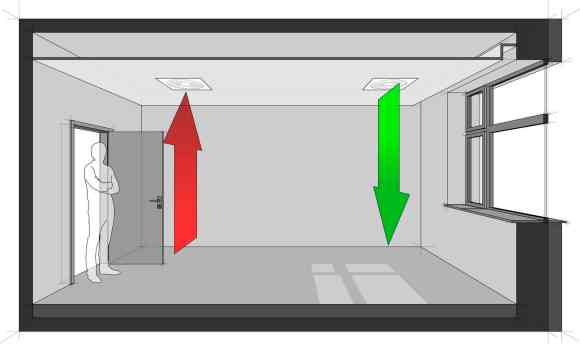
Attics, crawl spaces, and other hidden areas can be major sources of energy loss. Insulated access doors prevent this waste by sealing these spaces from temperature extremes. Over time, this can lead to noticeable savings on energy bills.
Conclusion
Insulated access doors are a small but significant element in the quest for energy savings. By choosing the right door for a building, you not only enhance efficiency but also reduce operational costs and promote sustainability. With the right combination of materials, design, and installation, these doors become integral to an energy-efficient building strategy.
FAQ
1. What is an insulated access door?
An insulated access door is a specially designed door that provides access to concealed areas like attics, crawl spaces, and mechanical rooms, while also offering thermal insulation. These doors help maintain consistent indoor temperatures, reducing energy consumption and lowering utility bills.
2. How do insulated access doors help with energy efficiency?
Insulated access doors help minimize heat transfer by using materials like polyurethane or mineral wool to reduce heat loss in winter and heat gain in summer. This decreases the workload on heating and cooling systems, improving overall energy efficiency.
3. Why is the R-value important in insulated access doors?
The R-value measures a material’s resistance to heat transfer. A higher R-value means better insulation, helping to keep your indoor temperatures consistent and reducing the need for heating or cooling. This translates into energy savings over time.
4. Can I install an insulated access door myself, or should I hire a professional?
While DIY installation is possible, professional installation is recommended for optimal performance. Proper installation, such as ensuring a level fit and airtight sealing, is crucial to prevent energy loss. A professional can also ensure the door is correctly aligned and weatherstripped.
Leave a Reply