


If we are talking about polar bears, what would come first to your minds? A picture of a huge and dangerous monster covered in white, or a majestic beautiful creature living in the middle of melting ice up the north?
In nowadays condition, the latter sounds more realistic and ideal because those that we once see as a monster is now living in a poor condition. The home they are living in, the sea of ice, is melting slowly and we almost cannot revert it back.
But thanks to modern technology and innovations, we are starting to see some sheds of light. This is an upgrade to our previous efforts to save polar bear, and hope it will be the beginning of betterment for all other organisms on this planet.
Here in this article, we are going to talk about this.
Technology for Polar Bears

In the Arctic, where polar bears and humans share space, there’s a creative push to develop cutting-edge technologies that act as a safeguard for both species. Among these innovations is the AI-powered “Bear-dar” radar system, designed to serve as an early-warning mechanism.
This technology utilizes artificial intelligence to detect polar bear movements, providing communities with essential alerts to avoid unexpected encounters. Additionally, satellite-tracking devices, playfully named “Burr on fur,” are being deployed. These devices offer a means to monitor the bears’ movements, helping researchers and communities stay informed about their locations and activities.
Moreover, a range of deterrents is being explored to discourage polar bears from approaching human settlements. These include a combination of sounds, strobe lights, scents, and even electrified door mats.
The aim is to create an environment where polar bears perceive potential risks, deterring them from venturing too close to inhabited areas. This innovative approach recognizes the need for non-lethal methods to foster coexistence, acknowledging the importance of both human safety and the preservation of polar bear populations.
These technologies represent a significant leap in addressing the challenges posed by the increasing proximity of polar bears to human communities. By combining artificial intelligence, satellite tracking, and deterrent systems, researchers and communities are actively striving to create a harmonious and safe environment for both polar bears and humans in the rapidly changing Arctic landscape.
Impact of Climate Change
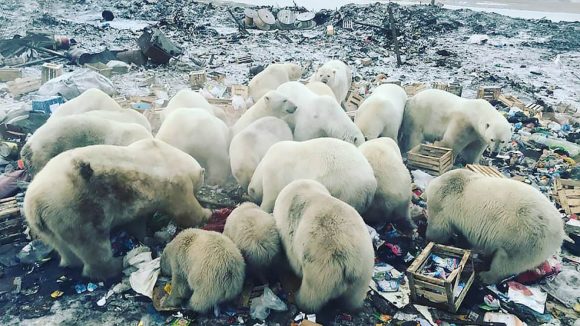
The impact of the climate crisis on polar bear behavior is a crucial aspect shaping the development of coexistence strategies with humans in the Arctic. As the Arctic climate undergoes significant changes, polar bears are facing unprecedented challenges due to the loss of their sea ice habitat.
The reduction in sea ice forces polar bears to roam closer to human-inhabited areas in search of food and suitable conditions for survival. The urgency for new coexistence strategies arises from the direct correlation between climate change and the altered behavior of polar bears.
The warming climate contributes to the melting of Arctic ice, affecting the bears’ natural habitat and pushing them into new territories. This environmental shift increases the likelihood of encounters between polar bears and human communities, necessitating adaptive measures to mitigate potential conflicts.
The need for swift action is underlined by the accelerating pace of climate change. As the Arctic undergoes rapid transformations, the traditional dynamics between polar bears and humans are disrupted.
Therefore, implementing effective coexistence strategies becomes paramount to ensuring the safety of both polar bears and humans in this evolving environmental context. The urgency reflects the reality that without prompt and targeted efforts, the delicate balance between these two species could be further jeopardized by the ongoing climate crisis.
The Rare Attack of Polar Bears

Despite the increasing proximity of polar bears to human settlements in the Arctic, instances of attacks resulting in death are remarkably rare. Understanding this rarity is crucial in shaping coexistence strategies that prioritize non-lethal methods.
Polar bears, by nature, are not inclined to see humans as prey, and fatal interactions are often a result of specific circumstances rather than predatory behavior. This rarity of lethal encounters emphasizes the importance of developing strategies that deter polar bears from approaching without resorting to lethal measures.
It underscores the idea that polar bears can coexist with human communities without posing a significant threat to human safety. By recognizing the infrequency of lethal incidents, the focus shifts towards creating environments that discourage bears from entering populated areas and promoting peaceful cohabitation.
Efforts to understand the factors contributing to rare attacks can inform the design of effective deterrents and education programs for both residents and visitors in polar bear habitats.
Emphasizing the uncommon nature of fatal encounters underscores the potential for successful coexistence, fostering a mindset that seeks to minimize conflicts and enhance the safety of both polar bears and humans in shared Arctic spaces.
They Need Us

The rapidly changing Arctic landscape, driven by the climate crisis, necessitates urgent development and testing of coexistence strategies between polar bears and humans. The warming temperatures in the Arctic lead to the shrinking of sea ice.
It pushes polar bears to venture closer to human-inhabited areas in search of food and suitable conditions. This changing dynamic requires swift action to address the challenges posed by the increasing proximity of polar bears to communities.
The urgency for coexistence strategies arises from the accelerated pace of environmental changes, which outpace the ability of both polar bears and human communities to adapt. As the traditional habitats of polar bears undergo profound alterations, there is a pressing need to implement measures that ensure the safety of both species.
The urgency is underscored by the potential for increased conflicts between polar bears and humans as they navigate these changing landscapes. Furthermore, the urgency is not only about addressing immediate challenges but also about preparing for the future.
By developing and testing coexistence strategies promptly, there is a greater likelihood of mitigating conflicts and fostering a harmonious relationship between polar bears and humans in the face of ongoing climate change.
The speed of action becomes a critical factor in adapting to the evolving conditions in the Arctic and securing the well-being of both polar bears and human communities.
Sources:
Leave a Reply